
400 Years of United States Content
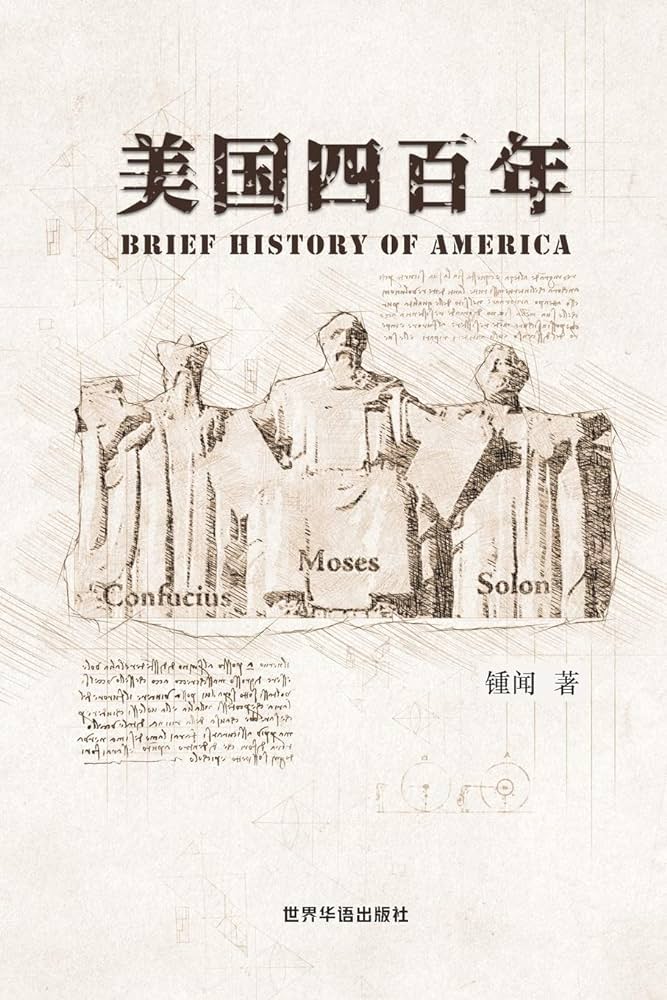
The Foundations of the United States
It Is Not Easy to Be President of the United States 1790—
From George Washington, the first U.S. president in 1790, to Donald Trump, the 45th president, the United States has gone through 228 years, with an average presidential term of 5.1 years. The U.S. presidential term is four years. Since Washington, the convention was that a president could be re-elected once, serving a maximum of eight years. This convention was broken by Franklin D. Roosevelt, who was elected four times and died during his fourth term, serving from 1933 to 1945, a total of 12 years and 3 months. In 1951, the U.S. Congress passed legislation clearly stipulating that a president may be elected only once for re-election, meaning a maximum of eight years. Thus, what had been a convention became law, with no exceptions.
Among the 39 deceased presidents, the average lifespan was 66.6 years. The longest-lived was George H. W. Bush, who lived to 94 years and 5 months.
The shortest lifespan was that of President John F. Kennedy, who was assassinated and lived only to the age of 46.
The shortest time in office was served by the 9th president, William Henry Harrison. He contracted pneumonia and died in the White House just one month after taking office, at the age of 68.
U.S. presidents who died of illness while in office, in addition to Harrison, include President Tyler (66), President Harding (58), and President Franklin D. Roosevelt (63).
U.S. presidents assassinated while in office include President Lincoln (56), President Garfield (50), President Arthur (57), President McKinley (58), and President Kennedy (46).
Presidents wounded in assassination attempts while in office include Theodore Roosevelt and Ronald Reagan.
Presidents who survived assassination attempts while in office include Andrew Jackson, Harry Truman, and Gerald Ford. The assassins were sentenced to death or life imprisonment.
Among all presidential assassination cases, the only one verified to have been politically motivated and organized was the assassination of President Lincoln, in which three conspirators were identified, motivated by hatred of Lincoln for defeating the South. All other cases were individual actions—some by anarchists, some by the mentally ill, and some possibly driven by personal motives. No organized conspiratorial background has been confirmed in those cases.
After leaving office, U.S. presidents generally do not hold public office again. Most devote themselves to public service, philanthropy, or writing. The only exception was President John Quincy Adams, who, after leaving the presidency, ran for Congress and was repeatedly re-elected until he collapsed from a cerebral hemorrhage and died at his seat in Congress at the age of 80.
The president who died soonest after leaving office was the 11th president, James K. Polk. He died of illness just three months after retirement, at the age of 54. He is generally regarded as the most diligent and efficient president, working 15 hours a day. His term coincided with the Mexican–American War, and the excessive workload severely damaged his health. His achievements were significant: about one-third of the current territory of the United States was expanded and incorporated during his presidency.
The 27th president, William Howard Taft, served as Chief Justice of the Supreme Court for nine years after leaving the presidency. He is the only person to have served both as president and as chief justice. He is generally considered to have made greater contributions as chief justice than as president. He died just over a month after stepping down from the Court, at the age of 73.
The 15th president, James Buchanan, was the only president who never married. His first love died when he was young, and his grief lingered for many years. He never married and died at the age of 77.
In recent decades, being president has become relatively easier. After leaving office, former presidents receive an annual pension of $400,000 and are provided with personal security, secretaries, and various support staff, totaling more than a dozen personnel, for life. These benefits were established only after 1960. In the early years, presidential salaries were low, there was no personal or family service upon entering the White House, and presidents had to bring their own household servants. After leaving office, there was no pension, and former presidents lived like ordinary citizens, often in debt. At present, four former U.S. presidents are still alive: Carter (94), Clinton (72), George W. Bush (72), and Obama (57).
 正义钟声 Voice of Justice