
Roosevelt: The Mastermind Behind Eight Decades of Communist Disaster
Chapter 18
A Great Tragedy Since World War II
III. The Weight of Totalitarianism Has Increased
Entering the 21st century, during the first decade, these “variants of capitalism” appeared to continue rising on the surface, but the 2008 financial crisis weakened everyone’s belief in the market’s ability to solve problems and also damaged people’s confidence in the political class and democracy itself. In comparison, the claims of China, Russia, or certain Western populisms appeared quite attractive and were considered by many to possibly represent the future.
This is very similar to the international situation on the eve of World War II — the weight of totalitarianism increased.
The financial crisis brought many changes to the world. Governments of various countries used quantitative easing, money spraying for relief, and zero interest rates to reduce the damage caused by the crisis, but at a high cost, especially inflation and a widespread increase in wealth inequality, which laid the groundwork for populism, extremist ideologies, and social unrest.
Political and historical scholars see this Ukraine war as a war between democratic regimes and authoritarian regimes, a war between two opposing ideas, involving the maintenance of international relations norms.
Oxford scholar Timothy Garton Ash said these two worldviews can be expressed in two words — Helsinki and Yalta.
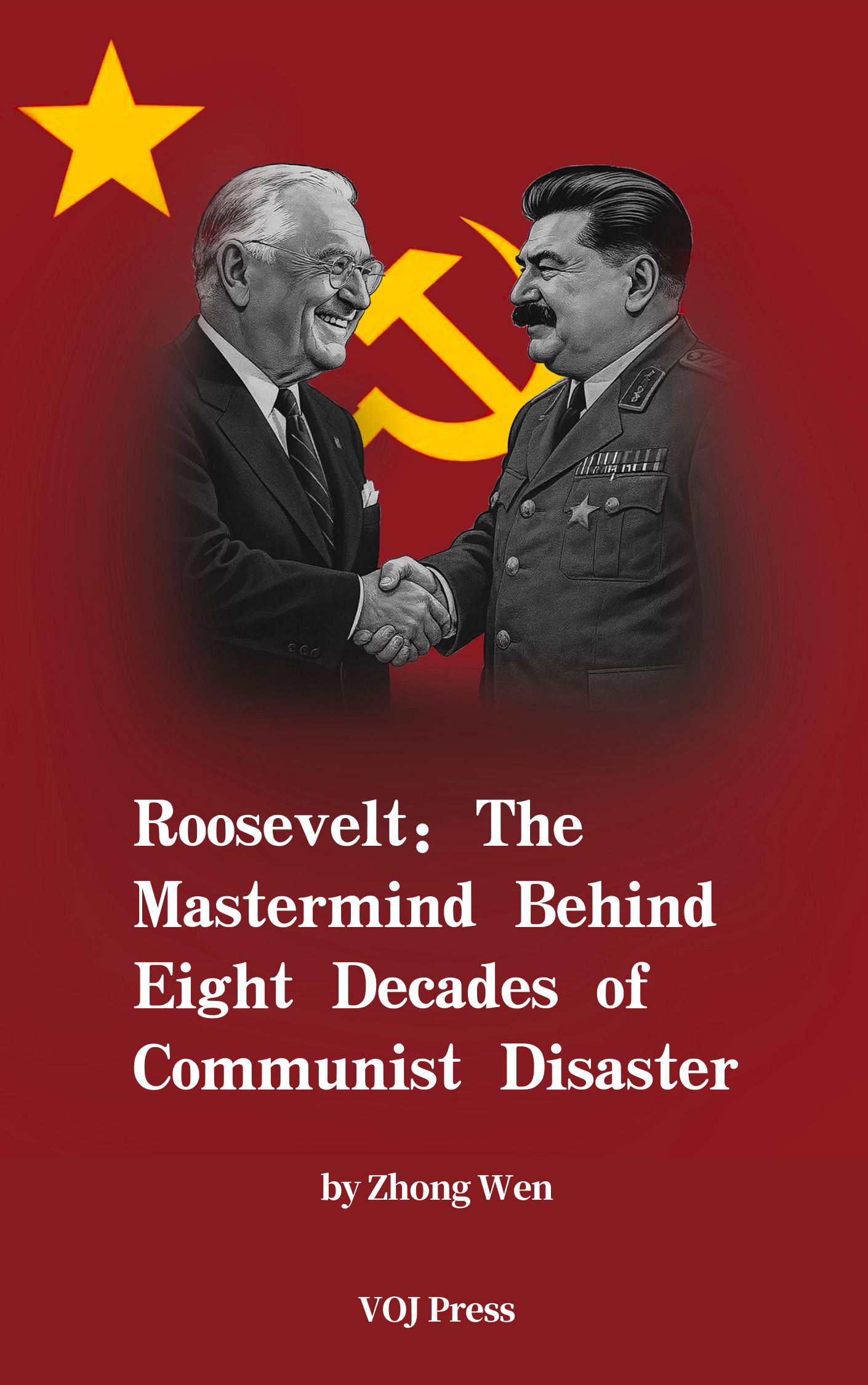
In 1945 at Yalta, Stalin, Roosevelt, and Churchill divided postwar Europe into “spheres of influence” — most of Eastern Europe belonged to the Soviet Union, the West belonged to the transatlantic alliance, which would undertake rebuilding Europe’s democratic regimes.
Helsinki, on the other hand, describes a Europe composed of independent sovereign states, each free to choose its own alliances. It originated from the 1975 Helsinki Final Act and gradually evolved into the Organization for Security and Co-operation in Europe (OSCE).
Ukraine’s defenders are fighting for “Helsinki.” Putin has sent troops to forcibly implement a modern version of “Yalta” — this will strangle Ukraine’s independence and place it under Russian rule.
Therefore, Russia’s invasion of Ukraine is also viewed by political economists as a proxy war between authoritarian capitalism and liberal capitalism.
BBC senior reporter Allan Little analyzed that Russia’s invasion of Ukraine was mainly caused by NATO’s eastward expansion and a longstanding sense of insecurity (being on a flat plain with no natural security barriers), but Western sanctions led by the US and Europe effectively divided the world, “equivalent to erecting a new economic Iron Curtain separating Russia from the West.” He pointed out that Russia is highly integrated into the global economy, the world depends on its oil and gas, and its industries rely on imported products and components. Excluding Russia from the wealthy world and the global economic and trade circle severely damages Russia and its people, and the world suffers too. Little said, “We will all be affected. This may lead to a rollback of the globalized economy that appeared after the Cold War.”
To a large extent, the direction of the situation depends on how China responds to this new world order. China and Russia are cozying up due to their opposition to US power, and Beijing and Moscow firmly believe the greatest threat comes from a revitalized, more unified democratic world.
China does not want to see Putin weakened or the West consolidated. However, this is exactly the impact produced by the Ukraine war.
Mainland China, Gulf countries, as well as emerging economies like India and South America, represent the “capitalist variants” Palan described. Putin’s war may redraw the international financial map.
Oxford scholar Ash believes that in the ideological struggle between “Helsinki” and “Yalta”, the West has been too ambivalent in defending Helsinki values — it formally recognizes Ukraine’s right to join NATO at some future date but never intended to realize this goal. Putin also has his oversights and carelessness. Palan thinks Russia’s invasion of Ukraine can also be seen as a “proxy war for the future of capitalism”.
He asserted: “Unless and until the West truly reconstructs capitalism, for example designing a New Deal version for the 2020s, similar proxy wars may continue erupting on new battlefields.”
These two worldviews can be summed up in two words — Helsinki and Yalta. In 1945 at Yalta, Stalin, Roosevelt, and Churchill divided postwar Europe into “spheres of influence” — most of Eastern Europe belonged to the Soviet Union, the West belonged to the transatlantic alliance, which would rebuild Europe’s democratic regimes. Helsinki describes a Europe of independent sovereign states, each free to choose alliances. It originated in the 1975 Helsinki Final Act and evolved into the OSCE. Ukraine’s defenders are fighting for “Helsinki”. Putin has deployed troops to enforce a modern “Yalta” — which will strangle Ukraine’s independence and place it under Russian rule.
This conclusion has sent the three villains who initiated “Yalta” — Roosevelt, Churchill, and Stalin — to the historical judgment seat!
Zhong Wen remarked: Judging from this, the entire World War II victory was “a great tragedy”! As Hoover’s classic quote goes: “Allying with Stalin is a bedfellow.” Roosevelt and Stalin went to bed together, of course it was a great victory for Stalin, the rapist. Roosevelt’s constant backing of Stalin was a godsend, a treasure eagerly sought. This perverse relationship between these two men has not been recognized by Americans, nor by most Chinese. But “stalin was a murderer,” Hoover warned early on. It shows that America’s bad deeds started when Roosevelt became president!
Not only was World War II victory “a great tragedy,” since that victory an even greater tragedy has unfolded — hundreds of millions of Chinese people died and withered because of it! The American people have also been harmed and will continue to be harmed — this fact remains unrecognized by Americans and mostly unrecognized by Chinese.
 正义钟声 Voice of Justice