
Roosevelt: The Mastermind Behind Eight Decades of Communist Disaster
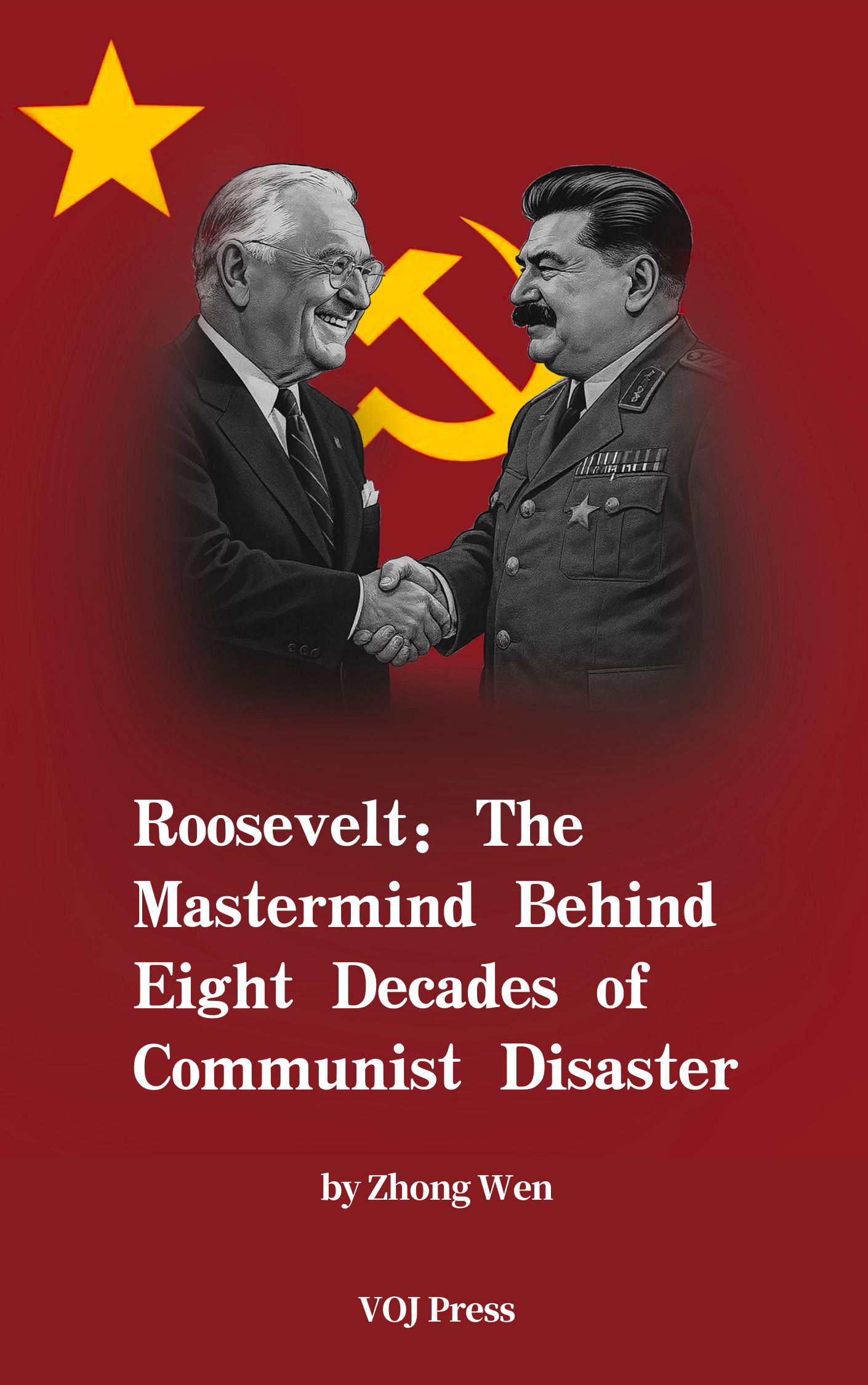
Chapter 05
Roosevelt’s Alliance with the Soviet Union
IV. The Soviet Union never intended to peacefully coexist with the West — it sought to destroy it from within.
Early on, it welcomed foreign investors through “concession enterprises” under the NEP, but this was merely bait. By 1930, it abruptly abolished the concession system, pretending it was “buying back” foreign assets — but in reality, it was a textbook example of betraying foreign capital after draining it dry.
During the Great Depression, the USSR shifted from attracting direct investment to borrowing money and purchasing foreign technology. Later, Communist China drew lessons from this: loans incur interest and repayment pressure; buying technology is inefficient; the smarter move is to start joint ventures and steal during operation.
The Soviet regime thought it was being clever, but in the end, it paid the price. Its short-termism and hostility toward real cooperation led to strategic isolation, just as Western nations were entering a new era of cross-border investment and technological integration.
The USSR’s paranoia and betrayal — hallmarks of totalitarian regimes — ultimately backfired.
The USSR’s reckless dumping of “bread made from blood” on the world market caused prices of primary goods to crash — yet instead of stopping, the Soviet regime doubled down and expanded exports even more.
Stalin believed a second world war was already brewing, and demanded that the Communist Party force the people to complete industrialization within 10 to 15 years, no matter how harsh life became. To fund this breakneck development, the regime sold off agricultural products and raw materials abroad to obtain foreign currency for importing industrial equipment. But with global markets in freefall, commodity prices were at historic lows. As a result, the USSR suffered devastating financial losses, while millions died from hunger and forced labor.
Worst of all, domestic food production had collapsed, just as Soviet cities were swelling with new factory workers. Stalin’s brutal calculus: let the countryside starve to feed the machines.
During Stalin’s collectivization campaign, the USSR suffered severe shortages of grain, meat, and milk. The food crisis became so dire that rationing was introduced. Living standards failed to improve — many regions saw real declines — and in Ukraine, it led to the infamous man-made famine.
After gaining independence in the 1990s, Ukraine’s parliament passed a resolution condemning the Soviet regime under Stalin for committing crimes against humanity.
And yet, none of this would have been possible without the enthusiastic support and full cooperation of the Roosevelt administration. It was this Western backing that helped Stalin’s murderous policies take root and wreak devastation.
Thanks in large part to the active support and cooperation of the Roosevelt administration, the Soviet Union emerged as an unlikely beneficiary of the Great Depression.
By the end of the First Five-Year Plan in 1932, the USSR’s industrial output had surged, moving it from the fifth to the second-largest industrial producer in the world. This dramatic rise was due not only to increased Soviet production, but also to the sharp decline in output across Western economies during the Depression.
Between 1928 and 1933, industrial production fell by 44% in the United States, 45% in Germany, 25% in France, and 20% in the United Kingdom.
Looking at a key indicator of industrial strength — steel production — the Soviet Union saw significant growth: Pig iron output rose from 3.3 million tons in 1928 to 6.2 million tons in 1932; Crude steel production increased from 4.3 million tons to 5.9 million tons; Rolled steel output grew from 3.4 million tons to 4.4 million tons; The machine-building sector also advanced significantly, placing the USSR second globally in that category as well.
While the Soviet Union’s blood-soaked economy charged forward, the vampire ideology of communism and the man-eating machinery of socialism gained global influence.
As free economies in the West collapsed, the USSR’s brutal “achievements in slavery” made vampires around the world green with envy. Socialism was no longer dismissed as the dream of naïve utopians — it was starting to look like the future of industrialized enslavement.
American journalist Lincoln Steffens, upon returning from Stalin’s Soviet Union, declared his infamous approval: “I have seen the future, and it works.” But what did that “working future” mean? In a time when the West suffered from mass unemployment, the USSR ‘solved” the problem — by sending millions to their deaths.
 正义钟声 Voice of Justice