
A Concise Reinterpretation of Modern Chinese History · Qing Dynasty
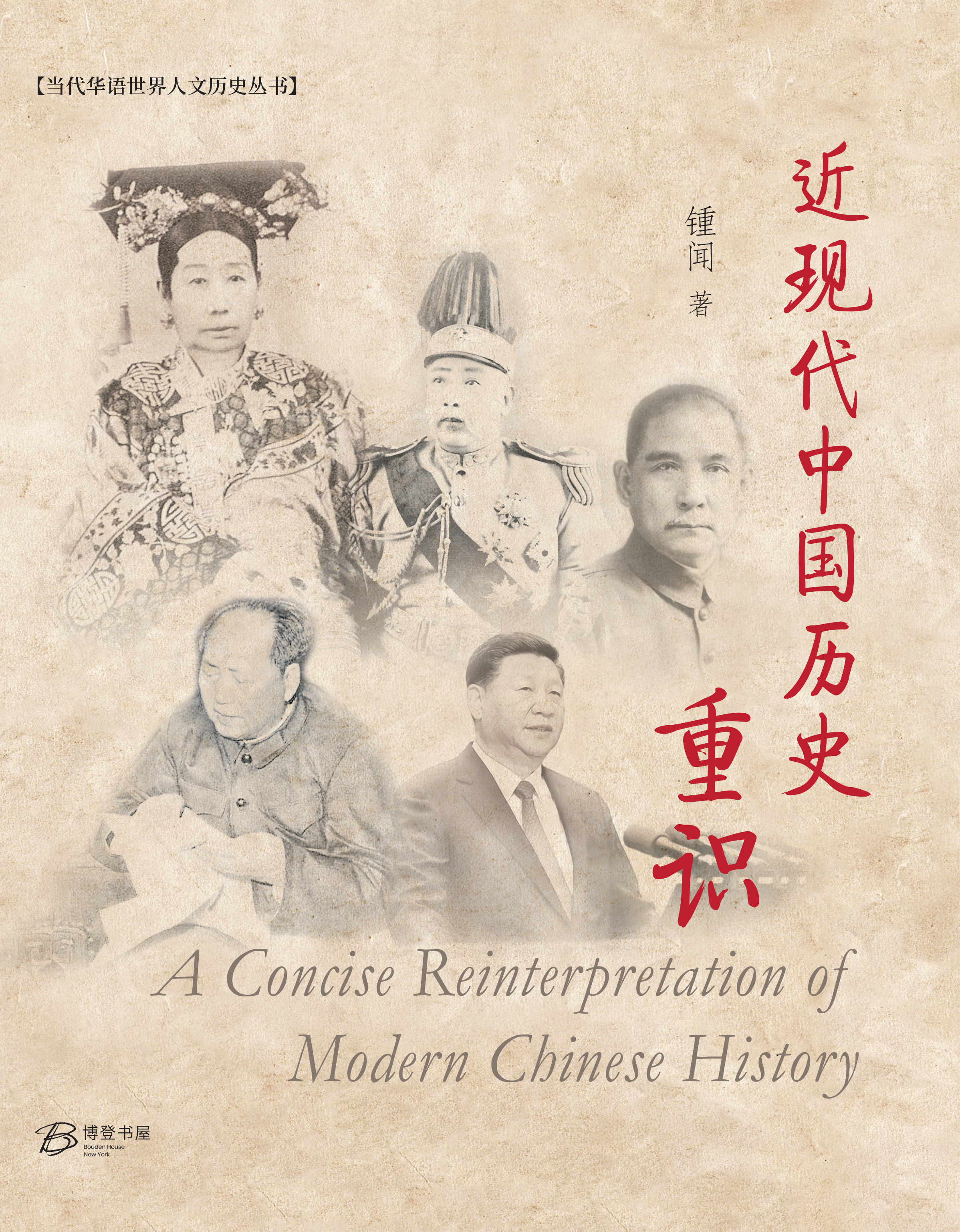
Chapter 09: Reassessing Kang Youwei — Plotting to Mobilize Troops and Place Empress Dowager Cixi Under House Arrest, Thereby Ruining the Guangxu Emperor
I. The Reform Was Led by Cixi and Guangxu; Kang Youwei Participated Only Midway
Textbooks of both the Nationalist Party and the Communist Party state that Kang Youwei (1858–1927) carried out the Hundred Days’ Reform together with the Guangxu Emperor, that Empress Dowager Cixi opposed it, and that as a result the reform failed, Guangxu was placed under house arrest, Kang fled abroad, and the Six Gentlemen were executed. The historical reality, however, is that at the beginning of the reform Kang Youwei did not participate at all. The Guangxu Emperor and his imperial tutors drafted the reform document Edict on Clearly Determining State Policy (Mingding Guoshi Zhao), submitted it to Empress Dowager Cixi, and on June 11, 1898, Cixi approved and promulgated it—thus marking the start of the reform. This shows that the real patron behind the reform was Cixi. Both the Nationalists and the Communists avoid mentioning Cixi, because acknowledging that she led the reform would amount to beautifying the Qing court. If even Cixi—long portrayed as stubbornly conservative—was pursuing reform, then what justification would remain for revolution? The two parties would find it difficult to make their narratives internally consistent.
II. Kang Youwei Wanted to Establish a Bureau of Institutions: “Kill a Few Senior Officials and the Law Will Change”
On June 16, 1898, the Guangxu Emperor summoned Kang Youwei for the only audience he ever granted him—and this occurred after the reform had already begun. In fact, Kang at the time was only a sixth-rank official and was not qualified to receive an imperial audience, being several ranks too low. It was only through collusion with certain officials that he obtained this exceptional meeting. Kang spoke at length to Guangxu about reform ideas and presented his own reform writings. Guangxu read them and showed them to Cixi as well; neither raised objections. The real issue was not Kang’s reform ideas, but his desire to seize power. He proposed establishing a Bureau of Institutions and a Bureau of New Policies, staffing them with his own followers and sidelining the Grand Council. Kang Youwei once told Ronglu: “Kill a few first-rank officials, and the law will be changed.”
III. Kang Youwei Attempted to Mobilize Troops to Place Cixi Under House Arrest
Cixi saw through Kang Youwei’s attempt to seize power and the unrest he caused at court. By late July, his proposals for a Bureau of Institutions and related bodies were rejected, and Cixi ordered him to go to Shanghai to run a newspaper. Kang did not go to Shanghai but continued his activities in Beijing. He instructed his associates to have Yuan Shikai mobilize troops to surround the Summer Palace in an attempt to place Cixi under house arrest. Yuan Shikai reported this plot. Kang Youwei fled abroad in haste. His midstream intervention disrupted the original course of reform. After handling the Kang Youwei affair, Cixi allowed the reform to continue, issuing an imperial edict stating: “All self-strengthening and new policies already in effect should be vigorously implemented; those not yet undertaken should be gradually promoted. One must not abandon the whole enterprise for fear of choking.” Only the reform of the civil service examination system was suspended.
IV. Kang Youwei Flees Abroad, Later Returns to Beijing to Join Zhang Xun’s Restoration
In 1899, Kang Youwei fled to Canada, where he organized the Protect-the-Emperor Society. In 1907, he went to Mexico and renamed it the Imperial Constitutional Association. After the Xinhai Revolution, he returned to Shanghai in 1913. In 1917, during Zhang Xun’s attempted restoration, Kang sought to revive his political career, secretly entered Beijing, and joined Zhang Xun in enthroning the abdicated emperor Puyi (the Xuantong Emperor). After the failure of the restoration, he returned to Shanghai. Kang Youwei died in Qingdao in 1927 at the age of sixty-nine.
V. Kang Youwei Caused Cixi to Poison the Guangxu Emperor
Kang Youwei not only contributed nothing to the reform, but also caused the Guangxu Emperor to be placed under house arrest, thereby harming Guangxu. From then on, Cixi no longer trusted the emperor. When Cixi died in 1908, she simultaneously poisoned Guangxu, causing the Qing court to suddenly lose its two main pillars. Once the Xinhai Revolution broke out, the Qing dynasty collapsed.
VI. Kang Youwei: Merits in the First Half of His Life, Faults in the Second Half
In the first half of his life, Kang Youwei wrote books, founded schools, trained students such as Liang Qichao, and promoted reform through gradual change—achievements that deserve recognition. In the second half of his life, however, he committed serious faults: he disrupted the Hundred Days’ Reform and harmed the Guangxu Emperor.
During his exile abroad, Kang Youwei completed The Book of Great Unity (Datong Shu) in India in 1902; it was not published until 1935, after his death. Although The Book of Great Unity belongs to the category of utopian socialism, its starting point is humanitarianism, advocating natural human rights, freedom, equality, and fraternity, and opposing class struggle and violent revolution. At the very least, The Book of Great Unity reflects humanity’s good aspirations. Even if unrealistic, it is harmless—vastly different from Mao Zedong’s advocacy of class struggle and violent rebellion, which harmed the common people, the two being worlds apart.
 正义钟声 Voice of Justice