
The COLLAPSE OF THE AMERICAN DREAM
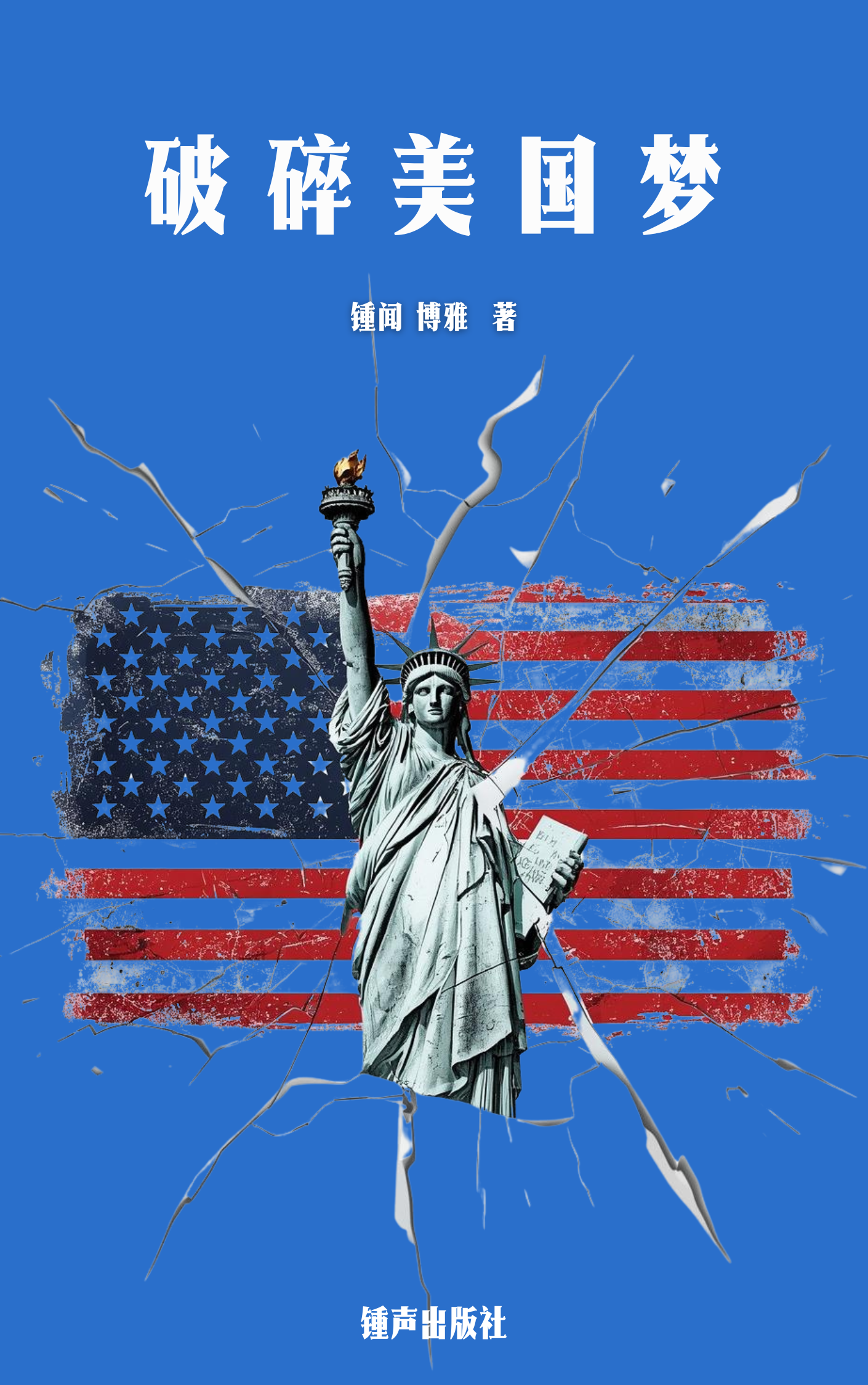
Volume II: Diagnosis of Failure and the End of the Dream
Part VII: Cultural Civil War: America’s Battle for Its Soul
Chapter 120: Finale: America’s Next Chapter: Dissolution or Rebirth? — The Final Judgment After Structural Collapse
This chapter will serve as the ultimate final judgment of this book, synthesizing the analyses of all preceding chapters (from institutional failure, loss of faith, to economic collapse, and cultural civil war) to present the most realistic outlook on the ultimate fate facing America after the dream has shattered. We will no longer propose solutions but will offer a calm assessment of the two most likely outcomes—dissolution and rebirth—and summarize the ultimate variables that will determine the future trajectory of the American federation.
First Thesis: The Path of Dissolution: Irreversible Structural Inertia
I. The Structural Foundations of the Logic of Dissolution
The analysis in this book shows that dissolution is the easiest, most natural trajectory for American society to slide into structurally:
Zero-Sum Politics: The two ideological engines (right and left) have locked political struggle into a zero-sum war for survival (Chapter 111). This ideological inertia is difficult to break.
Institutional Paralysis: The executive, legislative, and judicial systems of the federal government have all fallen into gridlock and politicization (Chapters 39 and 15), rendering them incapable of effectively intervening in national problems.
Geographic Fragmentation: Red states and blue states have already formed de facto “two nations” in law, policy, economy, and culture (Chapter 114). Federalism instead provides a structural framework for peaceful separation or ongoing interstate confrontation.
Information Fragmentation: The existence of parallel universes (Chapter 113) makes it impossible for citizens to reach consensus on unified action.
II. The Expected Form of Dissolution: Slow Dissolution
Dissolution is unlikely to occur in the form of a traditional civil war, but rather as a slow, institutional decay:
Continuing Erosion of Central Authority: The authority and legitimacy of the federal government are continuously challenged by state governments and local paramilitary organizations.
Economic and Demographic Fragmentation: Ideological migration intensifies, with economic and resource chains being redirected within red and blue blocs.
Normalization of Institutional Violence: Conflicts between states, and between state governments and the federal government, over legal jurisdiction, elections, and border control become normal, accompanied by low-intensity political violence (Chapter 112).
Second Thesis: The Path of Rebirth: Painful Self-Repair and Reckoning
III. The Necessary Conditions for Rebirth: Collective Pain and Awakening
Rebirth is the only path that can free America from the temptation of authoritarianism (Chapter 115), but it requires collective, painful sacrifice:
Acceptance of Shared Truth: Citizens must actively choose to leave their comfortable echo chambers and accept a common factual ground (Chapter 116)—the most difficult cognitive reckoning.
Elite Repentance and Sacrifice: Economic and political elites must abandon zero-sum greed and proactively engage in redistribution of wealth and power to rebuild the social contract (Chapter 117).
Ultimate Institutional Reform: Implement depolarizing institutional designs such as ranked-choice voting, term limits, and breaking the filibuster (Chapter 118) to incentivize compromise and rational governance.
IV. The Potential Drivers of Rebirth: Local Resilience and External Pressure
Local Resilience: Even when the federal government is paralyzed, many local communities retain resilience. The rebuilding of trust must begin locally, from neighborhoods, transcending abstract ideological labels.
Catalytic External Threats: Sustained challenges from global competitors (such as China) may force American leadership and citizens to recognize the ultimate necessity of internal unity, shifting ideological struggle toward the shared goal of national survival.
Third Thesis: The Ultimate Judgment: A Balance of Probability and Hope
V. The Probability of Dissolution: The Triumph of Structural Determinism
Based on this book’s analysis of the three major structural collapses—economic, institutional, and cultural—the American system has reached a critical threshold. The current strength of institutional inertia and ideological lock-in makes the probability of dissolution (or slow decay) far higher than that of large-scale, rapid, successful rebirth.
Judgment: The American Dream has shattered, and the nation has entered a long-term, structural era of “destabilization.” Dissolution is the natural tendency of the institutional structure.
VI. The Spark of Hope: The Ultimate Variable — The Choice of Citizens
However, structural determinism is not the end of history. The ultimate variable always lies in the choices of citizens themselves:
Choice One: Let Anger Prevail. Continue to immerse in the zero-sum war for survival and political violence, ultimately leading to authoritarianism or fragmentation.
Choice Two: Let Reason Return. Bear the difficult responsibility of rebuilding a common compact, even at the cost of great sacrifice and short-term pain.
The Ultimate Hope: America’s next chapter will not be written by politicians in Washington, but collectively decided by hundreds of millions of American citizens through their daily choices—in localities, education, media, and at the ballot box. Rebirth is not a guaranteed outcome, but a choice that must be painfully pursued against structural inertia.
Epilogue: Where Fragmentation Occurs, There Also Lies the Starting Point of Rebirth
The fragmentation of the American Dream reveals a harsh truth: America has never truly fulfilled its promises to all its people.
When the old, false dream dies, the possibility of a repentant, reborn “America” is born. This requires the American people to no longer seek refuge in the myths of the past, but to bravely rebuild the spring of the future from the wreckage of winter.
 正义钟声 Voice of Justice