
The COLLAPSE OF THE AMERICAN DREAM
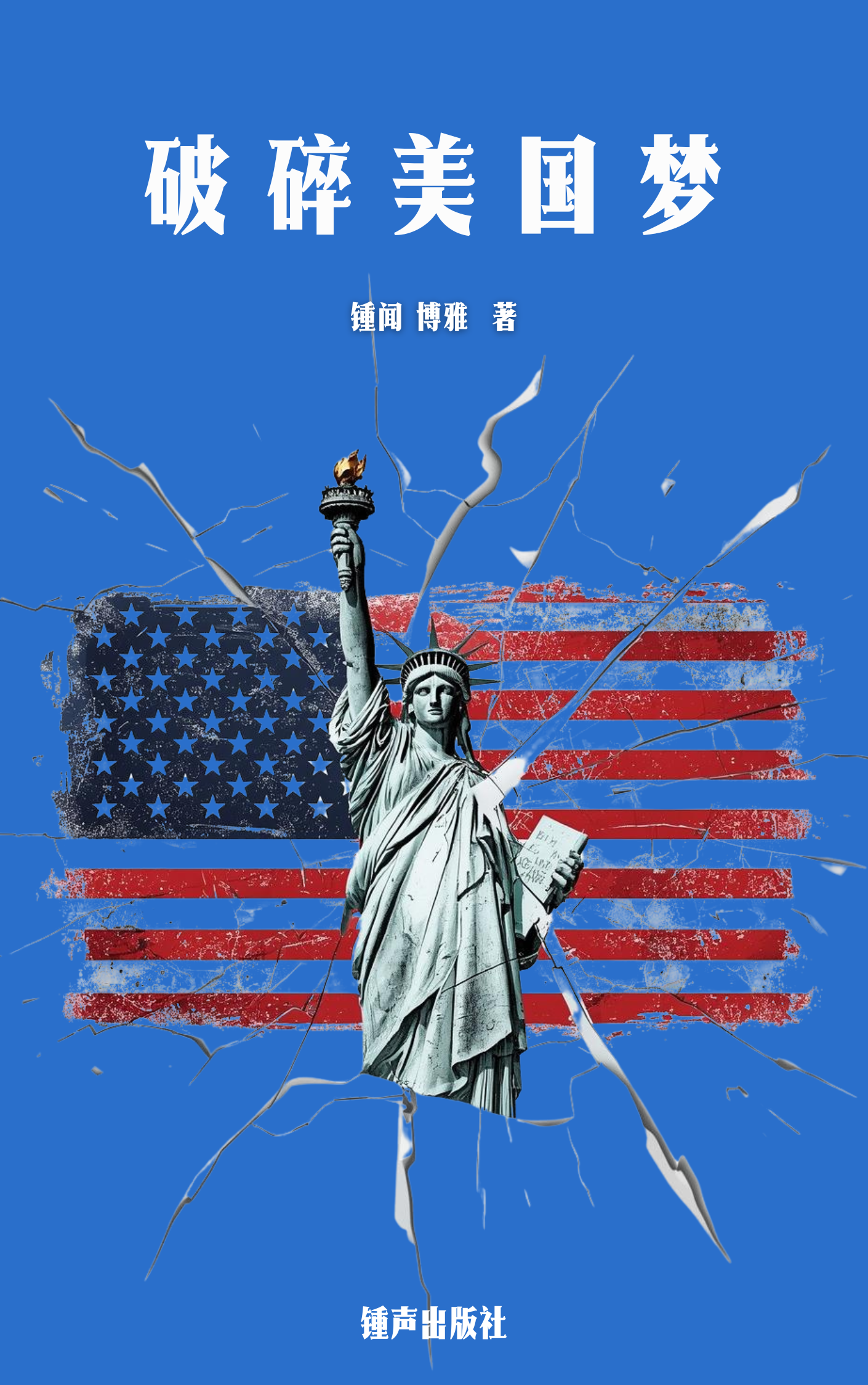
Volume II: Diagnosis of Failure and the End of the Dream
Part VII: Cultural Civil War: America’s Battle for Its Soul
Chapter 119: The New World Order: America’s Future Positioning — The End of Authority and the Return of Humility
This chapter will shift the focus of analysis from the domestic to the global, exploring the profound impact of America’s cultural civil war and its institutional collapse on the global order. Finally, we will summarize the “humble new role” that an America that has undergone civil war and ultimately transcended fragmentation might assume in the new global chessboard, completing the final elaboration of the core arguments and bringing this book to a close.
First Thesis: The Global Impact of Domestic Collapse
I. The End of Global Authority
The most direct global impact of the cultural civil war is the end of America’s authority as a global beacon of democracy and a maintainer of order.
A Failure Case of Democracy: Both allies and adversaries witness a nation incapable of self-governance, extremely divided ideologically, and teetering on the brink of political violence (Chapter 112). America’s external promotion of “democratic values” becomes hollow and powerless due to its internal chaos.
Shift in Strategic Competition Advantage: Competitors (such as China) view America’s civil war as proof of its system’s “decline and decay,” exploiting America’s internal attrition to expand their global influence.
II. The Decentralization of the Global System
America’s retreat and chaos accelerate the decentralization of the global system.
The Rise of Regional Powers: Regional powers begin to adopt more independent stances in diplomacy, security, and economics, no longer relying entirely on or submitting to American leadership.
The Intensification of Economic Decoupling: The logic of the zero-sum war for survival (Chapter 111) spreads to international trade and technology, exacerbating the fragmentation and decoupling of the global economy.
Second Thesis: The “Humble New Role” After Transcending Fragmentation
Assuming America can successfully implement political reforms (Chapter 118) and rebuild a common compact (Chapter 117), its role in the new global order will undergo a fundamental transformation:
III. Role One: No Longer the “Indispensable Nation”
Once, America positioned itself as “the indispensable nation,” bearing the mission of maintaining global order and spreading democracy.
The Core of the New Role: “Humility.” An America that has undergone the ordeal of civil war will have a deeper understanding of the fragility of democracy, abandoning unilateralism and moral superiority.
Focus on Domestic Affairs: Prioritizing resources and energy on addressing domestic economic inequality and institutional corruption (Parts One and Five)—the only foundation for rebuilding global credibility.
IV. Role Two: A Partner in Alliances, Not a Leader
The new America will shift from being a unipolar leader to an equal partner in multilateral alliances.
Strengthening Alliances: Through institutionalized, rather than personal, means, share the responsibilities and burdens of global governance with traditional allies such as Europe, Japan, and South Korea.
Realism in Values: Adopt a more realistic, pragmatic stance in promoting democratic values. Acknowledge that the export of democracy cannot be achieved through military intervention or cultural coercion, but only through the appeal of domestic success stories.
Third Thesis: Conclusion: The Broken Dream and the Possibility of Rebirth
V. Final Summary of the Core Arguments
Rebuilding the American Dream must begin at home. The fragmentation of the American Dream is endogenous and structural. The solution is not to seek external enemies or global hegemony, but to rebuild shared truth, reshape civic responsibility, and undertake profound institutional reform domestically.
Core Argument: The only way to overcome the cultural civil war is through the collective will of citizens, through rebuilding common factual ground and a new social compact, and through institutional design for depolarization, thereby restoring the possibility of compromise and rational governance.
VI. The Final Choice: Painful Reckoning and Hope for the Future
The analysis in this book presents an extremely pessimistic reality: America’s institutions and society are locked into a trajectory of fragmentation, likely sliding toward the temptation of authoritarianism (Chapter 115) or de facto dissolution (Chapter 114).
Yet hope also lies within this extreme reckoning:
Awakening Through Crisis: Only when the crisis reaches nearly unbearable proportions may citizens and political leaders be forced to abandon zero-sum ideologies and engage in genuine, painful institutional reckoning.
The Birth of a New America: An America that survives and is reborn from institutional and cultural civil war will be a humbler, clearer-eyed, and more resilient nation. It will assume a more mature, responsible position in the global order—no longer seeing itself as a perfect model, but as an ongoing example of striving to realize imperfect ideals.
The broken American Dream provides the space for the rebirth of a more authentic, more resilient nation.
NEXT: Chapter 120: Finale: America’s Next Chapter: Dissolution or Rebirth? — The Final Judgment After Structural Collapse
 正义钟声 Voice of Justice