
The COLLAPSE OF THE AMERICAN DREAM
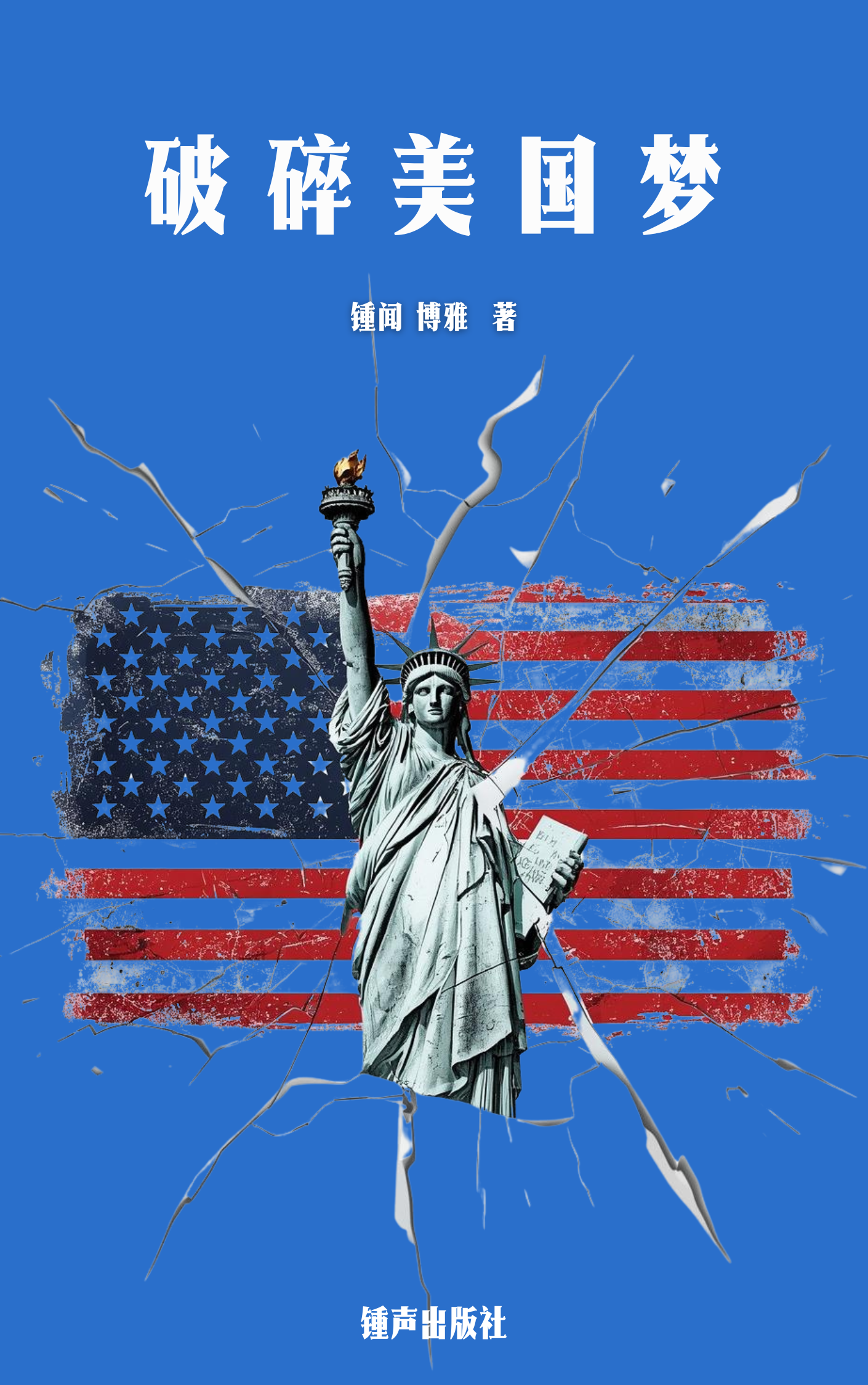
Volume II: Diagnosis of Failure and the End of the Dream
Part VII: Cultural Civil War: America’s Battle for Its Soul
Chapter 117: A New Social Contract: The Rebuilding of Responsibility and Community — From “My Rights” to “Our Obligations”
Building on the foundation of rebuilding shared truth (Chapter 116), this chapter shifts the focus to social relations. Against the backdrop of widespread collapse of trust (Chapter 82), the disintegration of the social contract (Part Three), and the de facto fragmentation of the nation in law and culture (Chapter 114), we will explore how American society can transcend the logic of the zero-sum war for survival (Chapter 111) and redefine the responsibilities, obligations, and collective well-being among citizens. This involves moving from extreme individualism and identity politics toward a sense of community that acknowledges interdependence.
First Thesis: The Collapse of the Old Contract and the Need for a New One
I. The Foundation and Failure of the Old Contract
The old social contract was built on the “American Dream” (Part One) and principles of universal liberalism:
Promise: If you work hard, the system will reward you; you can pursue your own happiness, and the state will provide stability and opportunity.
Failure: Economic inequality (Part One) and institutional corruption (Part Five) have proven that this contract is broken for many. When promises go unfulfilled, citizens turn their focus from the community to themselves and their identity groups.
II. From “My Rights” to “Our Obligations”
A new social contract cannot focus solely on “my rights” (the foundation of identity politics and extreme individualism); it must re-emphasize citizens’ obligations and responsibilities to the community and to one another.
Core Shift: Acknowledging that we live in an interdependent system—my well-being is tied to the well-being of others. This means: sacrificing short-term interests, accepting imperfect compromises, and tolerating “the other.”
Second Thesis: The Rebuilding of Community and the Definition of Responsibility
III. Responsibility One: “Civic Decency” Across Ideologies
The first step in rebuilding community is to reestablish “civic decency” in everyday interactions.
The End of Moral Purity: We must break free from woke culture’s extreme pursuit of moral purity (Chapter 107) and the right’s accusations of “treason.” Acknowledge political opponents as a “loyal opposition,” not “moral enemies.”
Rebuilding Dialogue: On the foundation of shared truth (Chapter 116), tolerate differences in perspective, and transform political dialogue from “moral judgment” (Chapter 110) back to “rational persuasion.” This requires both sides to be willing to listen and acknowledge that the other’s pain or grievance is real, even if they disagree with the proposed solutions.
IV. Responsibility Two: Shared Sacrifice and Collective Well-Being
A new social contract must redefine collective well-being and demand shared sacrifice.
Shared Economic Responsibility: Acknowledge that extreme inequality (Part Two) destroys community. This requires the elite class to accept some form of redistribution and limits on wealth and power to restore equality of opportunity, thereby alleviating resentment at the bottom.
Intergenerational Responsibility: Addressing intergenerational issues such as climate change and national debt (Chapter 61) requires the current generation to make difficult and unpopular policy choices. This is a collective obligation to the future survival of the community.
Third Thesis: The Redesign of Institutions and the Revival of Local Power
V. Institutional Humility and Repair
For a new social contract to be effective, institutions must demonstrate humility and a willingness to self-repair.
Federal Retreat: Given the reality of internal fragmentation of states (Chapter 114), the federal government must reduce its intervention in culture war issues, returning more power to local and state governments, allowing “laboratories of democracy” to operate once again.
Revitalizing the Constitution: Re-emphasize the Constitution as a set of procedures (rules for how to reach agreement) rather than a specific ideology (the outcome of ideology). Let the Constitution serve as a common, neutral set of rules.
VI. The Revival of Local Communities
Rebuilding trust must begin at the local community level.
Connections Beyond Politics: Within families, communities, and local organizations, people need to reestablish connections that transcend partisan politics. When neighbors cooperate in schools, churches, and sports leagues, it becomes easier to see one another as individuals with shared humanity rather than ideological enemies.
Redirecting Engagement: Shift energy from virtual, abstract, hostile national political confrontation (Chapter 113) toward concrete, solvable local issues that involve shared interests.
Fourth Thesis: Conclusion: The Faint Hope of Transcending Fragmentation
Chapter 117 establishes “a new social contract” as a necessary condition for transcending fragmentation.
Presentation of the Core Argument: In a highly divided nation, rebuilding community requires citizens to shift their focus from extreme individual rights to obligations and responsibilities toward one another and the community. This demands civic decency across ideologies, shared economic sacrifice, and institutional humility. This is the faint hope that can pull America back from the zero-sum war for survival and the allure of authoritarianism, toward rebuilding a sustainable, pluralistic democratic system.
Conclusion of the Book: The Final Mile of the Broken American Dream
At this point, The Broken American Dream has completed its structural analysis of the ten core arguments regarding American societal collapse and the brink of civil war:
Structural economic failure intensifies social contradictions.
Systematic betrayal by the elite class destroys social trust.
The disintegration of the social contract ends the national narrative.
Technology giants and the information ecosystem reshape reality.
Institutional corruption and paralysis strip the nation of its capacity for self-rescue.
Globalization and identity politics accelerate polarization.
The right-wing populist engine transforms politics into a war for survival against elites.
The left-wing identity politics engine transforms culture into a war of moral reckoning.
The mirror confrontation of the two ideologies turns compromise into surrender, leading to political violence and de facto national fragmentation.
The only hope for transcending fragmentation lies in rebuilding shared truth and a new social contract.
The Final Choice: America stands at the edge of a cliff between dissolution and rebirth. Choosing the former means continued geographic and moral confrontation between two nations, ultimately sliding toward some form of authoritarianism (Chapter 115). Choosing the latter requires enduring painful, structural reforms to reestablish economic fairness, institutional integrity, and citizens’ commitment to shared truth.
The American Dream is broken, but the fate of “America” as a political entity still lies in the collective will of its citizens—whether they choose to view politics as a “zero-sum war for survival” or as the “rebuilding of communal obligations.”
 正义钟声 Voice of Justice