
The COLLAPSE OF THE AMERICAN DREAM
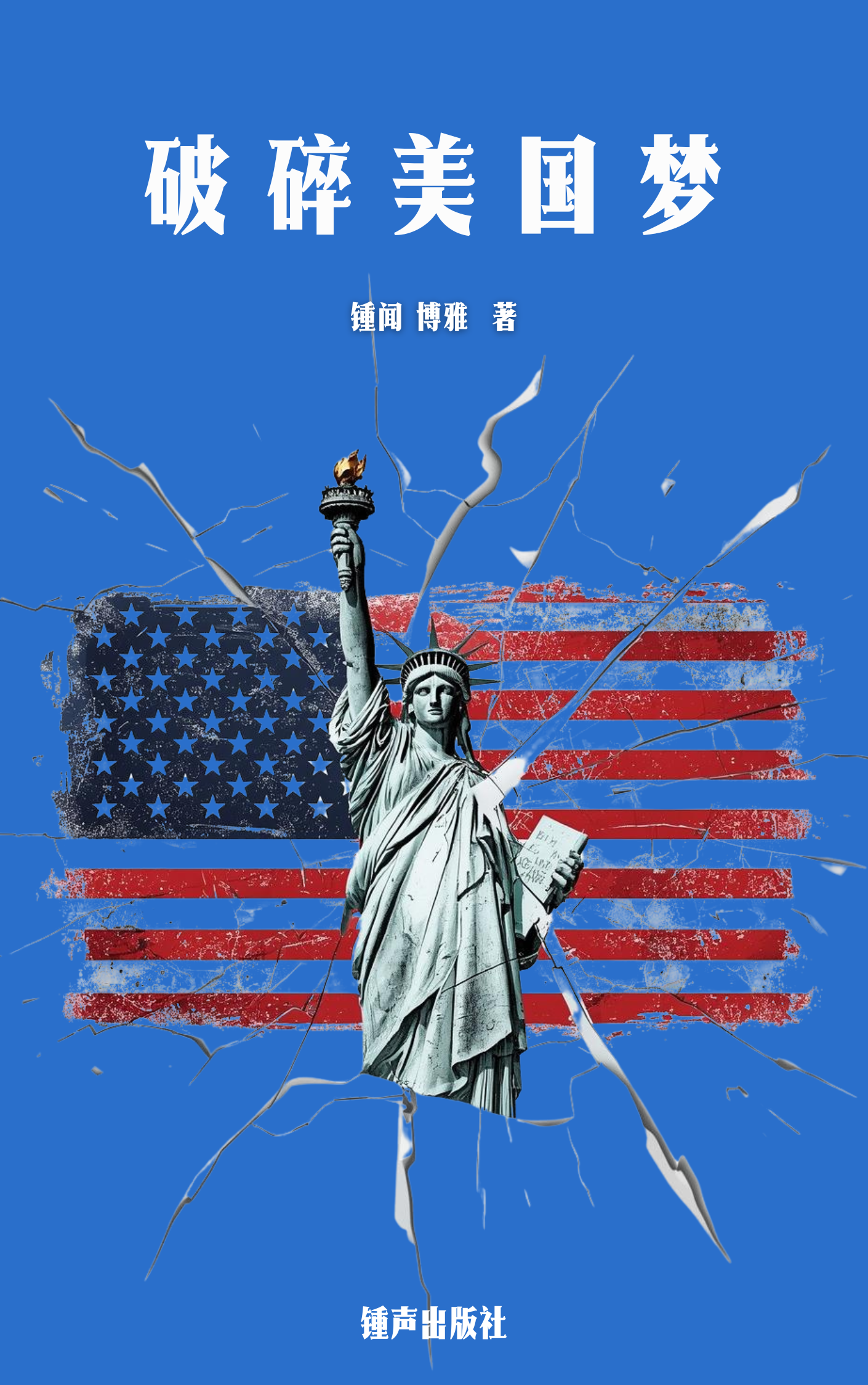
Volume II: Diagnosis of Failure and the End of the Dream
Part VII: Cultural Civil War: America’s Battle for Its Soul
Chapter 116: The Pursuit of Shared Truth: Rebuilding a Rational Foundation — The Reconstruction of Cognitive Consensus and the Return to Enlightenment Principles
In the preceding phases, we analyzed how the cultural civil war has pushed America to the brink of collapse across ideological, social, geographic, and institutional dimensions. This chapter will shift toward a discussion of hope and solutions. We will explore how, to escape the extreme fragmentation of information and facts (Chapter 113), American society can rebuild a common factual ground and rational principles—the first and most fundamental prerequisite for rebuilding trust and democratic dialogue.
First Thesis: The Root of the Crisis: The Fragmentation of Facts and Reason
I. Democracy’s Dependence on “Truth”
The functioning of democracy rests on the assumption that although citizens may disagree on values and preferences, they can at least agree on basic facts about the objective world.
The Fragmentation of Facts: The impact of media echo chambers and extreme ideologies (Chapters 101–110) has stripped American society of common factual reference points. When the two camps live in two different “alternative realities,” both policy discussion and political compromise become impossible (Chapter 111).
The Weaponization of “Truth”: Truth itself has become a weapon in political struggle—one side views it as an “elite conspiracy,” the other as “moral purity.”
II. The Necessity of Reconstruction: Escaping the Allure of Authoritarianism
Rebuilding shared truth is the only way to escape the allure of authoritarianism (Chapter 115). Because the cornerstone of authoritarianism is precisely the absolute control and monopoly over facts. A rational, pluralistic society must be able to tolerate diverse opinions but cannot tolerate diverse facts.
Second Thesis: The Challenges and Pathways to Rebuilding Shared Truth
III. Challenge One: Breaking Through Ideological Filters
The first challenge is to bypass or weaken the already established ideological filters (i.e., the media ecosystem).
Media Responsibility and Regulation: The media industry (especially social media platforms) must take responsibility for content truthfulness and incitement. This requires a new regulatory framework to balance freedom of speech with the prevention of malicious disinformation and the weaponization of ideology.
Funding Neutral Reporting: Encouraging and funding local and national news organizations committed to rigorous fact-checking, providing multi-perspective analysis, and refusing to yield to ideological pressure.
IV. Challenge Two: Education’s Return to Enlightenment Principles
Education, as the source of knowledge (Chapter 109), must return to Enlightenment principles, stepping away from being an ideological battleground.
Teaching Critical Thinking: The focus of education should shift from content indoctrination to training in thinking—teaching citizens how to evaluate information sources, identify biases, and apply logic, rather than telling them what to believe.
Reaffirming the Universal Values of the Humanities: Between the extremes of deconstructing tradition (Chapter 108) and white nationalism (Chapter 102), reaffirm the universal values of the Enlightenment, the scientific method, and rational deliberation as a common foundation that transcends identity differences.
Third Thesis: Reaffirming Rational Principles and Humility
V. Principle One: Acknowledging Imperfection and Falsifiability
Rebuilding shared truth requires society to collectively reflect on and affirm the definition of “reason.”
Scientific Humility: Society must re-embrace the principles of science and empiricism: knowledge is provisional and correctable. This helps alleviate the pursuit of absolute truth by extreme ideologies.
Rules for Public Discourse: Establish rules for public discourse: everyone has the right to their own opinions, but no one has the right to their own facts.
VI. Principle Two: Rebuilding Professionalism and Public Trust
To rebuild a rational foundation, trust in professional institutions must be restored (Chapter 82).
Institutional Self-Cleansing: Universities, scientific institutions, and law enforcement agencies (Part Five) must engage in rigorous self-examination to purge elements viewed as ideological or corrupt, demonstrating their commitment to the principle of neutrality.
Individual Sacrifice: This requires professionals to sacrifice the emotional satisfaction and identity belonging that come from taking sides in the culture war, choosing instead the difficult path of neutrality and objectivity.
VII. Chapter Conclusion: The First Step on the Path to Renewal
Chapter 116 establishes “the pursuit of shared truth” as the first step toward transcending fragmentation.
 正义钟声 Voice of Justice