
The COLLAPSE OF THE AMERICAN DREAM
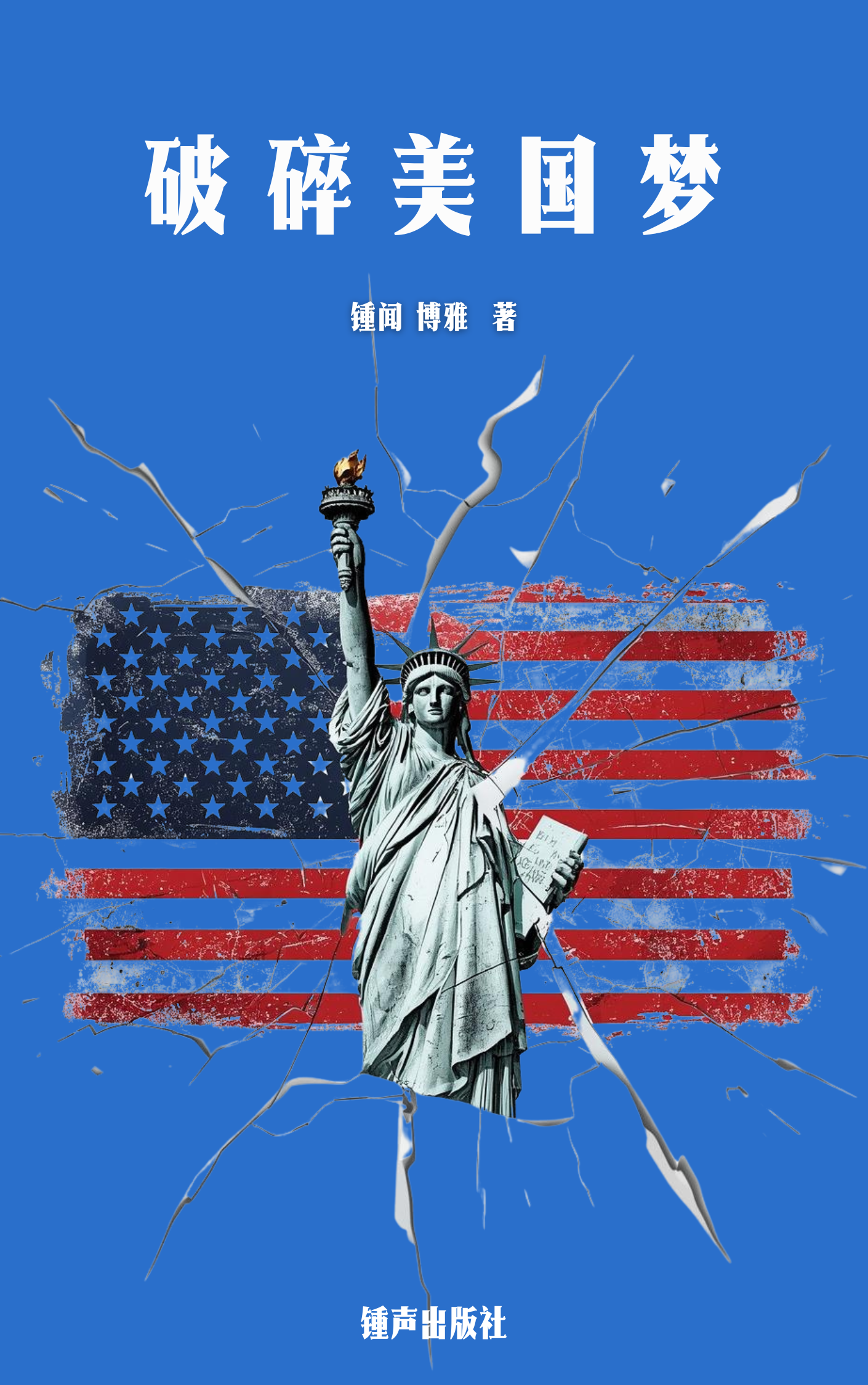
Volume II: Diagnosis of Failure and the End of the Dream
Part VII: Cultural Civil War: America’s Battle for Its Soul
Chapter 115: The System’s Ultimate Choice: Political Paralysis and the Allure of Authoritarianism — The Choice of Order Over Liberty
This chapter will synthesize and characterize the analyses of institutional failure (institutional paralysis, Part Two) and the cultural civil war (ideological zero-sum, the first four chapters of Part Seven). We will explore how, when the two ideological engines push the nation toward a zero-sum war for survival (Chapter 111) and de facto fragmentation (Chapter 114), the American system itself faces its ultimate and most dangerous choice: in order to end disorder and restore superficial stability, the system may incline toward sacrificing democratic principles and embracing some form of authoritarian temptation.
First Thesis: The Extremes of Chaos and Paralysis
I. The Failure of Democratic Defense Mechanisms
The American democratic system was designed with powerful defense mechanisms—separation of powers, checks and balances, constitutional rights—to prevent tyranny. However, the logic of the cultural civil war has systematically rendered these mechanisms ineffective:
Institutional Paralysis: Congress cannot legislate, the judiciary is politicized, administrative agencies are viewed as enemies (Chapter 39).
Social Collapse: Society is fragmented into two mutually incompatible factual universes and zero-sum moral systems (Chapter 113).
Normalization of Violence: Political violence is rationalized by ideology, and the system’s capacity to maintain order is fundamentally challenged (Chapter 112).
II. Collective Psychology in Chaos: The Longing for Order
When political paralysis leads to social chaos, the collective psychology of the public undergoes a transformation: love of liberty is replaced by a strong longing for order.
The Cost of Liberty: Chaos leads the public to believe that democratic freedoms and debate are the root causes of disorder and dysfunction.
The Allure of Authoritarianism: Any powerful force capable of decisively resolving issues and restoring law and order—regardless of whether it violates the Constitution—gains significant political and psychological appeal.
Second Thesis: Two Forms of Authoritarian Temptation
The temptation of authoritarianism may manifest in two primary forms within the American system, each catering to one pole of the cultural civil war:
III. Form One: The Right’s “Tyranny of Order”
This is the most direct temptation, pushing the sanctification of state power (Chapter 105) to its extreme.
Ideological Foundation: Rooted in white nationalism and the mission to “take back the country.” It asserts that the state must decisively and ruthlessly suppress “cultural enemies” (such as progressives, immigrants, secularists).
Manifestations:
Extreme Expansion of Executive Power: The president or governor bypasses legislative and judicial institutions, implementing large-scale ideological purges and suppression through emergency executive orders.
Weaponization of Law Enforcement: Transforming federal or state law enforcement agencies (such as the National Guard) into political tools for monitoring, arresting, and punishing dissenters.
“Reinterpretation” of the Constitution: Claiming the Constitution must be subordinated to a “higher moral or sacred mission.”
Goal: To end cultural chaos and restore a white-dominated, exclusionary “true American order.”
IV. Form Two: The Left’s “Tyranny of Virtue”
This is a more subtle temptation, pushing moral reckoning (Chapter 106) to its extreme, exercising control in the name of “social justice.”
Ideological Foundation: Rooted in reckoning with systemic oppression and the pursuit of moral purity. It asserts that only by thoroughly eliminating “oppressive structures” can true peace be achieved.
Manifestations:
Absolute Control of Bureaucracy: Seizing and expanding the power of administrative and cultural institutions (Chapter 109) to impose extreme ideological norms and censorship on society in the name of “anti-discrimination” and “fairness.”
Regulation of Language and Thought: Using technology companies and educational institutions to establish and enforce “correct” linguistic and ideological norms, systematically censoring and excluding any speech deemed “oppressive” (Chapter 110).
Goal: To end historical injustice and achieve absolute, state-enforced social justice.
Third Thesis: The System’s Ultimate Choice: The Illusion of Order
V. The Sacrifice of Democracy: The System’s Self-Destruction
Regardless of which form of authoritarian temptation ultimately prevails, the result is the self-destruction of the democratic system:
Sacrifice of Liberty: In exchange for the illusion of order, Americans will be forced to sacrifice constitutional rights, freedom of speech, procedural justice, and political pluralism.
From Fragmentation to Autocracy: In the midst of extreme fragmentation, the system ultimately chooses autocracy as the only and simplest solution to fragmentation.
VI. The Ultimate Tragedy of the Cultural Civil War
The ultimate tragedy of the cultural civil war is that both camps believe they are fighting against tyranny, yet together, they create it.
The Right’s Tyranny: Seen as necessary self-defense.
The Left’s Tyranny: Seen as the realization of justice.
VII. Chapter Conclusion: The Dangerous Endpoint of the Cultural Civil War
Chapter 115 summarizes the dangerous endpoint toward which the cultural civil war leads the system.
Presentation of the Core Argument: When zero-sum games and social fragmentation reach their extreme, leading to complete political paralysis and disorder, the system tends to sacrifice democratic principles and embrace the temptation of either the right’s “tyranny of order” or the left’s “tyranny of virtue” in pursuit of restoring stability. This romanticization and institutionalization of authoritarianism is the darkest footnote to the broken American Dream.
 正义钟声 Voice of Justice