
The COLLAPSE OF THE AMERICAN DREAM
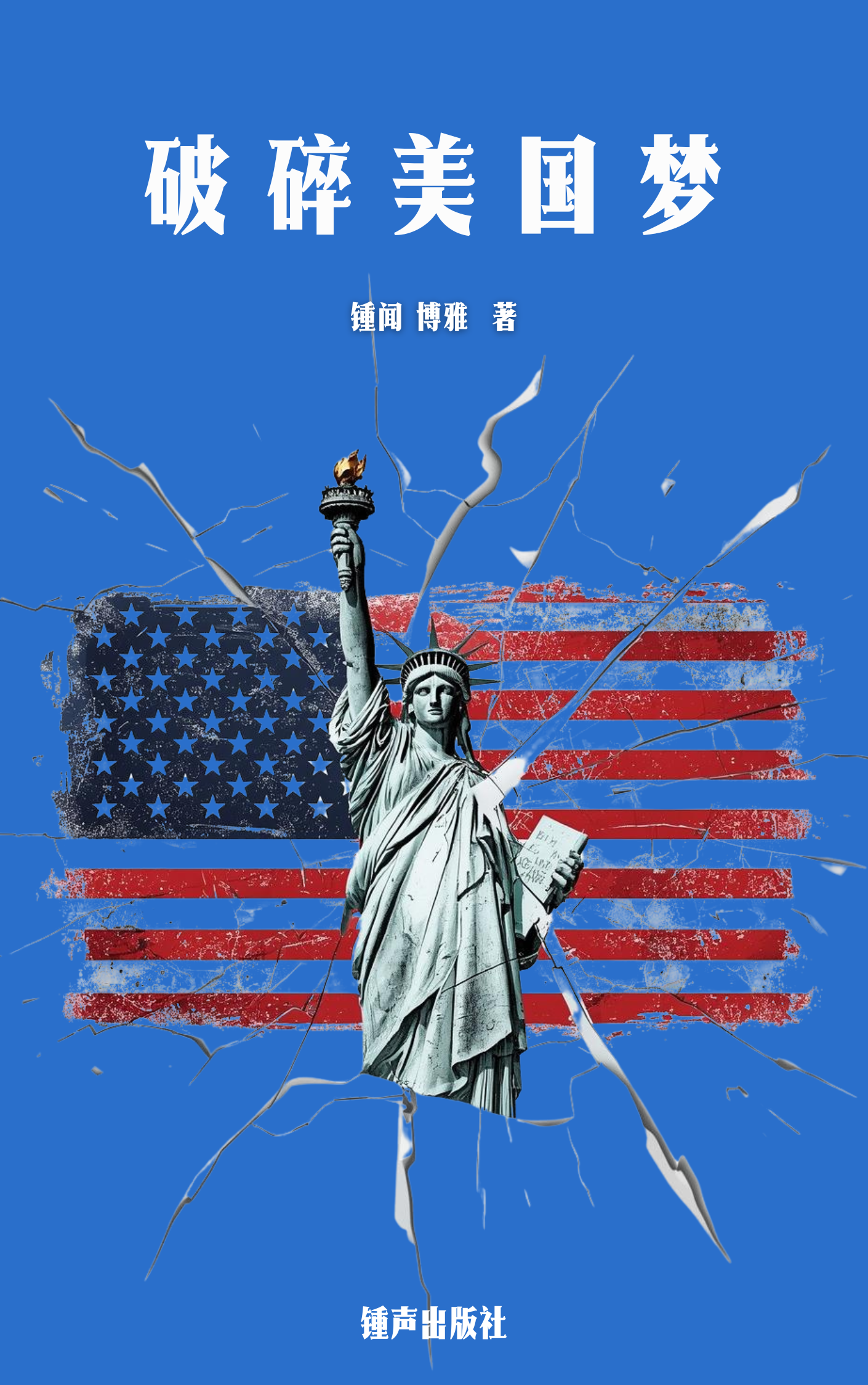
Volume II: Diagnosis of Failure and the End of the Dream
Part VII: Cultural Civil War: America’s Battle for Its Soul
Chapter 114: Internal Fragmentation of States: Ideological Confrontation Under Federalism — The Formation of “Two Nations”
This chapter will shift the focus of analysis toward geography and political structure. We will argue that within the framework of federalism, driven by the ideology of the cultural civil war and the dominance of zero-sum logic (Chapter 111), America’s red and blue states are no longer merely differing in policy choices, but are trending toward becoming, in practice, “two nations” in terms of law, public policy, economic models, and cultural values. This geographic fragmentation marks the ultimate weakening of central (federal) authority (Chapter 92) and the escalation of the cultural civil war into structural confrontation.
First Thesis: The Alienation of Federalism and Geographic Polarization
I. The Original Intent of Federalism and Current Challenges
American federalism was originally designed to allow states to craft different laws based on local needs, serving as “laboratories of democracy.” However, during the cultural civil war, federalism has become a weapon of ideological confrontation.
Geographic Polarization: Political and ideological polarization is no longer randomly distributed but highly geographic: red states (Republican-led) are concentrated in the Midwest and South; blue states (Democratic-led) are concentrated along the coastlines and in major metropolitan areas.
Weakening of Central Authority: Due to congressional paralysis (Chapter 39) and federal government incompetence (Chapter 81), states have begun to believe that “solutions must come from the state level,” actively challenging or negating federal laws and Supreme Court rulings.
II. The Concrete Manifestation of “Two Nations”: Mirror Confrontation in Laws and Policies
Red and blue states have formed mirror-confronting systems of law and policy on key culture war issues:
Policy Area Red States (Right-Wing Engine Dominant) Blue States (Left-Wing Engine Dominant) Essence of Confrontation
Reproductive Rights Implement strict abortion bans (grounded in white nationalism) Pledge to become “abortion sanctuaries,” protecting cross-state seekers Zero-sum between morality and bodily autonomy
Gun Control Implement “constitutional carry,” viewing guns as a right of self-defense Implement strict background checks and assault weapons bans Zero-sum between liberty and public safety
Education and Culture Ban teaching of Critical Race Theory and gender identity in public schools Mandate promotion of Diversity, Equity, and Inclusion programs Zero-sum between historical narrative and identity
Border and Immigration State governments actively participate in border enforcement, challenging federal authority Pledge to become “sanctuary states,” protecting undocumented immigrants Zero-sum between national identity and sovereignty
Second Thesis: Structural Confrontation and the Weaponization of the Economy
III. The Weaponization of Law and Cross-State Conflict
These policy differences between states have escalated into legal warfare and cross-state conflict.
Challenging the Federal Government: State governments systematically use state courts and state legislative power to resist federal laws, executive orders, and Supreme Court rulings that conflict with their own ideologies.
Cross-State Enforcement Conflicts: Blue states attempt to legislate protections for doctors providing abortion services within their borders against prosecution from red state laws; red states attempt to extend the reach of their abortion bans into blue states. This creates enormous legal jurisdictional chaos and conflict.
IV. The Weaponization of the Economy and “Ideological Migration”
Ideological confrontation also affects economic decisions and population movement.
Corporate Taking Sides: Faced with state laws (such as gun laws, LGBTQ rights laws), corporations are forced to take sides. State governments use economic tools such as tax incentives and contracts to reward or punish corporations aligned with their ideology.
“Ideological Migration” of Populations: Citizens choose where to live based on their political and cultural preferences, causing red states to become redder and blue states bluer. This further reinforces echo chamber effects (Chapter 113), making it difficult for local politics to produce moderates or compromisers.
Third Thesis: The Final Lock-In of the Cultural Civil War
V. The Geographic End of Political Compromise
Internal fragmentation of states has brought political compromise to a geographic end.
The Psychology of “Two Nations”: Politicians from red and blue states no longer need to be accountable to a national consensus; they only need to be accountable to the extreme demands of their own state and ideological camp.
Dysfunction of the Federal System: The Senate, intended to represent the interests of states, has now become the final bastion of ideological confrontation. Any attempt to repair the federal system or address national problems will fail in the face of ideological confrontation between states.
VI. Providing a Framework for Dissolution
Internal fragmentation of states provides a ready-made geographic framework for the ultimate dissolution of American society.
Structural Foundation: Federalism allows states to possess independent legal systems, police powers, and state National Guards. When cultural confrontation escalates to the level of political violence (Chapter 112), conflicts between state governments may no longer be limited to legal warfare.
Ultimate Choice: This situation shifts “fragmentation” or “secession” from a fringe discussion to a realistic, foreseeable option.
Fourth Thesis: Chapter Conclusion: The Structuralization of the Cultural Civil War
Chapter 114 establishes the internal fragmentation of states as the structural manifestation of the final phase of the cultural civil war.
Presentation of the Core Argument: Within the framework of federalism, red and blue states have formed, in practice, “two nations” in law, policy, and culture. This geographic and legal confrontation institutionalizes the zero-sum game at the local level, fundamentally dismantling the authority of the central government and pushing the cultural civil war to the brink of structural dissolution.
 正义钟声 Voice of Justice