
The COLLAPSE OF THE AMERICAN DREAM
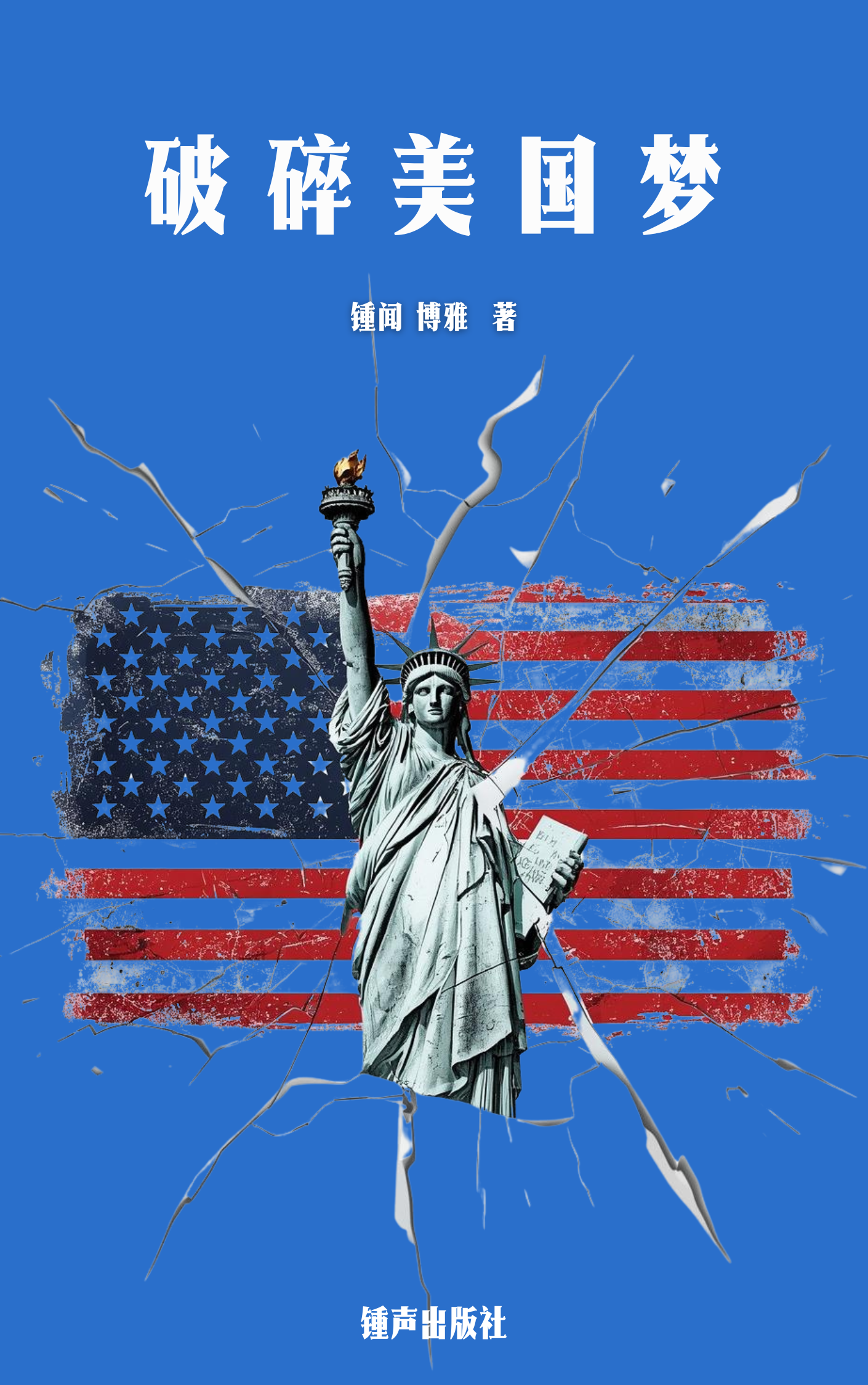
Volume II: Diagnosis of Failure and the End of the Dream
Part VII: Cultural Civil War: America’s Battle for Its Soul
Chapter 112: The Rationalization and Escalation of Political Violence — Viewing Violence as a “Moral Duty”
This chapter will analyze the most dangerous consequence of the cultural civil war (the theme of Part Seven): when politics devolves into a “zero-sum war for survival” (Chapter 111), how political violence transforms from an extreme act into a “necessary action” rationalized, even sanctified, by ideology. We will explore how the two mutually negating ideologies of the right and left provide moral and historical justification for their own violent actions, leading to the normalization and spiraling escalation of political violence.
First Thesis: The Ideological Foundations of Violence
I. The Transformation from Speech to Action
In a highly polarized environment where politics is viewed as a “war for survival,” extreme speech ultimately leads to violent action. When institutional solutions are deemed ineffective (institutional collapse, Part Five) or controlled by the enemy (institutional capture, Chapter 109), non-institutional, direct violent means become the “last resort.”
II. The Dual Rationalization of Violence: Right and Left
Although the forms and targets of violence may differ between the two sides, both provide sacred, unquestionable ideological justifications for their own violence:
Camp Ideological Justification for Violence Targets of Violence
Right Self-defense for survival and sacred mission Resisting the conspiracy of the “Great Replacement Theory” and the suppression of “left-wing tyranny” (Chapter 105)
Left Resistance against oppression and historical reckoning Breaking “systemic oppression” and “white supremacist structures,” accelerating the repayment of the moral debt (Chapter 106)
Second Thesis: The Right: Viewing Violence as “Patriotic Self-Defense”
III. The Right’s Historical Justification: Puritans and the “Last Line of Defense”
The right’s historical justification for violence often appeals to America’s revolutionary tradition and the spirit of frontier self-defense:
The Duty to “Resist Tyranny”: They claim to be fulfilling the founders’ duty to resist tyranny. When the system is controlled by the “Deep State” or “traitors,” taking up arms becomes the highest form of “patriotic self-defense.”
White Resistance: White nationalism (Chapter 102) elevates violent action to “sacred resistance,” believing that fighting “evil forces” is a moral duty bestowed by God.
Targets: Violent actions typically target symbolic sites (such as the Capitol, Chapter 38), government institutions (such as FBI offices), or individuals deemed “cultural enemies” (such as liberal politicians).
IV. The Institutionalization of Violence: Paramilitary Groups and Threats
The escalation of right-wing violence is reflected in the rise of paramilitary groups and the normalization of political threats:
Paramilitarization: Many ideological groups organize themselves and conduct armed training, viewing themselves as “necessary forces” to maintain order or resist tyranny in the event of “national collapse.”
Threats Against Public Officials: Physical threats against election officials, school board members, and local health officials have become commonplace, effectively paralyzing public services and local governance (Chapter 81).
Third Thesis: The Left: Viewing Violence as “Resistance Against Oppression”
V. The Left’s Historical Justification: Anti-Colonial and Anti-Fascist Struggles
The left’s moral justification for violence often appeals to the historical experiences of anti-colonial struggle and anti-fascism:
Breaking Systemic Oppression: They argue that the current state structure is violent and racist; therefore, violent action taken for self-defense and liberation is morally justified, even necessary.
Confronting Fascism: They label right-wing white nationalism as modern fascism and claim that “confronting fascism requires violence.” This frames any violence against right-wing rallies or symbols as heroic acts of resistance against historical evil.
Targets: Violent actions typically target property (such as destroying statues, Chapter 108), symbols of oppression (such as police stations, banks), or far-right gatherings and activities.
VI. The Linguisticization of Violence: Rationalization and “Aestheticization”
In some extreme factions of the left, violence is not only rationalized but even “aestheticized”:
Viewing Destruction as Liberation: Property destruction is seen as a symbolic act of liberation against capitalist and colonialist structures.
Proof of Moral Purity: Participating in radical and violent actions becomes proof of one’s own “wokeness” and moral purity in “resisting oppression” (Chapter 107).
Fourth Thesis: The Spiral Escalation of Violence and Irreversible Fragmentation
VII. The Logic of Spiral Escalation
The rationalization of violence by both sides creates an irreversible “escalation spiral”:
Action by Side A: Right-wing political violence is framed as patriotic self-defense.
Response by Side B: The left interprets this as a fascist threat and responds with violence in the name of “counterattack.”
Further Response by Side A: The right views the left’s counterattack as a direct assault from “elite tyranny,” further escalating its armed mobilization and threats.
Amplified by media echo chambers (Chapter 104), this spiral escalation continuously intensifies, pushing society into a state of brinkmanship.
VIII. The Ultimate Collapse of Institutions
The normalization and escalation of political violence represent the ultimate negation of institutional constraints:
Paralysis of Law and Enforcement: Law enforcement agencies face immense pressure: suppressing violence from one side is seen as ideological bias, while failing to suppress it leads to chaos and anarchy.
Negation of Democratic Processes: When people believe that “only bullets can solve problems,” ballots and dialogue (Chapter 111) lose all meaning.
Conclusion: The Mode of Action in the Cultural Civil War
Chapter 112 establishes political violence as the mode of action in the cultural civil war.
Presentation of the Core Argument: When politics transforms into a zero-sum war for survival, both major ideologies successfully provide sacred moral and historical justifications for their own violence. This rationalization and romanticization of violence make the spiral escalation of political violence inevitable, fundamentally dismantling the possibility of peaceful coexistence and pushing the United States toward a de facto state of civil war.
 正义钟声 Voice of Justice