
The COLLAPSE OF THE AMERICAN DREAM
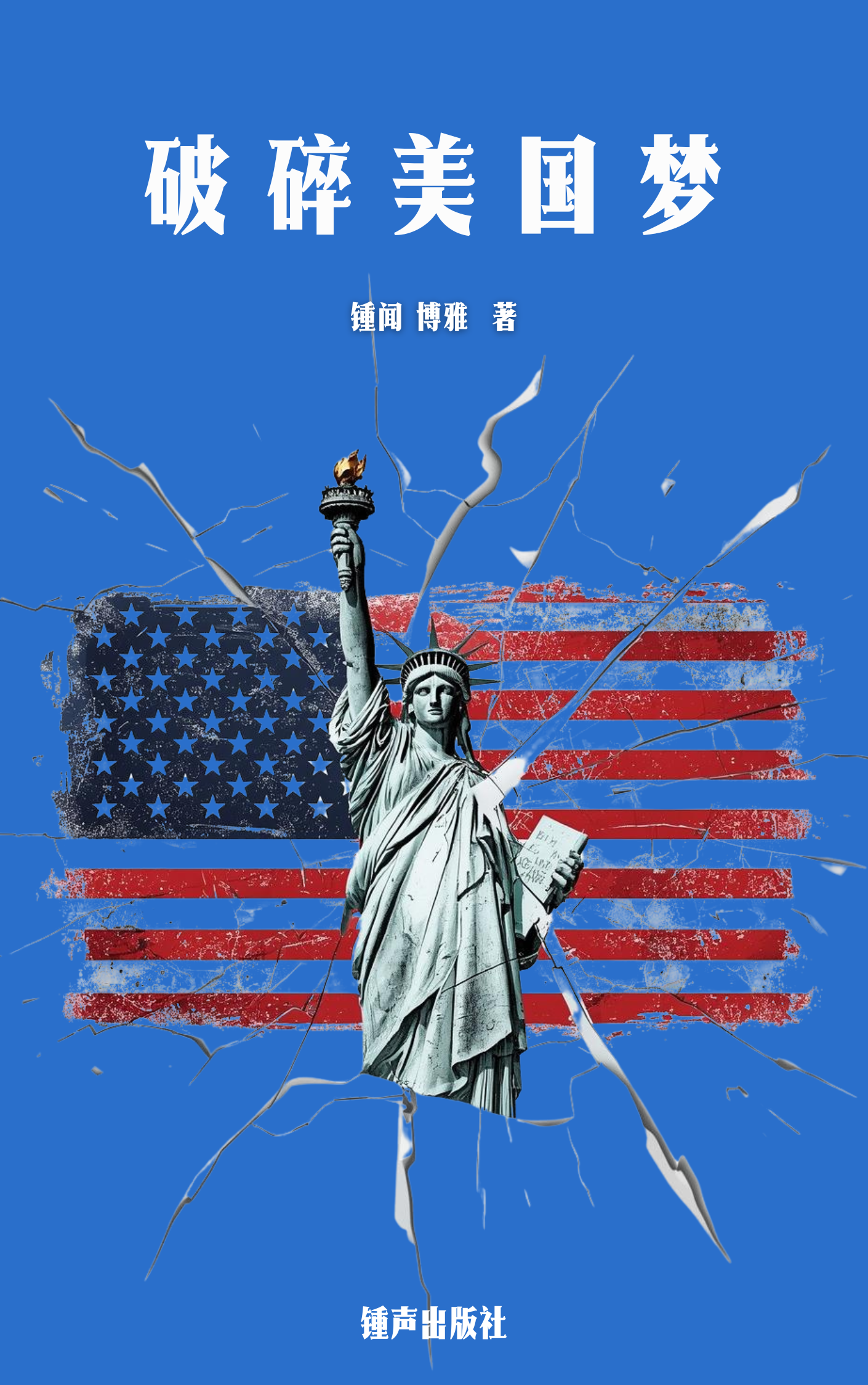
Volume II: Diagnosis of Failure and the End of the Dream
Part VII: Cultural Civil War: America’s Battle for Its Soul
Chapter 111: Zero-Sum Game: From Compromise to War for Survival — The Alienation of Politics from Art to War
This chapter will serve as a critical turning point and summary. In the previous two phases, we analyzed the two mutually negating engines of the culture war: the right and the left. This chapter will argue that these two ideologies—whether the sense of loss of white privilege or the moral debt of historical reckoning—have fundamentally transformed the essence of political struggle from “policy debate” into a “zero-sum war for survival.” Under this logic, compromise is no longer the art of politics but becomes a betrayal of morality or race, making the collapse of institutions (Part Five) irreversible and driving society toward ultimate fragmentation.
First Thesis: The Foundations of Compromise: The Collapse of Community and Rational Space
I. The Conditions for Traditional Political Compromise
In traditional democratic systems, political compromise is possible because it rests on several foundations:
Shared Goals: Both sides believe in the continuity of the nation and that the ultimate goal is the prosperity of the community (even if they disagree on the path).
Shared Facts: Both sides agree on basic facts, data, and scientific consensus.
Legitimacy of Opponents: Both sides acknowledge the opponent as a “loyal opposition,” a legitimate part of the nation.
II. The Systematic Destruction of the Foundations of Compromise by the Two Ideologies
The two ideological engines analyzed in the previous two phases have systematically and collectively destroyed these foundations:
The Right’s Destruction: The “Great Replacement Theory” (Chapter 101) defines opponents as “traitors” and “conspirators” seeking to destroy national identity. This strips opponents of legitimacy, transforming politics into “self-defense.”
The Left’s Destruction: “Historical reckoning” (Chapter 106) defines opponents as “beneficiaries and maintainers of oppressive structures” who are morally guilty. This makes compromise with them a moral betrayal.
Second Thesis: The Establishment of Zero-Sum Logic and the Escalation of Polarization
III. The Right’s Zero-Sum Logic: Zero-Sum in Resources and Culture
The right’s zero-sum logic revolves primarily around resources and cultural status:
Zero-Sum in Resources: Due to the loss of economic status (Chapter 103), they believe that every government aid and policy preference given to minority groups is taken away from “their own.”
Zero-Sum in Culture: They believe that the increase in multiculturalism, the deconstruction of tradition (Chapter 108), and the regulation of language (Chapter 110) are direct exclusion and suppression of white culture.
Result: Compromise is no longer an exchange of interests, but “accepting cultural genocide.”
IV. The Left’s Zero-Sum Logic: Zero-Sum in Morality and Justice
The left’s zero-sum logic revolves primarily around morality and justice:
Zero-Sum in Justice: They argue that the current system operates on systemic oppression. Therefore, any effort to maintain the status quo perpetuates injustice. True justice can only be achieved through complete structural transformation.
Zero-Sum in Morality: Within the moral system of “woke culture” (Chapter 107), only absolute moral purity exists; there is no middle ground. Compromising with “oppressors” equals complicity and betrayal.
Result: Compromise is no longer seeking peace, but “betraying the historical mission.”
Third Thesis: From “Policy Struggle” to “War for Survival”
V. The Alienation of Politics from “Art” to “War”
Once zero-sum logic is established, politics completes its alienation from “art” (the art of compromise) to “war.”
Change in Goals: The goal of war is not collective governance, but the complete defeat and elimination of the opponent.
Escalation of Struggle: Since this is a “war for survival” (whether cultural survival or moral survival), electoral rules, judicial procedures, and even the Constitution become tools that can be sacrificed. This rationalizes the destruction and attack on the system (such as the sanctification of state power, Chapter 105).
Emotion Replaces Reason: Politics becomes dominated by intense emotions such as anger, resentment, and fear (Chapter 103), with rational deliberation completely excluded.
VI. The Ultimate Lock-In of the System: An Unsolvable Stalemate
This zero-sum game leads to an unsolvable lock-in of political gridlock.
Senate and Legislation: Neither side is willing to give the opponent a “victory” in legislation, leading to paralysis on all major policies (for example, budgets, immigration, infrastructure).
Government Shutdowns and Fiscal Crises: Political struggle extends to basic government operations, using fiscal crises as weapons of ideological warfare.
Final Result: The incompetence of the system, in turn, validates the extreme claims of both camps: the right believes the system is controlled by the “Deep State”; the left believes the system is “rotten and must be overthrown.”
VII. Chapter Conclusion: The Logical Core of the Cultural Civil War
Chapter 111 establishes “zero-sum game” as the logical core of the cultural civil war.
Presentation of the Core Argument: The two ideological engines have transformed political struggle from policy debate into a zero-sum war for survival. Under this logic, any compromise is seen as surrender on race or morality, making the ultimate fragmentation of society an inevitable outcome and fundamentally dismantling the possibility of democratic governance.
 正义钟声 Voice of Justice