
The COLLAPSE OF THE AMERICAN DREAM
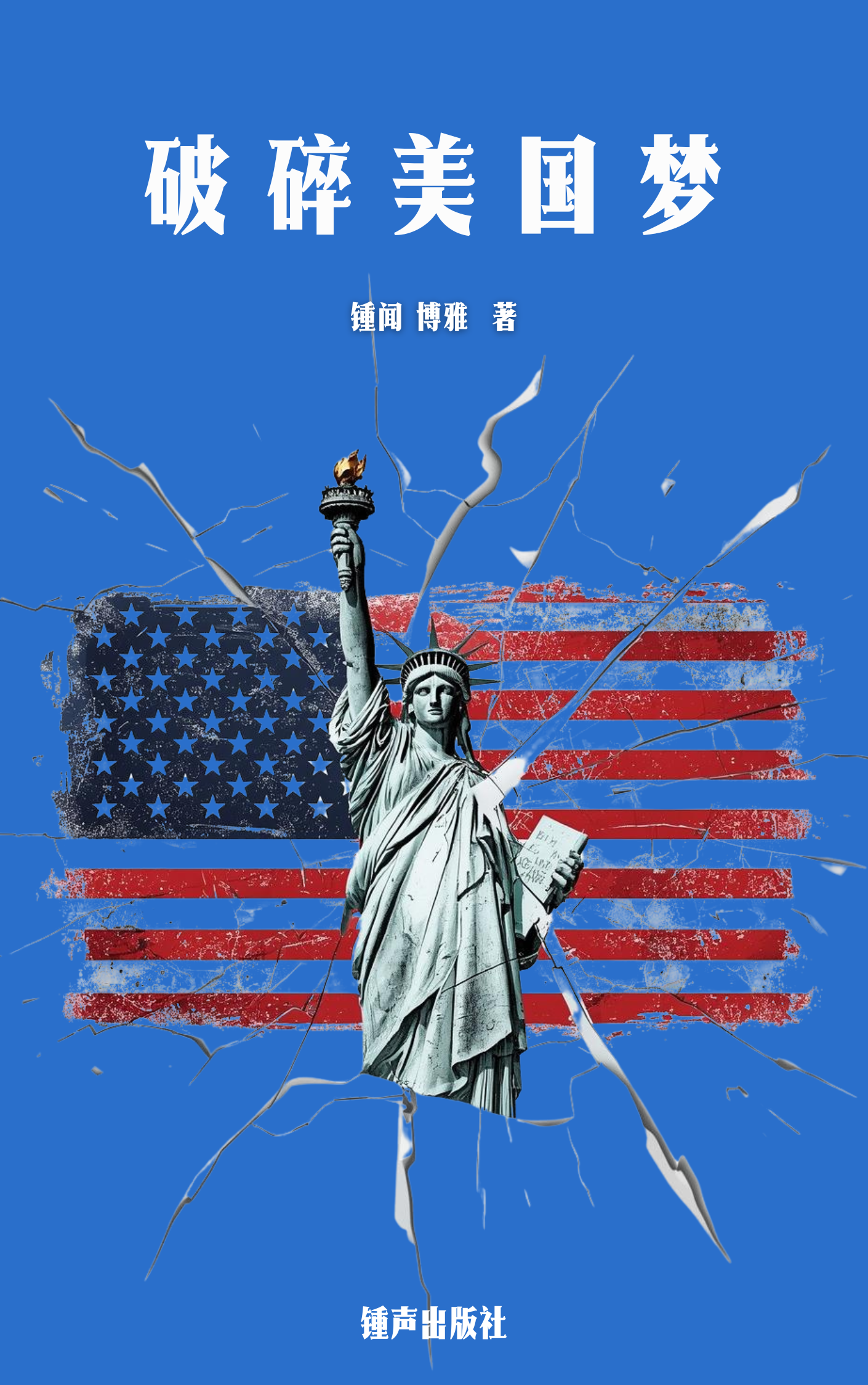
Volume II: Diagnosis of Failure and the End of the Dream
Part VII: Cultural Civil War: America’s Battle for Its Soul
Chapter 110: The Weaponization of Language: From Communication to Judgment — Terminology Warfare, Moral Traps, and the End of Dialogue
This chapter will summarize the ultimate manifestation of the left-wing ideological engine at the level of everyday interaction. We will analyze how progressive identity politics alienates language—a medium originally intended to facilitate public discourse and mutual understanding—into a tool for moral judgment, enforcing norms, and excluding dissenters. This extreme control and prescription of language not only deepens right-wing victimhood and anti-elite sentiment but fundamentally eliminates the possibility of effective communication and compromise between the two sides of the cultural civil war.
First Thesis: The Redefinition of Language and Power
I. From Convention to Vehicle of Power
Traditionally, language was viewed as a conventional tool for communication, its purpose being to convey information and ideas. However, progressive identity politics has fundamentally transformed the understanding of language:
Core Argument: Language is a vehicle for power and oppressive structures. Oppression is maintained not only through laws and economic structures but also through the use of language, labels, and exclusion.
Goal: To dismantle systemic oppression (Chapter 106), language must first be controlled and regulated so that it reflects and affirms the experiences of oppressed groups.
II. The Rise of Terminology Warfare: Ever-Evolving Norms
This perspective has led to sustained “terminology warfare”:
Creation of New Terms and Elimination of Old Ones: To reflect ever-deepening “wokeness” (Chapter 107), new, more precise terms are constantly created (for example, in gender identity, racial nomenclature), while old, once-neutral words are declared “outdated” or “oppressive.”
Exclusivity: Mastering and adhering to these ever-evolving, highly detailed linguistic norms becomes a threshold for entering the “woke” community and a marker of moral purity.
Second Thesis: The Alienation of Language: From Description to Judgment
III. Moral Traps and the “Language Police”
When language is weaponized, its function shifts from describing the world to judging individuals.
Moral Traps: Language becomes a series of moral traps. Saying the wrong word, using an outdated term, or even asking a question can be seen as a “microaggression” (Chapter 107) or evidence of “oppressive intent.”
The “Language Police”: A large number of “language police” have emerged on social media and within certain communities. Their primary function is to monitor, correct, and punish any language use deemed “insufficiently woke.”
Social Consequences: This constant pressure of scrutiny and punishment fills public discourse with fear and anxiety, leading many to self-censor or withdraw entirely from the public sphere.
IV. Transforming Communication into Judgment
The weaponization of language alienates the process of communication into a process of moral judgment:
Changed Goal: The goal of communication is no longer to reach consensus or mutual understanding, but to judge the speaker’s moral status and identity loyalty.
“Intent Doesn’t Matter”: Progressives argue that the impact of language is far more important than the speaker’s intent. This means any linguistic error caused by misunderstanding or ignorance can be seen as a malicious act of systemic oppression.
Third Thesis: The Ultimate Driver of the Cultural Civil War
V. Ultimate Validation for the Right: The Tyranny of Language
The weaponization of language provides the most concrete, everyday evidence of “tyranny” for the right-wing engine (Phase One).
Victimhood Narrative: The right views these norms as a comprehensive attack by elites (Chapter 109) on their free speech, common sense, and traditional culture. They describe this extreme linguistic censorship as “Orwellian” tyranny.
Consolidating Anger: When a person is “canceled” or publicly shamed for using an old term, they are more likely to believe the narrative of the “Great Replacement Theory” (Chapter 101) about malicious elites.
VI. The End of Public Discourse and the Solidification of Division
The weaponization of language causes structural damage to democratic mechanisms:
Loss of Common Language: When the two camps use completely different terminology and moral standards to define reality (for example, one side views affirmative action as “the end of discrimination,” the other views it as “reverse discrimination”), they effectively lose a common language.
The End of Compromise: Without a common language and shared moral standards, rational deliberation, policy compromise, and political reconciliation become impossible.
VII. Chapter Conclusion: The Complete Vicious Cycle of the Left-Wing Engine
Chapter 110 completes the analysis of the left-wing engine in the cultural civil war, forming a vicious cycle from reckoning to everyday behavior:
Moral Driving Force: The moral debt of historical reckoning (Chapter 106)
Enforcement Mechanism: Woke culture’s extreme pursuit of moral purity (Chapter 107)
Cultural Attack: Deconstructing tradition as the negation of shared symbols (Chapter 108)
Institutional Support: The capture of institutions as producers of ideology (Chapter 109)
Everyday Weapon: The weaponization of language as a tool for judgment and exclusion
Presentation of the Core Argument: Progressive identity politics alienates language into a tool for moral judgment and exclusion. This extreme linguistic regulation and censorship completely ends the possibility of public discourse and mutual understanding, dividing society into two hostile linguistic communities that cannot communicate with each other, thereby completing the ideological foundation of the cultural civil war.
 正义钟声 Voice of Justice