
The COLLAPSE OF THE AMERICAN DREAM
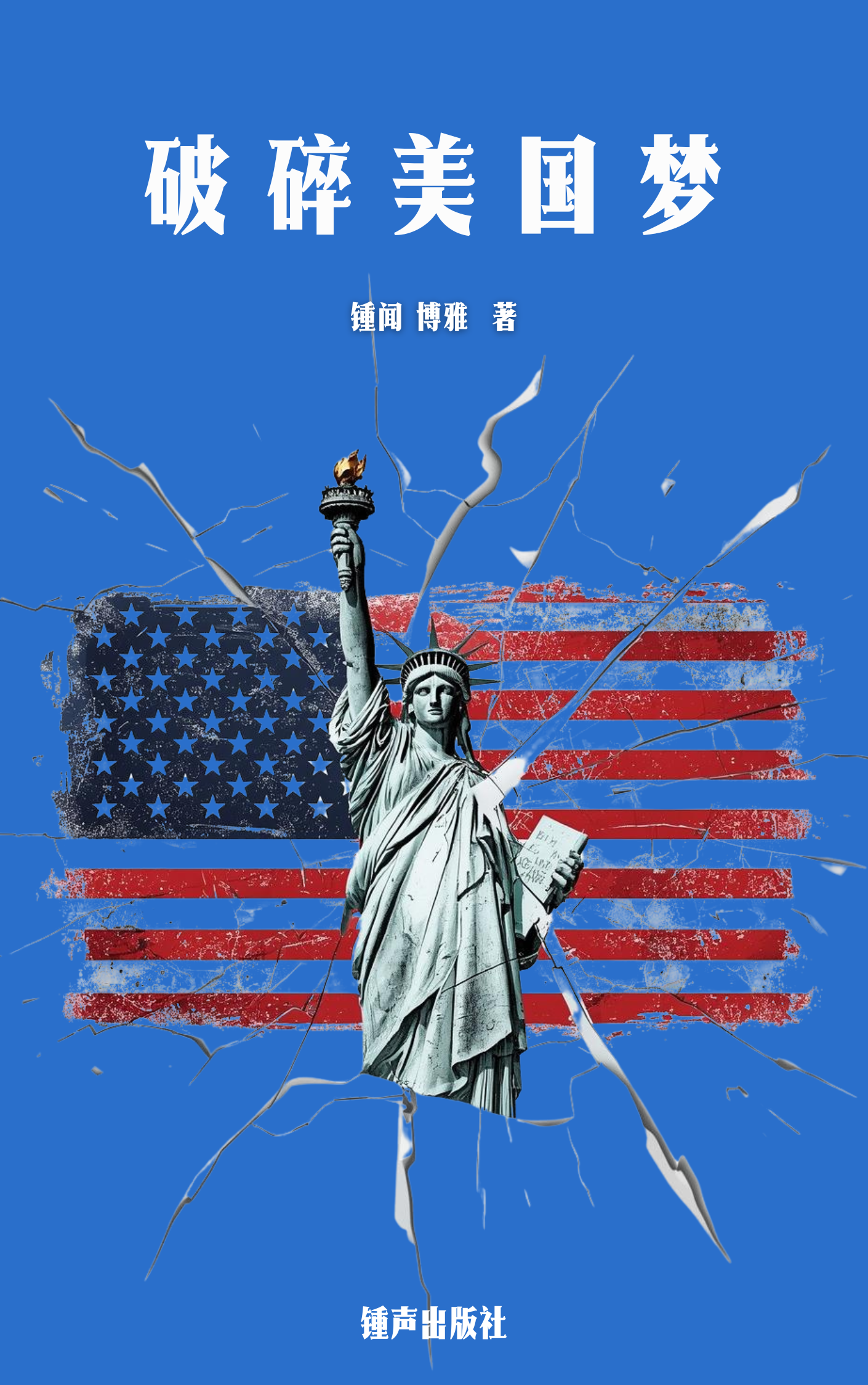
Volume II: Diagnosis of Failure and the End of the Dream
Part VII: Cultural Civil War: America’s Battle for Its Soul
Chapter 106: Historical Reckoning: The Moral Debt of Systemic Oppression — The Comprehensive Reckoning of Historical Injustice by Woke Culture
This chapter will analyze the core driving force of progressive ideology: viewing America’s historical injustices (slavery, segregation, exclusion of women and minorities) as a “moral debt” that requires immediate and comprehensive repayment. This demand for reckoning with “systemic oppression” transforms political struggle from a debate about future policies into a correction of historical wrongs, likewise pushing society into zero-sum confrontation.
First Thesis: The Burden of History: From Forgetting to Reckoning
I. The Traditional “Assimilation” Narrative and Its Failure
In the mid-to-late 20th century, the mainstream American narrative tended toward “assimilation” and “transcendence”—the idea that although there were historical injustices, America was continually progressing and would eventually overcome differences of race, gender, and class.
The Failure of the Narrative: Despite advances made by the civil rights movement, the reality of economic inequality (Chapter Sixty-One), persistent police violence, and systemic racism rendered this “progressive” narrative completely invalid for many groups.
II. “Systemic Oppression”: The Core Concept of Moral Debt
At the heart of progressive identity politics is the emphasis on “systemic oppression.”
Definition: Oppression is no longer seen as isolated acts of malicious bias, but as an embedded mechanism within legal, institutional, cultural, and economic structures.
Moral Debt: Because these mechanisms of oppression continue to operate in the present, all white or mainstream groups benefit to varying degrees from historical and contemporary systems, while oppressed groups have accumulated a vast “moral debt.” Repaying this debt has become the highest moral obligation of political action.
Second Thesis: Demands of Reckoning: Not Just Policy, but Structural Reshaping
III. Demand One: Reckoning with Historical Narratives and Memory
The first step in reckoning is the complete reassessment and negation of America’s founding myths and historical memory.
Questioning the Founders: Many progressives argue that America was founded on slavery and genocide of Indigenous peoples; therefore, the founding fathers are no longer “heroes” but “oppressors.”
Removal of Symbols: Demanding the removal of all monuments, statues, and names associated with slavery, colonialism, and controversial historical figures. This is not merely physical removal but a complete negation of white-dominated historical narratives (detailed in Chapter 108).
Rewriting Education: Demanding that the education system must honestly and deeply teach the oppression and racial injustice in American history, such as support for Critical Race Theory.
IV. Demand Two: Redistribution of Institutions and Resources
The ultimate goal of reckoning is to correct systemic injustice, requiring the active, coercive intervention of state power (the reverse application of Chapter 105).
Reparations: Direct economic compensation for descendants of slavery victims is viewed as the extreme form of repaying the moral debt.
Affirmative Action: Not merely equality of opportunity, but equality of outcome—requiring preferential consideration for historically oppressed groups in college admissions, corporate hiring, political representation, and other areas.
Reinterpretation of Law: The legal system must be used to dismantle systemic oppression, not maintain the status quo.
Third Thesis: The Alienation and Risks of Progressive Identity Politics
V. The Risk of Alienation: The Pursuit of Moral Purity and Exclusivity
This intense demand for moral reckoning also brings alienation and risks within the progressive movement (detailed in Chapter 107).
Pressure for Moral Purity: Participants face immense pressure for moral purity; any deviation from the “correct” ideological line may result in “cancel culture.”
Exclusivity: This reckoning with systemic oppression can also lead to marginalizing economic class issues, focusing narrowly on racial and gender identity politics. This makes it difficult for the movement to form a united front with other economically exploited groups, such as poor whites (Chapter 103).
VI. Zero-Sum Confrontation with the Right: Irreconcilable Debt
The demand for “historical reckoning” directly creates an irreconcilable zero-sum confrontation with the right’s “victimhood narrative” (Chapter 103):
Moral Denial: The right refuses to acknowledge that they have benefited from systemic oppression; instead, they see themselves as current victims, viewing demands for reckoning as secondary oppression against them.
Conflict Over Resources: Reckoning demands massive transfers of resources and political capital, which in a nation of economic stagnation and intense internal resource competition (Chapter Sixty-One) will inevitably be perceived as “taking away.”
VII. Chapter Conclusion: The Left-Wing Engine Is Ignited
Chapter 106 establishes “historical reckoning” as the moral driving force of the left-wing engine in the cultural civil war.
Presentation of the Core Argument: This view of American history as an unpaid “moral debt” shifts the focus of politics from technical policy to reckoning with structures and identities. It creates an uncompromising moral obligation demanding the comprehensive reshaping of America’s structures, laws, and culture.
 正义钟声 Voice of Justice