
The COLLAPSE OF THE AMERICAN DREAM
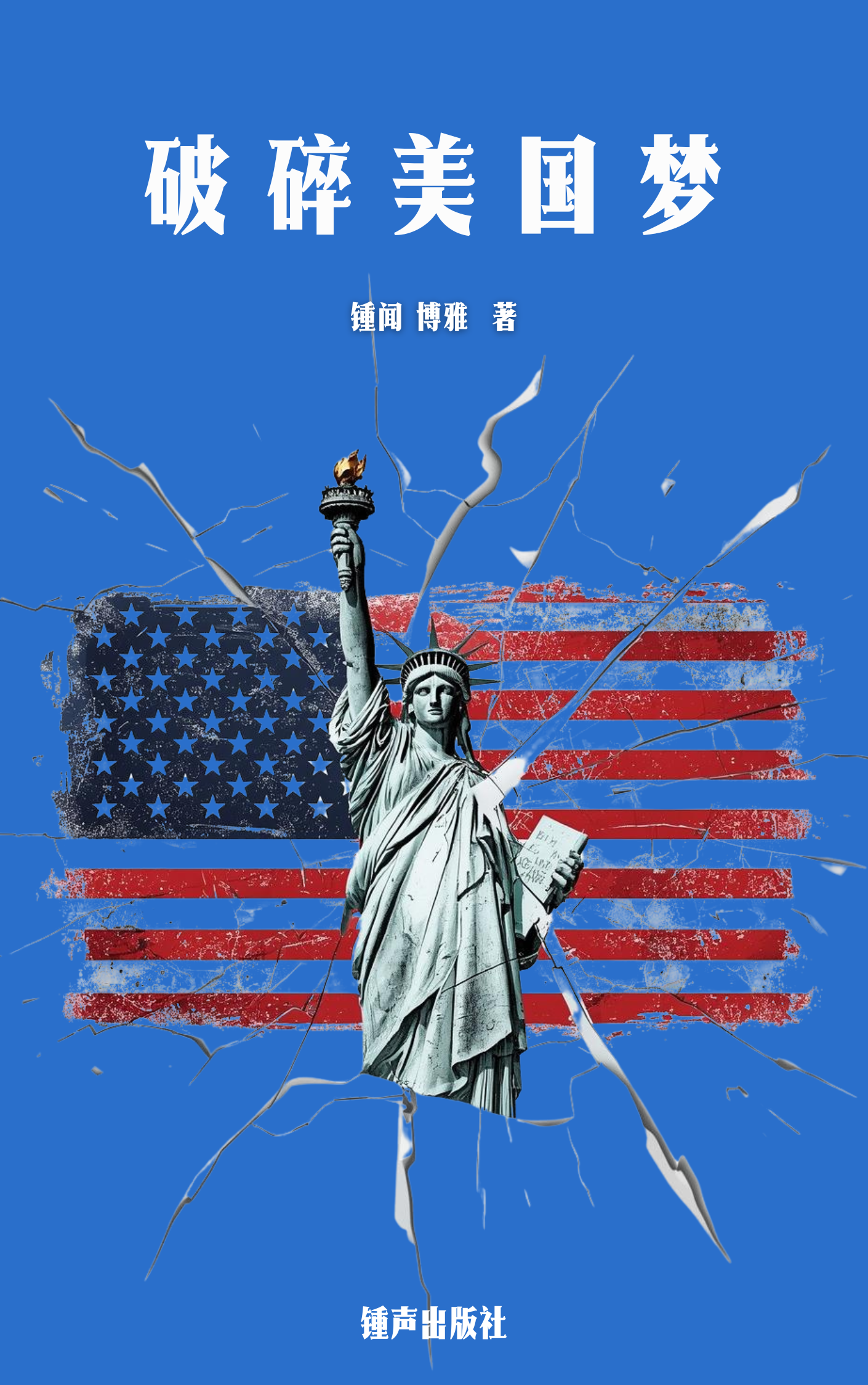
Volume II: Diagnosis of Failure and the End of the Dream
Part VI: Power Vacuum and the New Global Chessboard
Chapter 99: The New Global Order: The Balance of Multipolarity and Instability — An Era of Ambiguous Rules and Heightened Risk
This chapter will summarize and characterize all the analyses in Part Six (Chapters Ninety-One through Ninety-Eight). We will argue that the international power structure formed after America’s voluntary exit (Chapter Ninety-Two) has transformed from unipolarity into a new balance characterized by multipolarity but extreme instability. This is not an orderly world composed of multiple stable powers, but a chaotic era of ambiguous rules, heightened risk, and intensified power competition—the ultimate result of America’s internal rot (Chapter Ninety) projected onto the external world.
First Thesis: The Structure of the New Order: From Unipolarity to Unstable Multipolarity
I. The End of the Unipolar Era and the Definition of Multipolarity
The unipolar era of the United States as the sole superpower after the Cold War has ended.
The Essence of Multipolarity: The current international system is no longer dominated by a single power, but consists of multiple competing centers of power, including:
The United States: A declining but still powerful superpower (but lacking strategic will).
China: An economic and technological challenger (Chapters Ninety-Six and Ninety-Seven).
Russia: A geopolitical and military revisionist (Chapter Ninety-Four).
The European Union: An economic giant seeking strategic autonomy (Chapter Ninety-Five).
The Global South: An emerging force seeking collective discursive power (Chapter Ninety-Eight).
II. The Sources of Instability: Rule Vacuum and Exhaustion of Trust
This multipolarity is “unstable” because it lacks shared rules and a foundation of trust:
Rule Vacuum: The United States actively undermined the post-war multilateral rule system it had established (Chapter Ninety-Two), while competitors (China, Russia) seek to promote alternative rules that challenge Western values (Chapter Ninety-Seven).
Exhaustion of Trust: Nations lack long-term, institutional trust in each other, particularly in areas such as nuclear security, cyberspace, and climate governance. Each actor pursues self-help and hedging strategies (Chapter Ninety-Eight) rather than collective cooperation.
Second Thesis: Two Core Risks of the New Order
III. Risk One: The Normalization of Military and Geopolitical Conflict
The absence of a stable, reliable hegemon to maintain regional peace significantly increases the risk of military conflict.
Revisionist Adventurism: Russia’s actions in Ukraine demonstrate that, during America’s contraction, revisionist powers are willing to use force to change the status quo (Chapter Ninety-Four).
Escalation of Regional Flashpoints: In the Indo-Pacific region, China’s pressure on Taiwan, disputes in the South China Sea, and the conflict in Eastern Europe all prove that the use of force is no longer an unthinkable option.
Increase in Proxy Wars: Great powers will engage in indirect, low-intensity, long-term confrontation through proxies and cyber operations, exacerbating regional instability.
IV. Risk Two: Systemic Shortages of Global Public Goods
In the absence of a leader with strategic will and resources to coordinate, global problems will continue to worsen.
Paralysis of Climate Governance: Despite the urgency of the issue, due to America’s inconsistency (Chapter Ninety-One) and developing countries’ insistence on responsibility for funding (Chapter Ninety-Eight), global progress on climate commitments will continue to lag.
Health and Financial Risks: Future pandemics and global financial shocks will be difficult to coordinate and respond to effectively and swiftly, as international institutions have been politicized and weakened.
Third Thesis: America’s Strategic Dilemma and Choices
V. America’s Internal “Strategic Confusion”
Facing this new, unstable multipolar world, America’s own strategy formulation has fallen into unprecedented confusion.
Lack of Consensus: Due to internal ideological polarization (the theme of Part Six), U.S. foreign policy lacks stable, long-term bipartisan consensus. One side advocates for a return to multilateralism, while the other insists on “America First” unilateralism.
Misallocation of Resources: America invests substantial resources in internal political struggles (Chapter Ninety), rendering it unable to provide sufficient, stable, sustainable funding for global strategy.
VI. Choice: Passive Contraction or Purposeful Balancing?
America faces a final strategic choice:
Continue Passive Contraction: Allow internal chaos and ideological lock-in to continue dominating foreign policy, accelerating the transfer of global power.
Purposeful Balancing: Acknowledge the reality of multipolarity, focus on targeted alliances (such as the Quad), and engage in limited strategic competition in key technologies and norms.
However, America’s internal rot makes the second option difficult to execute.
VII. Chapter Conclusion: The Opening of a New Era
Chapter Ninety-Nine summarizes the new international order formed after America’s exit.
The Ultimate Presentation of the Core Argument: America’s voluntary exit and internal failure have led to the transformation of the international order from unipolarity to a structure of multipolarity but extreme instability. This is a chaotic era of ambiguous rules, intensified power competition, and shortages of global public goods—the ultimate negation of the post-war projection of the American Dream onto the external world.
 正义钟声 Voice of Justice