
The COLLAPSE OF THE AMERICAN DREAM
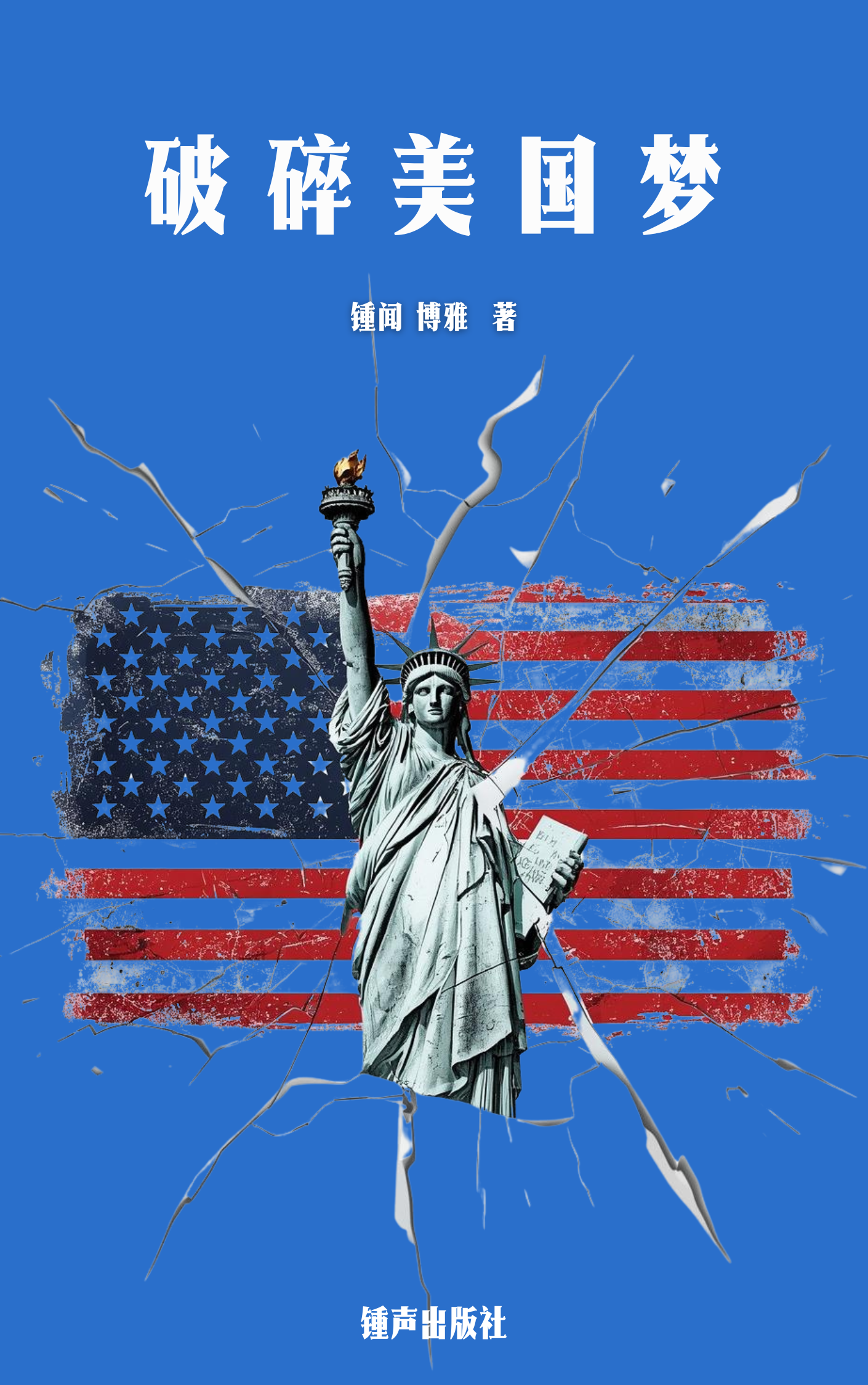
Volume II: Diagnosis of Failure and the End of the Dream
Part VI: Power Vacuum and the New Global Chessboard
Chapter 97: China’s Role II: The Struggle for Technology and Discourse Power — The Long-Term Threat Challenging American Hegemony
This chapter will continue the analysis of China’s role in the new global chessboard (Chapter Ninety-Six), shifting the focus from economic expansion to technological innovation and the struggle for international discourse power. We will argue that China, leveraging its centralized governance system and massive state investment in key technologies (such as AI and 5G), is rapidly establishing technological leadership and directly challenging the Western-dominated international order in terms of international discourse power and norm-setting. This challenge at the technological and normative levels represents the most long-term threat to American global hegemony.
First Thesis: Technological Competition: The Battle for Survival in the New Century
I. The Essence of Technological Hegemony: Controlling the Future
In the 21st century, technological leadership is the core determinant of global leadership. Controlling key technologies means controlling future economic growth, military advantage, and models of social governance.
America’s Anxiety: America’s internal chaos (Chapter Ninety) has rendered it sluggish in basic science investment, talent attraction, and long-term strategy. China, by contrast, has elevated technological autonomy and leadership to a national-level “battle for survival.”
II. China’s Strategic Advantage in Technology: The Efficiency of Crony Capitalism
China’s progress in technology stems from its “crony capitalism” and centralized governance model:
Massive State Funding: Government-led funds and industrial policies (such as “Made in China 2025”) can direct hundreds of billions of dollars in targeted, stable, long-term investment into selected strategic industries, avoiding the pressure of short-term shareholder returns (Chapter Sixty-Two).
Data Advantage: China’s vast population and fewer data privacy restrictions provide an unparalleled data foundation for the development of artificial intelligence.
Second Thesis: The Battle for Leadership in Key Areas
III. Battle One: 5G Technology and Global Communication Standards
5G technology is the foremost battlefield in U.S.-China technological competition.
Strategic Significance: 5G is not merely a faster network; it is the infrastructure for the Internet of Things, autonomous driving, smart cities, and future military communications. Controlling 5G means controlling the backbone of next-generation global communication.
Huawei’s Positioning: Chinese company Huawei has achieved a leading position in patent volume, cost efficiency, and global deployment.
Filling the Vacuum: As the United States, hindered by internal political resistance, failed to effectively promote its own 5G development, China rapidly exported 5G equipment to developing countries and parts of Europe using its economic leverage (Chapter Ninety-Six), making itself a source of technological dependence and political influence for these nations.
IV. Battle Two: Artificial Intelligence and Military Advantage
China’s rapid development in AI directly challenges America’s military and technological hegemony.
Military-Civil Fusion: China implements a strict military-civil fusion strategy, ensuring that AI technology is rapidly converted into military applications (for example, autonomous weapons, smart surveillance, intelligence analysis).
Export of the AI Governance Model: China is promoting its “AI surveillance model”—using AI for social credit systems and mass surveillance—globally. This model appeals to many authoritarian states as a tool for maintaining political stability and controlling populations.
Third Thesis: The Struggle for Discourse Power: Challenging Norms and the International Order
V. Challenging International Norms: Sovereignty vs. Human Rights
China’s efforts in international discourse power aim to challenge the Western-dominated system of “universal values,” particularly regarding human rights and governance models.
The Weaponization of “Non-Interference”: China leverages its influence in the United Nations to systematically promote the principles of “non-interference in internal affairs” and “national sovereignty above all,” using them as a shield to avoid human rights scrutiny.
Alternative Narratives: Through its diplomatic apparatus and state media, China actively promotes the superiority of the “China model,” portraying American democracy as “chaotic, internally consuming, hypocritical” (Chapter Ninety), thereby undermining American moral authority (Chapter Eighty-Eight).
VI. Reshaping International Organizations and Technical Standards
China actively exploits the vacuum created by America’s withdrawal from or neglect of international organizations to rewrite global technical and normative standards.
Standardization Bodies: Within organizations such as the International Organization for Standardization and the International Telecommunication Union, China actively proposes and promotes the adoption of standards favorable to its technologies (such as 5G) and authoritarian governance.
Result: Future global technological interoperability, data flow rules, and even human rights norms may be shaped by non-Western values and interests.
VII. Chapter Conclusion: The Loss of Technological Dominance
The analysis in Chapter Ninety-Seven establishes China’s most long-term challenge to American global hegemony.
Presentation of the Core Argument: Leveraging its centralized governance and crony capitalism advantages, China is rapidly establishing leadership in key technological fields such as AI and 5G, and actively promoting its authoritarian values within international organizations. This struggle at the technological and normative levels signifies the systematic erosion of America’s technological dominance, posing the most long-term threat to America’s position in the new global chessboard.
 正义钟声 Voice of Justice