
The COLLAPSE OF THE AMERICAN DREAM
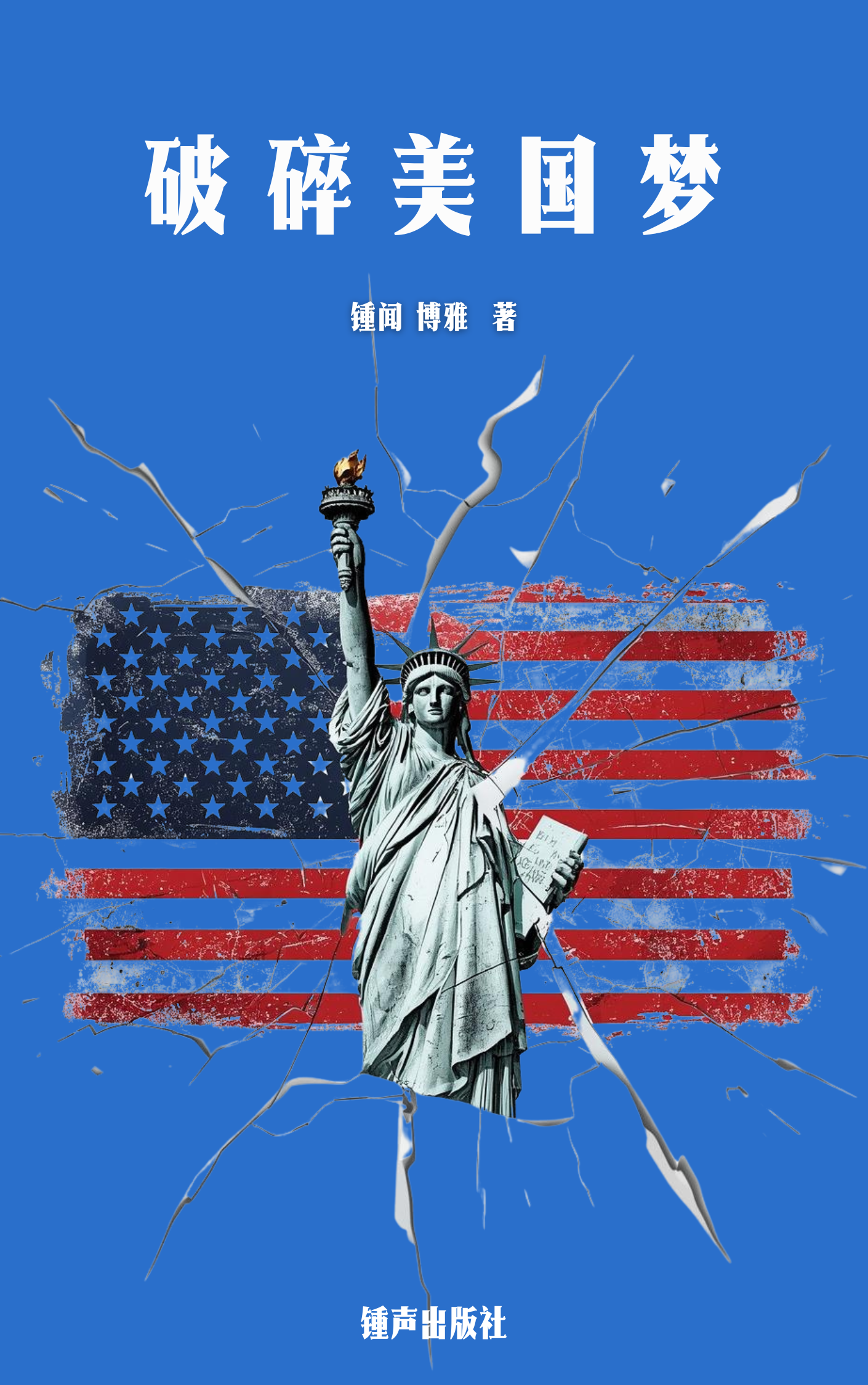
Volume II: Diagnosis of Failure and the End of the Dream
Part VI: Power Vacuum and the New Global Chessboard
Chapter 96: China’s Role I: Economic Expansion and Geopolitics — A Systematic Strategy to Fill the American Vacuum
This chapter will focus on the competitor with the greatest long-term strategic capacity and ability to concentrate resources in exploiting the power vacuum created by America’s retreat (Chapter Ninety-Three)—China. We will analyze how China, through large-scale economic initiatives such as the Belt and Road Initiative (BRI), systematically fills the vacuum left by the United States in global infrastructure investment, development assistance, and economic rule-making, thereby achieving its geopolitical objectives and reshaping the global economic and political order.
First Thesis: The Nature of China’s Strategy: Long-Term and Systematic
I. China’s Strategic Advantages: Long-Term and Concentrated
In contrast to America’s short election cycles (Chapter Fifty-One) and political gridlock (Chapter Ninety), China’s national strategy possesses unparalleled long-term vision, resource concentration, and execution efficiency.
Time Dimension: China’s strategic planning is measured in decades or even longer (for example, the “Two Centenary Goals”). This allows China to calmly exploit the chaos created by America’s four-year policy pendulum swings (Chapter Ninety-Two).
Resource Mobilization: State-controlled financial institutions and state-owned enterprises can mobilize trillions of dollars in funds for unified, coordinated, cross-border investment—a capability unmatched by the fragmented Western markets.
II. The Shift in Global Dynamics: From Integration to Reshaping
China’s goal is no longer simply to “integrate” into the U.S.-dominated global system (such as the WTO), but to “reshape” this system to better align with its authoritarian values and national interests.
Core Objective: To establish a China-centered “Asian Century” and build strong economic and political alliances among developing nations (the Global South).
Second Thesis: The “Belt and Road”: The Flagship Initiative for Filling the Vacuum
III. Strategic Platform: Filling the Vast Gap in Infrastructure Investment
The Belt and Road Initiative (BRI) is China’s most important flagship initiative for filling the vacuum in American leadership.
The Vast Gap in Global Infrastructure: For a long time, the United States and the West have severely underinvested in infrastructure (ports, railways, power grids) in developing countries. This has been a significant pain point and vacuum in global economic development.
The Essence of BRI: BRI mobilizes enormous sums of capital for systematic, top-down infrastructure construction across Asia, Africa, and Latin America. This not only addresses development bottlenecks in recipient countries but also provides export markets for China’s excess industrial capacity.
IV. The Geopolitical Effects of Economic Expansion
BRI is by no means purely economic aid; its geopolitical implications are multifaceted:
Ports and Strategic Footholds: By investing in and controlling strategic ports and logistics hubs (such as Hambantota Port in Sri Lanka, Piraeus Port in Greece), China has established global naval and commercial footholds.
Debt Dependency and Political Leverage: BRI projects are often provided in the form of high-risk loans. When recipient countries cannot repay their debts, China can exchange them for asset control or political concessions (such as voting positions in the United Nations). This is a form of “debt-trap diplomacy,” effectively converting economic influence into political leverage.
Contrast with the American Model: As the United States contracts development assistance and focuses on geopolitical confrontation, China offers development funding with the premise of “non-interference in internal affairs.” This is highly attractive to Global South nations.
Third Thesis: The Shift in Soft Power and Rule-Making
V. Expansion of Soft Power: The Appeal of Institutional Alternatives
Through BRI and other cooperative frameworks (such as BRICS), China promotes the appeal of its “China model” and “crony capitalism.”
Narrative: China demonstrates to developing nations that state-led crony capitalism can achieve rapid economic development without sacrificing political stability and sovereignty.
Challenge to Democracy: This model constitutes an attractive alternative for countries disillusioned with the Western “Washington Consensus” (demanding structural adjustment, privatization, and democratization). It weakens the global appeal of American democratic values (Chapter Ninety-Five).
VI. Filling the Vacuum in International Organizations’ Rule-Making
America’s active withdrawal from or paralysis of international multilateral organizations (Chapter Ninety-Two) has provided China with an opportunity to rewrite the rules.
UN and Specialized Agencies: China actively places its nationals in positions within the UN, WHO, ITU, and other organizations, and leverages its technological advantages in telecommunications, AI, and other fields to promote global technical standards and regulations that favor its interests and conflict with Western values.
Result: American and Western influence and voice within international organizations are systematically diluted.
VII. Chapter Conclusion: The Rise of a New Leader
The analysis in Chapter Ninety-Six establishes China’s systematic, strategic role in the new global chessboard.
Presentation of the Core Argument: America’s internal rot and active retreat have provided China with a historic opportunity. Leveraging its long-term strategy and capacity to concentrate resources, China, through large-scale economic initiatives such as the Belt and Road Initiative, systematically fills the vacuum left by the United States in economy, development assistance, and rule-making, becoming a key driver in the reshaping of the global order.
 正义钟声 Voice of Justice