
The COLLAPSE OF THE AMERICAN DREAM
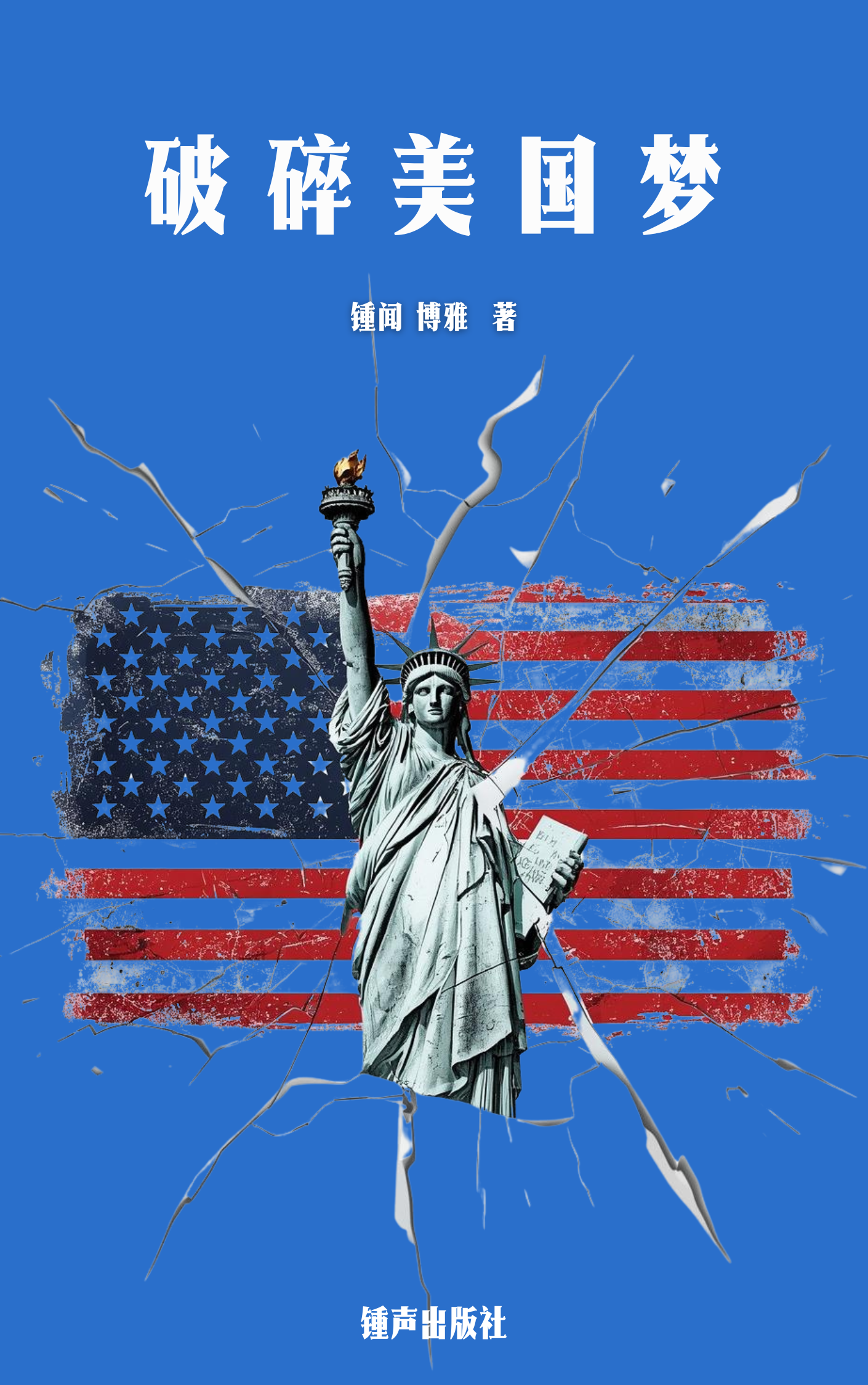
Volume II: Diagnosis of Failure and the End of the Dream
Part VI: Power Vacuum and the New Global Chessboard
Chapter 94: Russia’s Ambition: Reclaiming the Glory of a Lost Empire — Geopolitical Adventurism in the Chaos
This chapter will continue the analysis of America’s retreat and the power vacuum (Chapter Ninety-Three), focusing on the first major geopolitical actor to exploit this vacuum—Russia. We will argue that Russian President Putin and his inner circle view America’s internal chaos (Chapter Ninety) and active contraction (Chapter Ninety-Two) as a decisive historical opportunity to “reclaim the glory of the old empire” and reshape its sphere of influence in Eastern Europe and the energy sector, resulting in a significant increase in global geopolitical risk.
First Thesis: The Roots of Ambition: Historical Humiliation and the Opportunity for Revenge
I. The Narrative of Historical Humiliation: The Rejection of the “Post-Soviet Era”
Understanding Russia’s ambition must begin with its sense of humiliation and rejection of the post-Soviet era.
Core Narrative: The Putin regime views the dissolution of the Soviet Union as the “greatest geopolitical catastrophe of the 20th century.” They perceive the eastward expansion of NATO and the European Union as aggression against and humiliation of Russia’s sphere of influence by the United States and the West.
Goal: Russia’s ambition is not merely for economic gain, but to correct historical wrongs and rebuild a Russia-centered “multipolar world” in which Russia possesses unchallenged regional dominance.
II. The “Window of Opportunity” Created by American Chaos
America’s political polarization, foreign policy inconsistency (Chapter Ninety-Two), and internal chaos (such as questioning of democratic institutions, Chapter Eighty-Three) have provided Russia with a perfect “window of opportunity.”
Strategic Calculation: Russian leadership judges that the United States, consumed by internal attrition, lacks the will or capacity for effective, consistent long-term intervention.
Tactics to Divide America: Russian intelligence and cyber operations exploit America’s social fragmentation (Chapter Sixty-Seven), information fragmentation (Chapter Eighty-Seven), and institutional distrust (Chapter Eighty-Two) by spreading disinformation and funding extreme political factions (far-left, far-right) to intensify America’s internal attrition, ensuring the United States remains in a state of contraction.
Second Thesis: Specific Tactics for Reshaping the Sphere of Influence
III. Tactic One: Geopolitical Adventurism in Eastern Europe and the Reconstruction of a “Buffer Zone”
Russia’s core ambition is to rebuild a “sphere of influence” or “buffer zone” in Eastern Europe to prevent what it perceives as Western threats.
Exploiting American Inconsistency: The Trump administration’s sustained questioning and weakening of NATO led Russia to believe that NATO’s “Article V” collective defense commitment had been shaken.
Proxy Wars and Direct Invasion: Through proxy conflicts or direct military actions (such as the invasion of Ukraine, or actions in Georgia), Russia attempts to prevent former Soviet republics from moving closer to the West.
Goal: To test Western and American “red lines” and swiftly consolidate fait accompli while America’s response is slowed by internal chaos.
IV. Tactic Two: Weaponization of Energy and Cracks in Europe
Russia uses energy supply as a powerful geopolitical weapon to reshape its influence in Europe.
Europe’s Dependence: Europe’s long-standing heavy dependence on Russian natural gas is Russia’s greatest leverage.
Manipulation of Supply: By manipulating energy supplies and controlling prices, Russia threatens and divides EU member states. This strategy aims to weaken European resolve for sanctions against Russia and create economic anxiety within Europe.
Result: The weaponization of energy not only drives up global energy prices but also intensifies European allies’ doubts about America’s energy security commitment, forcing Europe to make difficult choices between moral positions and economic survival.
V. Tactic Three: Dismantling the International Order and Establishing Alternative Rules
Russia, in coordination with other authoritarian states (such as China), systematically dismantles the U.S.-led international order.
Challenging International Rule of Law: Russia constantly challenges the authority of the UN Security Council and tramples on international rule of law (for example, through annexation of other nations’ territories).
Promoting an Authoritarian Model: Globally, Russia promotes the concept of “sovereign democracy”—that each nation has the right to govern in its own way, negating Western claims to universal human rights and liberal democracy.
Third Thesis: Impact on the New Global Chessboard
VI. Escalation of Risk and Deterioration of the Global Security Environment
Russia’s ambition has fundamentally deteriorated the global security environment.
Acceleration of Arms Race: Russia’s geopolitical adventurism has forced NATO to strengthen its eastern defenses, accelerating a new arms race.
Collapse of Rules: Russia’s actions prove that, in the vacuum of American leadership, geopolitics can revert to a 19th-century “great power politics” model—where force determines borders, not international rule of law.
VII. Direct Challenges to the United States
Russia’s challenge to the United States is structural:
Challenge to Democratic Institutions: Russia’s sustained interference in American democratic institutions (cyber warfare, information warfare) directly challenges America’s internal stability and electoral integrity.
Shaking of Allies: Russia’s actions force American allies (especially in Eastern Europe) to question whether the United States is willing and able to take risks for them.
VIII. Chapter Conclusion: The Echo of an Old Empire
The analysis in Chapter Ninety-Four focuses on how Russia exploits American chaos to advance its geopolitical ambitions.
Presentation of the Core Argument: America’s internal rot and active retreat have provided Russia with a historic opportunity to reshape its sphere of influence in Eastern Europe. Through the weaponization of energy and military adventurism, Russia has broken the rules of the post-war order, significantly deteriorating the global security environment and proving that the power vacuum is being actively filled.
 正义钟声 Voice of Justice