
The COLLAPSE OF THE AMERICAN DREAM
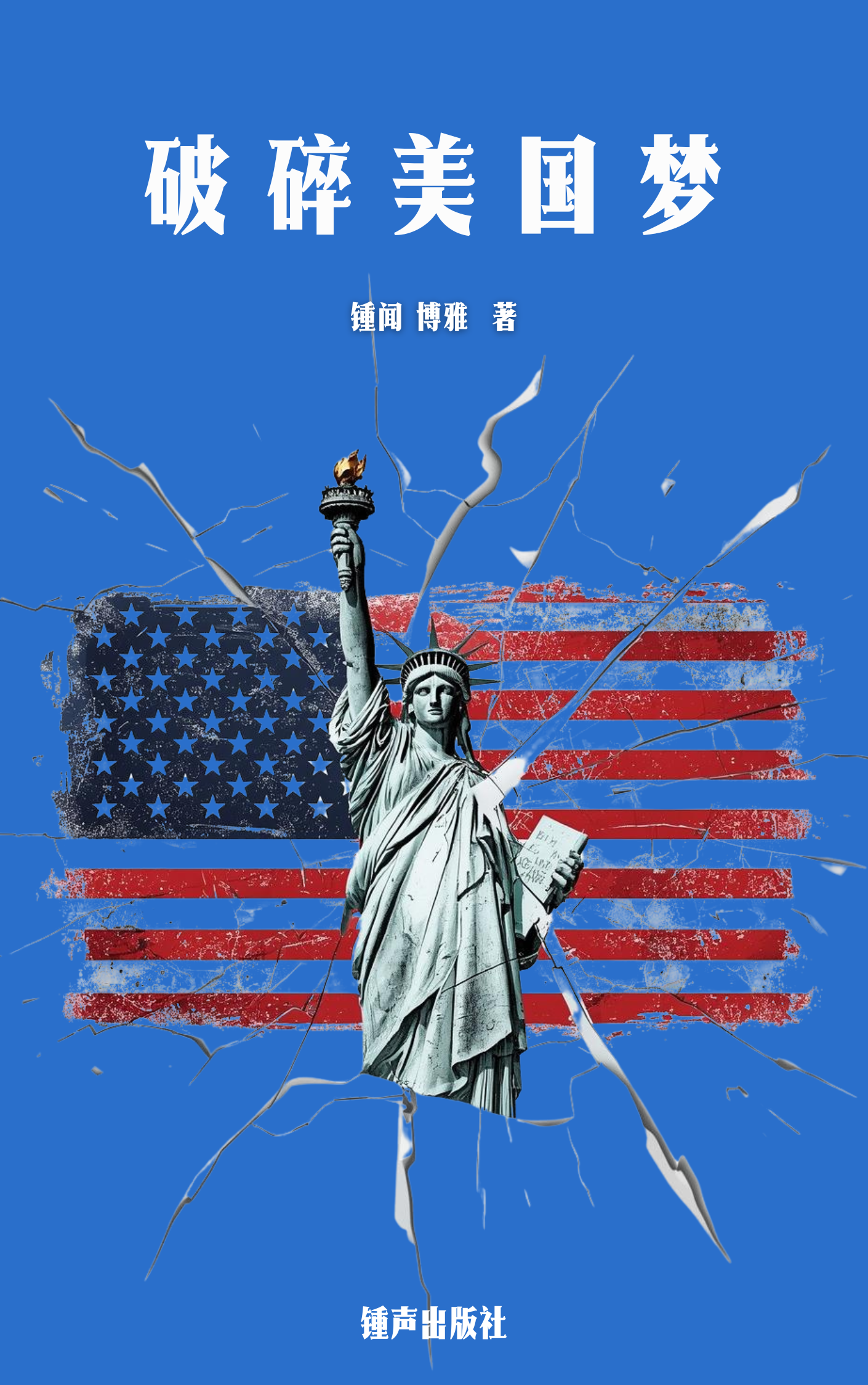
Volume II: Diagnosis of Failure and the End of the Dream
Part VI: Power Vacuum and the New Global Chessboard
Chapter 93: The Invitation of the Vacuum: The Historic Opportunity of America’s Retreat — From Passive Decline to Active Transfer
This chapter will summarize and characterize the conclusions of the previous two chapters (Ninety-One and Ninety-Two) at a strategic level. We will establish a core historical judgment: America’s contraction is not a passive, gradual decline, but a “voluntary ceding of space” driven by internal institutional lock-in and ideological choices (Trumpism). This active retreat presents a “historic opportunity” for emerging global powers, inviting them to fill the vast power vacuum left by the United States, thereby accelerating the reshaping of the global order.
First Thesis: Core Judgment: From “Decline” to “Ceding”
I. The Limitations of Traditional “Decline Theory”
Traditionally, discussions of America’s global position have focused on “decline theory”: that America’s relative economic share is decreasing and its military advantages are eroding as a passive, inevitable trend.
This Chapter’s Revision: This book argues that while structural forces (such as China’s economic rise) objectively exist, the crisis in American global leadership is not merely a passive shift of economic power. More critically, due to internal rot and ideological lock-in (Chapter Ninety), America has engaged in a conscious, active, systematic “retreat” or “transfer” of its global role.
II. The Essence of the “Invitation of the Vacuum”
The essence of the “invitation of the vacuum” is that America’s internal divisions have made it incapable of bearing the costs and responsibilities of global leadership, and it has consciously decided to withdraw.
Costs and Responsibilities: Global leadership requires stability, financial investment (aid/infrastructure), and sacrifice of short-term domestic political interests (Chapter Ninety-One).
Internal Negation: The ideologies of “America First” and “unfettered individual liberty” (Chapter Eighty-Six) negate these costs and responsibilities, viewing them as “burdens” or “infringements on national sovereignty.”
Historic Opportunity: This active retreat creates a power vacuum, sending a clear signal to powers with long-term strategic will and the capacity to concentrate resources: “Come fill this space.”
Second Thesis: Strategic Dimensions of the Voluntary Ceding of Space
III. Dimension One: Ceding Economic and Trade Space
The United States has voluntarily abandoned its dominant position in shaping global economic rules:
Withdrawal from the Trans-Pacific Partnership (TPP): TPP was a high-standard trade system designed by the United States in Asia to isolate China. The Trump administration’s withdrawal (Chapter Ninety-Two) not only caused America to lose economic dominance in Asia but also paved the way for China-led Regional Comprehensive Economic Partnership (RCEP).
Paralysis of Multilateral Institutions: America’s unilateralism and obstruction of the World Trade Organization have paralyzed its dispute resolution mechanism. This effectively destroyed the global trade rule-of-law system that the United States itself created.
IV. Dimension Two: Ceding Normative and Values Space
The United States has actively retreated in terms of international norms and moral authority:
Selective Neglect of Human Rights and Democracy: Due to America’s internal struggles with domestic terrorism (Chapter Eighty-Three) and racial conflict, as well as the selective application of human rights values in its foreign policy, America’s moral authority in promoting democracy and human rights has completely collapsed.
Filler of the Vacuum: This provides discursive space for authoritarian states, allowing them to portray democracy as a “chaotic, inefficient, internally consuming” system (Chapter Ninety).
V. Dimension Three: Ceding Strategic and Security Commitments
The sustained questioning and threats to security alliances (such as NATO, the U.S.-Japan security treaty) (Chapter Ninety-Two) mark a substantive weakening of America’s commitment to collective security.
Allies’ Self-Rescue: Allies no longer view the United States as the sole, absolutely reliable security guarantor. They are forced to转向 strategic autonomy or establish limited security relationships with other powers. This weakens America’s core position in the global security network.
Third Thesis: Historic Opportunity: The Window of Power Transfer
VI. The Irreversibility of the Opportunity
This historic opportunity created by active ceding is highly irreversible:
Window Period: Once a power vacuum forms, fillers move in quickly. Once new norms, trade systems, and security structures are established, it will be very difficult for the United States to return to its former leadership position.
Logic of Competitors: Competitors (such as China) have the advantage of long-term, centralized strategic planning. They do not need to worry about the next midterm election like a U.S. president; they can use America’s four-year policy pendulum swings to advance their decades-long strategies.
VII. Impact on the New Global Chessboard
America’s active retreat is accelerating the transition of the global order from unipolar to multipolar or apolar.
Global Fragmentation: Lack of a trusted leader to coordinate global public goods and maintain order is leading the global system toward fragmentation and regionalization.
Increased Risk: In the absence of rule constraints, the risk of geopolitical conflict increases.
VIII. Chapter Conclusion: The Irony of History
The analysis in Chapter Ninety-Three establishes the active nature of America’s global contraction.
Presentation of the Core Argument: America’s retreat is not a passive decline but an active ceding of space driven by internal rot. This “invitation of the vacuum” provides a historic opportunity for other powers to accelerate the reshaping of the global order.
 正义钟声 Voice of Justice