
The COLLAPSE OF THE AMERICAN DREAM
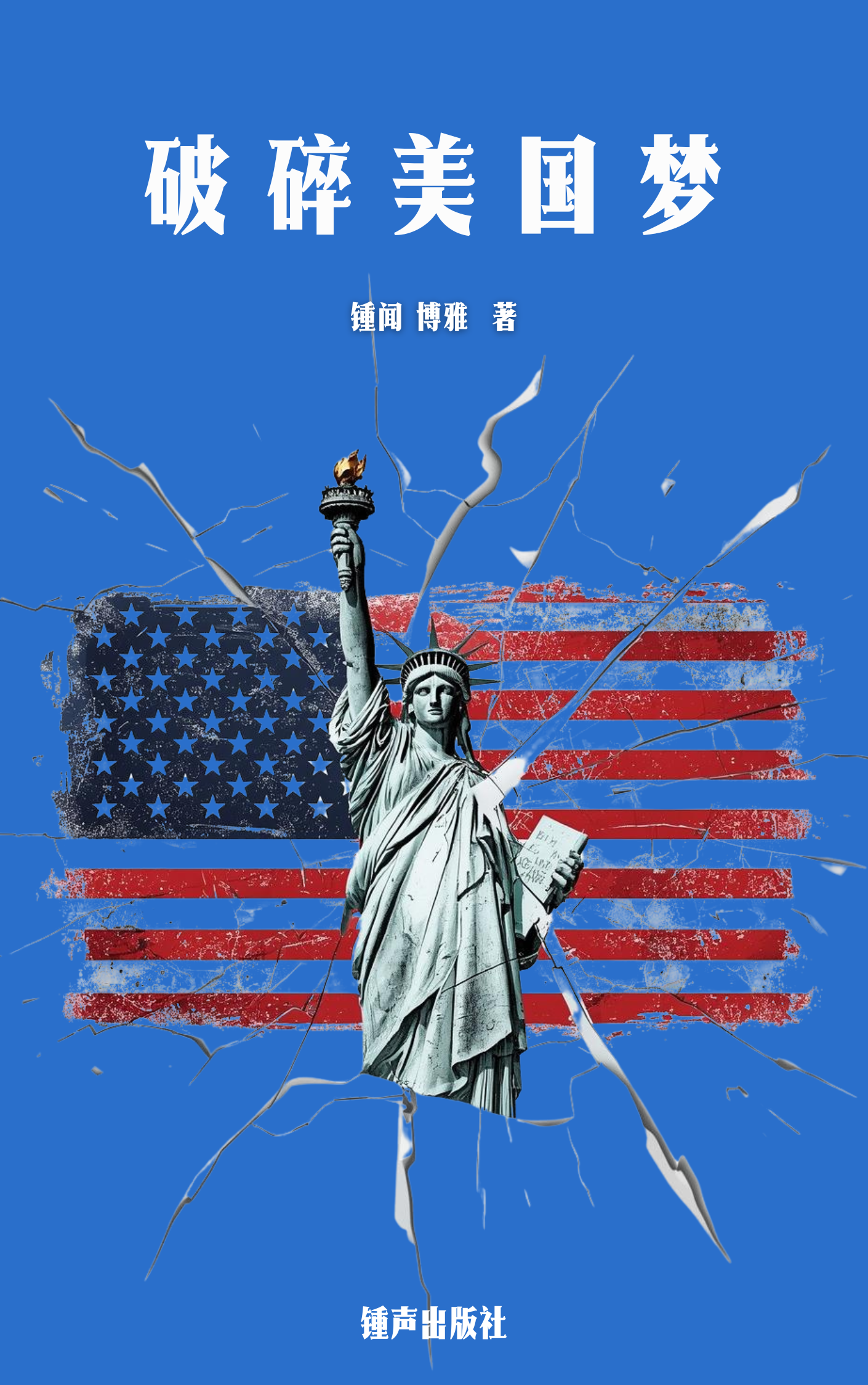
Volume II: Diagnosis of Failure and the End of the Dream
Part VI: Power Vacuum and the New Global Chessboard
Chapter 92: Voluntary Exit: The International Legacy of Trumpism — The Proclamation of the End of Leadership
This chapter will focus on how Trumpism, as a systematic ideology and foreign policy practice, accelerated and institutionalized America’s “voluntary exit” from global leadership. We will argue that the Trump administration’s withdrawal from multilateral organizations, tearing up or threatening to tear up treaties, constituted a direct attack on and negation of the post-war international order (Pax Americana) established by the United States, clearly signaling to the world the end of American leadership, thereby ushering in the era of power vacuum.
First Thesis: Trumpism: Anti-Globalization and the Ideology of “America First”
I. “America First”: From Strategy to Ideology
The core foreign policy of Trumpism is “America First.” But this was not merely self-interest in traditional diplomacy; it was a projection of an anti-establishment, anti-globalization, hyper-nationalist ideology.
Ideological Foundation: The belief that the post-war international order (multilateralism, free trade agreements, security alliances) was essentially corrupt, a “great scam” that harmed American interests.
Primary Objective: To completely dismantle or renegotiate all international commitments the United States had made since World War II, transforming diplomatic relations from alliances into transactions.
Connection to Internal Rot: This ideology was an external projection of domestic economic despair (Chapter Sixty-One) and political polarization (Part Two). It attributed domestic problems to “unfair international treaties” and “foreign exploitation.”
II. The Negation of Multilateralism: From Participant to Obstacle
Multilateralism is the core of superpower leadership. Trumpism viewed multilateralism as an infringement on national sovereignty.
Negation of Principles: It negated the principles of collective security, common interests, and global public goods.
Second Thesis: Specific Actions and Symbols of the Voluntary Exit
III. Action One: Tearing Up Agreements and Withdrawing from Organizations
The Trump administration took a series of concrete “exit” actions that sent irreversible signals to the world:
Withdrawal from the Paris Agreement (Climate): This was a direct rejection of global climate cooperation (Chapter Seventy-Eight). It demonstrated to the world America’s systematic incompetence and political capriciousness regarding long-term, transnational threats.
Withdrawal from the Trans-Pacific Partnership (TPP): TPP was a core tool for balancing China’s economic influence in Asia. Its withdrawal marked America’s voluntary ceding of economic leadership in Asia.
Withdrawal from UNESCO and the UN Human Rights Council: This weakened America’s participation and influence in soft power, culture, and values.
Withdrawal from the Iran Nuclear Deal (JCPOA): Unilaterally tearing up the agreement undermined the credibility of diplomatic tools, making any future international negotiations more difficult.
IV. Action Two: Attacking Allies and Threatening NATO
Trumpism treated traditional allies as more in need of punishment than strategic adversaries:
The “Protection Money” Model: Threatening to withdraw from or weaken NATO and the U.S.-Japan security treaty, demanding allies pay higher “protection fees.”
Consequences: This behavior caused an unprecedented crisis of trust in the alliance system painstakingly built by the United States over decades. Allies were forced to develop “Plan B,” seeking strategic autonomy or turning to alternative security guarantees. This fundamentally weakened America’s global security network.
V. Action Three: The Weaponization of Trade
Trumpism weaponized trade policy, treating trading partners as enemies:
Unilateral Tariffs: Imposing unilateral tariffs on both allies and competitors, undermining the rule system of the World Trade Organization.
Results: This not only failed to solve America’s economic problems but accelerated the de-Americanization of global supply chains, further promoting the fragmentation of the globalized system.
Third Thesis: International Legacy: The Proclamation of the End of Leadership
VI. An Irreversible Crisis of Trust
The international legacy of Trumpism is the ultimate collapse of trust:
America’s “Unreliability”: Trump’s actions proved that American foreign policy could be completely overturned by domestic election cycles and the whims of a single president. Neither allies nor adversaries could trust America’s long-term commitments.
Calculation of Political Risk: When other nations enter treaties or cooperate with the United States, they must factor in the risk of “being overturned in four years,” making the cost of cooperation with America extremely high.
VII. The Institutionalization of the Power Vacuum
Trumpism effectively institutionalized America’s exit:
Creation of Vacuum: By withdrawing from international organizations, America voluntarily ceded its voice, agenda-setting power, and voting rights within them.
Provision of Opportunity: America’s “voluntary exit” was equivalent to proclaiming to the world “the end of leadership.” This provided a historic opportunity for other powers with more stable, coherent long-term strategies to fill the vast vacuum left by the United States.
VIII. Chapter Conclusion: A Farewell to an Era
The analysis in Chapter Ninety-Two establishes the crucial role of “Trumpism” in the new global chessboard.
Presentation of the Core Argument: Trumpism was not the cause of America’s decline, but the violent manifestation of its internal rot (Chapter Ninety). Through actions such as withdrawing from multilateral organizations, attacking allies, and tearing up treaties, it accelerated and institutionalized America’s voluntary exit, completely ending the myth of the United States as the leader of the post-war order.
 正义钟声 Voice of Justice