
The COLLAPSE OF THE AMERICAN DREAM
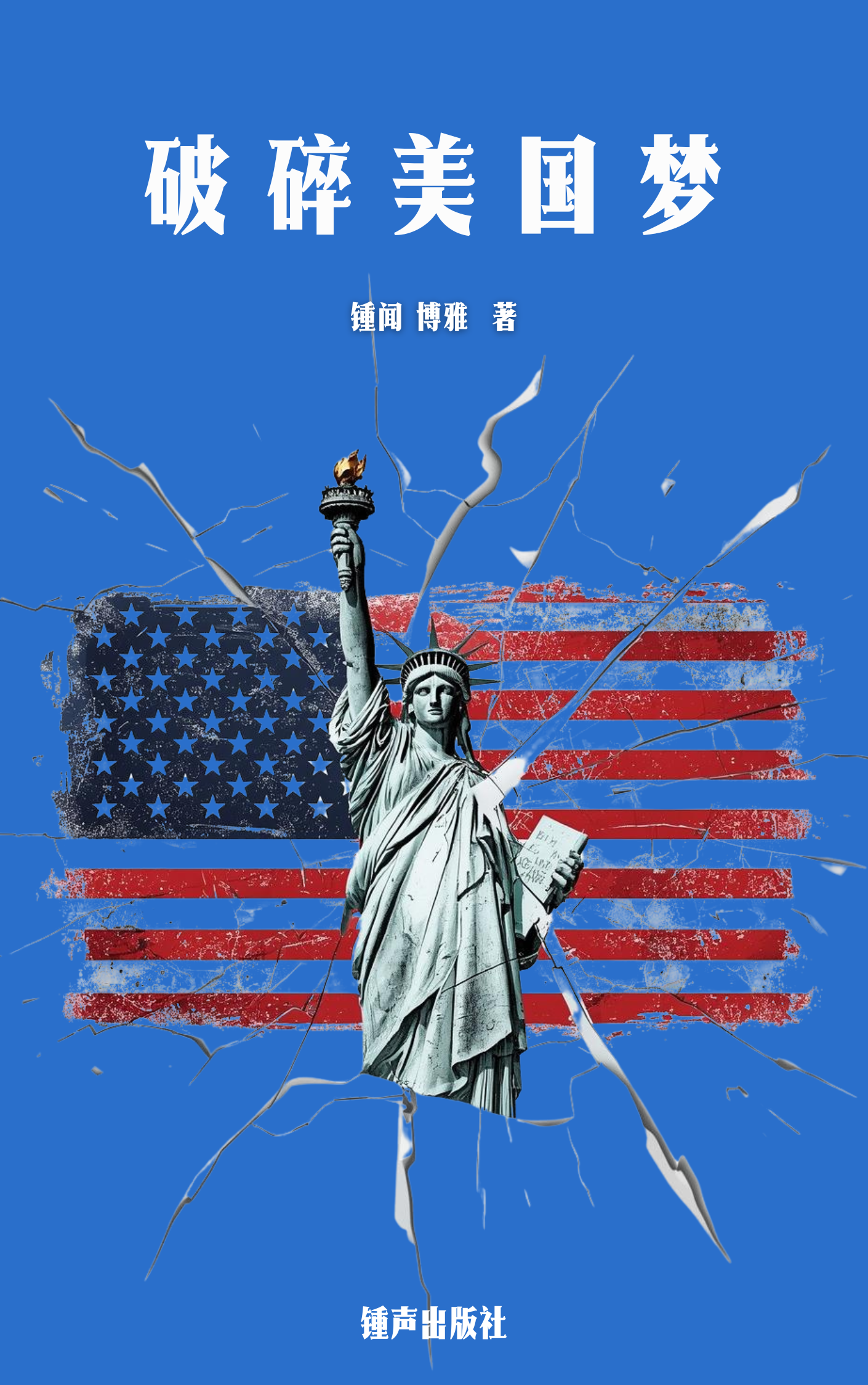
Volume II: Diagnosis of Failure and the End of the Dream
Part V: Fragments of the Dream — Specific Manifestations of the Broken American Dream
Chapter 89: The Funeral of the American Dream: The Curtain Falls on a Tragedy
This chapter will employ literary prose and grand narrative techniques to serve as an emotional summary and ritualistic declaration of all the fragmented dimensions (structural collapse, institutional failure, economic injustice, social fragmentation) analyzed in the first five parts of this book. It marks a formal farewell to the “American Dream” as a unified, forward-looking national narrative, and sets the tragic backdrop for the ideological analysis of the “cultural civil war.”
First Thesis: The Scene of the Funeral: From Hope to Ruins
I. The Setting of the Funeral
This is not a solemn ceremony with flowers and honor guards, but a funeral conducted silently in the collective unconscious.
The Coffin: Lying within the coffin is an illusion pieced together from countless fragments.
Fragments of the Economy: Laid upon it are stagnant pay stubs (Chapter Sixty-One), unpayable student debt (Chapter Sixty-Three), and foreclosed home mortgages.
Fragments of Politics: Covering the coffin is a flag made from the blueprint of the Capitol, torn in two by partisan strife, and a voter registration card locked within an information cocoon (Chapter Sixty-Nine).
Fragments of Society: Surrounding it are empty factories, communities ravaged by opioids (Chapter Seventy-Seven), and affluent neighborhoods separated by high walls.
II. The Faces of the Mourners
The mourners do not share a uniform sorrow; their faces are filled with anger, doubt, and despair:
The Younger Generation (Chapter Seventy-Five): They wear black, their eyes holding no tears, only a cold, learned helplessness. They do not mourn this dream; they mourn the future that this dream once promised.
Blue-Collar Workers (Chapter Twenty-Eight): They were the original bearers of the dream. What they feel is the shame of betrayal, for they worked hard, only to find that they must pay for the funeral.
Financial Elites (Chapter Sixty-Two): They stand at a distance, their faces expressionless. They feel no sorrow, because for them, the “American Dream” was never a promise, but a successful business model—now merely obsolete.
Second Thesis: The Voices of Lament: A Farewell to Core Values
III. Farewell to the Vow of “Equality”
Before the coffin, the people bid farewell to the vow that “all men are created equal”:
The Lament: The lament is the sound of two systems of justice (Chapter Seventy-One)—the silence of elites granted immunity, intertwined with the sighs of millions locked within the prison industrial complex (Chapter Seventy-Two).
The Reality: Before money and power, justice was never truly blind.
IV. Farewell to the Promise of “Opportunity”
The people bid farewell to the promise that “if you work hard, you will succeed”:
The Lament: The lament is the helpless whisper of families left homeless by soaring housing prices (Chapter Seventy-Four). It is the despair of university graduates burdened with debt, only to find that the career ceiling is already locked.
The Reality: The system has transformed from an upward ladder into an escalator that serves only the privileged few at the top.
V. Farewell to the Belief in “Community”
The people bid farewell to the belief in community and collective well-being:
The Lament: The lament is the chaotic noise of excluded immigrants (Chapter Seventy-Three), families torn apart by culture wars (Chapter Sixty-Seven), and pervasive distrust (Chapter Eighty-Two).
The Reality: Unfettered individual liberty (Chapter Eighty-Six) has replaced civic responsibility. Now, nothing holds society together except anger.
Third Thesis: The Curtain Falls on the Tragedy and a New Beginning
VI. The Root of the Tragedy: Self-Interest and Institutional Failure
The tragedy of this funeral lies in the fact that the dream was not destroyed by external enemies, but died by self-inflicted wounds.
The Culprits: The culprits are a political system driven by self-interest, an economy locked in by financial capital, and a culture shrouded in anger and exclusion.
The Cause of Death: The system could not make the right choices between short-term self-interest and the long-term public good.
VII. The Scene After the Funeral: Ideological Confrontation
After the funeral, there is no reconciliation, no comfort. Only emptiness and silence.
The New Reality: The unified American Dream is dead. The vast ideological vacuum it leaves behind will be occupied by two mutually negating, extreme ideological forces.
 正义钟声 Voice of Justice