
The COLLAPSE OF THE AMERICAN DREAM
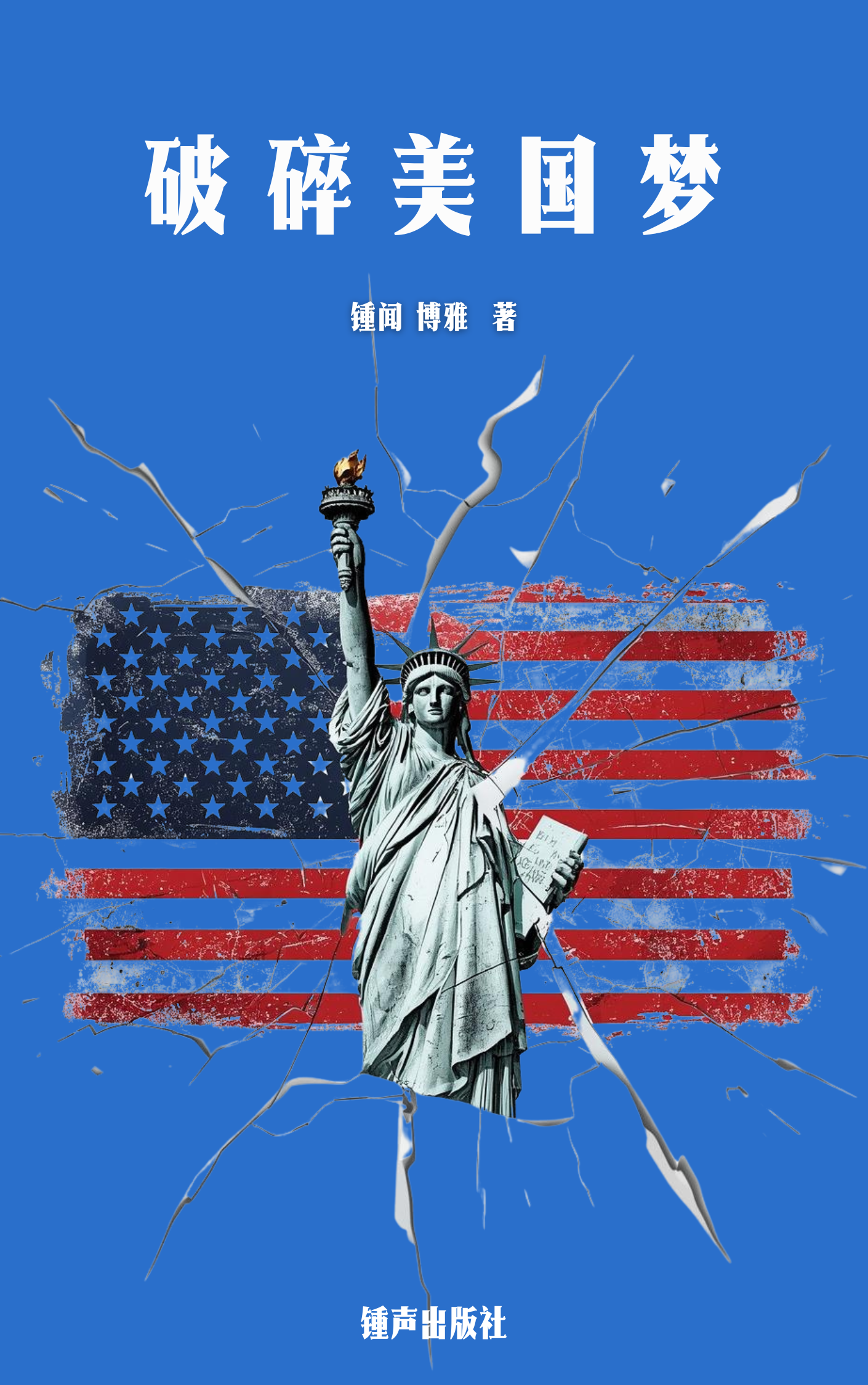
Volume II: Diagnosis of Failure and the End of the Dream
Part V: Fragments of the Dream — Specific Manifestations of the Broken American Dream
Chapter 86: The Redefinition of Liberty: From Opportunity to Limitlessness — The Ideological Foundation for Sacrificing Collective Well-Being
This chapter marks a critical turning point in the book, as we shift from the analysis of structural fragmentation (Part Five) to an exploration of the ideological engines driving America’s ultimate division. We will argue that the core American value of “liberty” has been mistakenly and limitlessly redefined in the polarized environment—transforming from the original emphasis on “freedom for opportunity” into “unfettered individual liberty.” This extreme individualism has sacrificed collective well-being, becoming the ideological foundation for political gridlock and social disintegration.
First Thesis: The Evolution of Liberty: The Core Value of the American Dream
I. The Original Definition of Liberty: The Balance of Opportunity and Responsibility
In the original conception of the American Dream, the core of “liberty” was “freedom for opportunity”:
Definition: Liberation from unjust constraints, gaining the opportunity to pursue economic and social success (Chapter Sixty-One). This liberty was closely balanced with civic responsibility and collective well-being.
Embodiment: Willingness to pay taxes to support public education and infrastructure (Chapter Seventy), willingness to adhere to social norms to maintain community.
II. The Current Alienation: Unfettered Individualism
Against the backdrop of institutional failure and extreme politics, “liberty” has been systematically redefined to emphasize “unconstrained autonomy”:
Alienated Definition: Liberty is reduced to the “right to be unconstrained by government or collective society.” Any restriction on individual behavior (no matter how minor or beneficial to the collective) is viewed as tyranny.
Ideological Lock-In: This redefinition is powerfully supported by the wealthy and financial capital (Chapter Sixty-Two), as it provides moral and ideological justification for economic exploitation, evasion of regulation, and tax minimization.
Second Thesis: Specific Manifestations of Unfettered Liberty and the Sacrifice of Society
III. Manifestation One: “Liberty” as Opposition to the Social Safety Net
The core of “unfettered liberty” is embodied in the rejection of the social contract and collective security:
Opposition to Taxation: Taxation is viewed as “theft” of personal property rather than necessary investment in public services (for example, healthcare, education, infrastructure).
Sacrifice: Collective well-being is sacrificed. The state refuses to establish an effective, universal social safety net (for example, universal healthcare, Chapter Sixty-Six), because this is viewed as an infringement on “personal choice and freedom to compete.”
IV. Manifestation Two: “Liberty” as Opposition to Public Health
This became particularly extreme during public health crises (such as the COVID-19 pandemic):
Opposition to Norms: Behavioral norms designed to protect the collective—such as wearing masks, vaccination—are viewed by extreme individualists as tyranny and authoritarianism against their “bodily autonomy.”
Sacrifice: The individual against the collective. This ideology prevents the government from taking effective measures to address national public health crises, leading to unnecessary illness and death (Chapter Seventy-Seven), ultimately destroying community identity (Chapter Sixty-Seven).
V. Manifestation Three: Gun Rights and the Radicalization of “Anti-Tyranny”
The debate over gun rights exemplifies the radicalization of the definition of “liberty”:
Core Argument: Equating unrestricted gun rights with the “ultimate freedom to resist tyranny.”
Sacrifice: Public safety and children’s lives are sacrificed. The state cannot pass even the mildest gun control legislation, because this is ideologically locked in as an unacceptable infringement on core liberty.
Third Thesis: The Fuel of Ideological Conflict
VI. Laying the Foundation for “Cultural Civil War”
“The redefinition of liberty” lays the ideological foundation for the subsequent “cultural civil war”:
Tool of the Right: The Republican Party and conservatives use this ideology of unfettered liberty to mobilize voters, labeling all progressive policies (environmental protection, social welfare, taxation) as “socialism and tyranny.”
Polarization: This extreme definition makes compromise and rational discussion impossible. Because when one side views public policy as “resistance to tyranny,” any concession means “surrender to tyranny.”
VII. The Deconstruction of “Common Truth”
This ideology ultimately leads to the deconstruction of common truth:
Personal Truth: When individual liberty is infinitely expanded, individual “beliefs and feelings” are placed above objective facts (science, law). This makes it impossible for society to reach consensus on a common factual foundation (Chapter Eighty-Two).
VIII. Chapter Conclusion: The Ideological Trap
Chapter Eighty-Six establishes the ideological starting point of “cultural civil war.”
Presentation of the Core Argument: “Liberty” has been redefined from balanced freedom for opportunity into unfettered individual autonomy. This extreme individualism sacrifices collective well-being, providing ideological lock-in for political gridlock and social disintegration.
 正义钟声 Voice of Justice