
The COLLAPSE OF THE AMERICAN DREAM
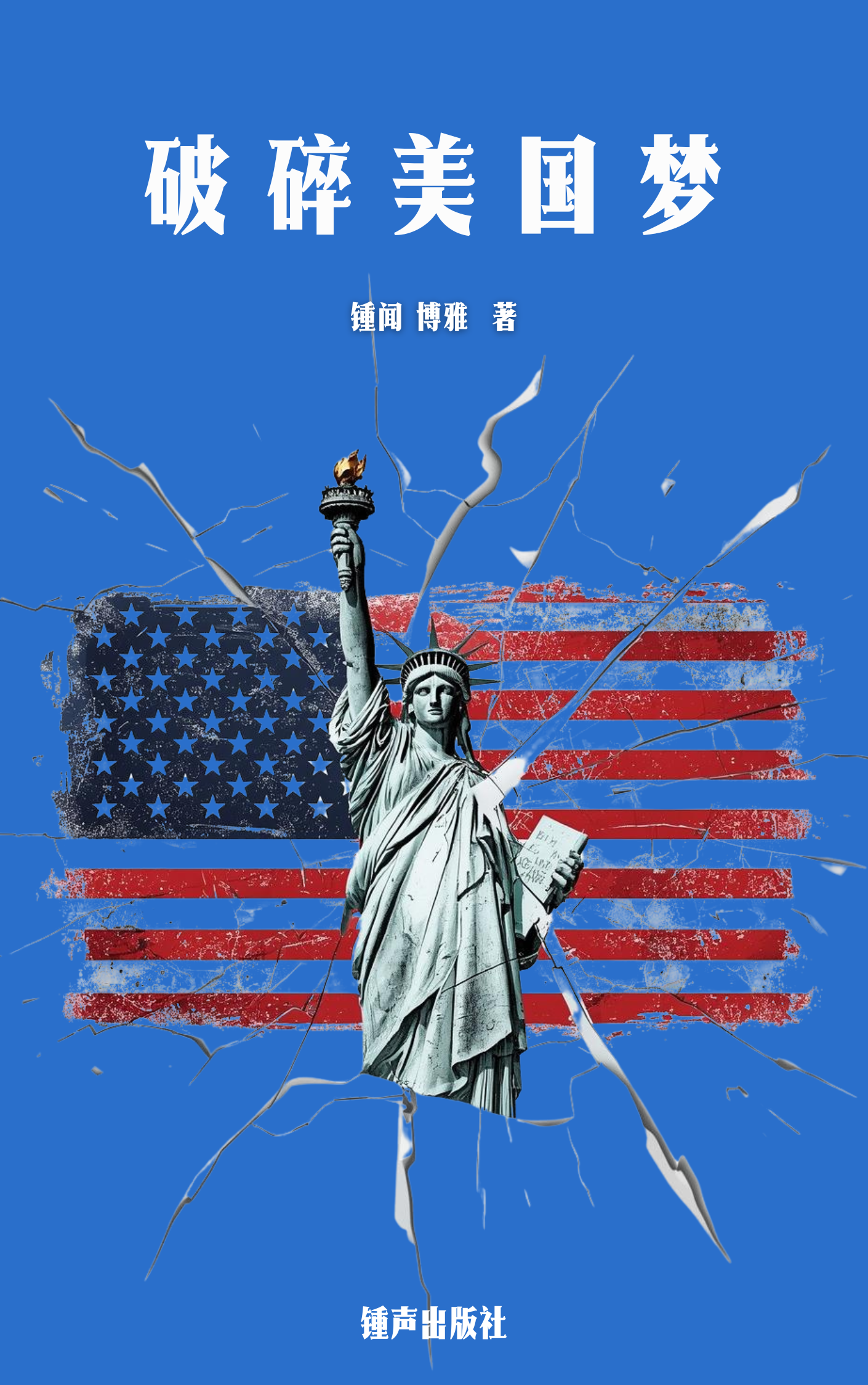
Volume II: Diagnosis of Failure and the End of the Dream
Part V: Fragments of the Dream — Specific Manifestations of the Broken American Dream
Chapter 83: Domestic Threats to National Security: The Rise of Domestic Terrorism — From External Threats to Internal Conflict
This chapter will shift the analytical focus from the collapse of institutional trust (Chapter Eighty-Two) to the highest risk to national security. We will argue that under the combined forces of pervasive distrust, political polarization, and cultural civil war (the theme of the next part), the national security threats facing the United States have shifted from traditional external enemies to a severe internal threat—domestic terrorism. This transformation from “external confrontation” to “internal conflict” marks the complete fragmentation of the American Dream’s promise of a peaceful, united nation.
First Thesis: The Transformation of Threats: The Internalization of National Security
I. The Scope of Traditional Threats
Traditionally, the concept of American national security has focused primarily on external threats: geopolitical competition (such as the Soviet Union, China), international terrorism (such as Al-Qaeda).
II. The Current Transformation: The Rise of Domestic Terrorism
The current security environment has undergone a fundamental shift: the most urgent and routine threats now come from within.
Definition: Domestic terrorism refers to ideologically motivated violence committed by individuals or groups within the United States against the U.S. government, institutions, or civilians.
Essence: This is the ultimate release of political polarization (Part Two), cultural civil war (the theme of the next part), and the collapse of social trust (Chapter Eighty-Two) into the realm of violence.
Second Thesis: The Ideologies and Drivers of Domestic Terrorism
III. Driver One: White Nationalism and Supremacy
Far-right ideology is the primary driver of current domestic terrorism:
Core Beliefs: White nationalism, white supremacy, anti-government militia movements, and various conspiracy theories (such as belief in the “Deep State”).
Targets of Action: They view the federal government, progressives, minorities, and the media as “traitors” and “existential threats to the nation.”
Logic of Violence: Belief in an impending “Day of Reckoning” or “Race War” in which only violence can “save” the nation.
IV. Driver Two: The Transgression of Political Extremism
Beyond the far right, other forms of political extremism are also on the rise:
Far Left: Certain radical far-left groups, though smaller in scale, sometimes resort to violence, such as destructive actions against law enforcement or liberalism.
Single-Issue Extremism: For example, radical anti-abortion groups or extreme animal rights/environmental activists who view violence as a means to achieve their singular goals.
V. Driver Three: Social Media and the Incubation of Echo Chambers
Social media (Chapter Sixty-Nine) has become an incubator and accelerator for domestic terrorism:
Ideological Radicalization: Algorithms push vulnerable individuals into echo chambers, rapidly exposing them to and absorbing extreme ideologies and conspiracy theories.
Mobilization and Imitation: These platforms are used for recruitment, coordination, glorification of violence, and encouragement of “lone wolf”-style copycat attacks.
Third Thesis: The Challenges to Security Agencies and the Erosion of Institutions
VI. Challenges for Law Enforcement and Intelligence
Domestic terrorism poses enormous challenges to law enforcement and intelligence agencies:
Shift in Resources and Focus: For decades, the resources of the FBI and DHS have been concentrated on countering international terrorism. They must now painfully pivot toward internal threats.
Politicized Scrutiny: Any effort to track and combat far-right domestic terrorism faces immense political pressure, being labeled by the right as “political persecution.” This politicizes the actions of law enforcement agencies, making impartial enforcement difficult.
VII. The Erosion of the Military and the Rule of Law
The threat of domestic terrorism and extremist infiltration erodes the core of the military and the rule of law:
Infiltration of the Military: Extremist infiltration of the military threatens the integrity of the military chain of command and discipline.
Assault on Democratic Institutions: Domestic terrorism aims to undermine the democratic electoral process and government functioning (such as the January 6, 2021, Capitol attack). This marks the violent assault on the principle of peaceful political transition upon which the American Dream depends.
VIII. Chapter Conclusion: The Shattering of a Peaceful Society
The analysis in Chapter Eighty-Three establishes the final fragmentation of the “broken American Dream” at the level of national peace and internal security.
Presentation of the Core Argument: Against the backdrop of extreme political polarization and the collapse of trust, the highest risk facing the nation has shifted to domestic terrorism. This trend from external confrontation to internal conflict proves that the American Dream’s promise of a peaceful, united, and governable nation has completely disintegrated.
 正义钟声 Voice of Justice