
The COLLAPSE OF THE AMERICAN DREAM
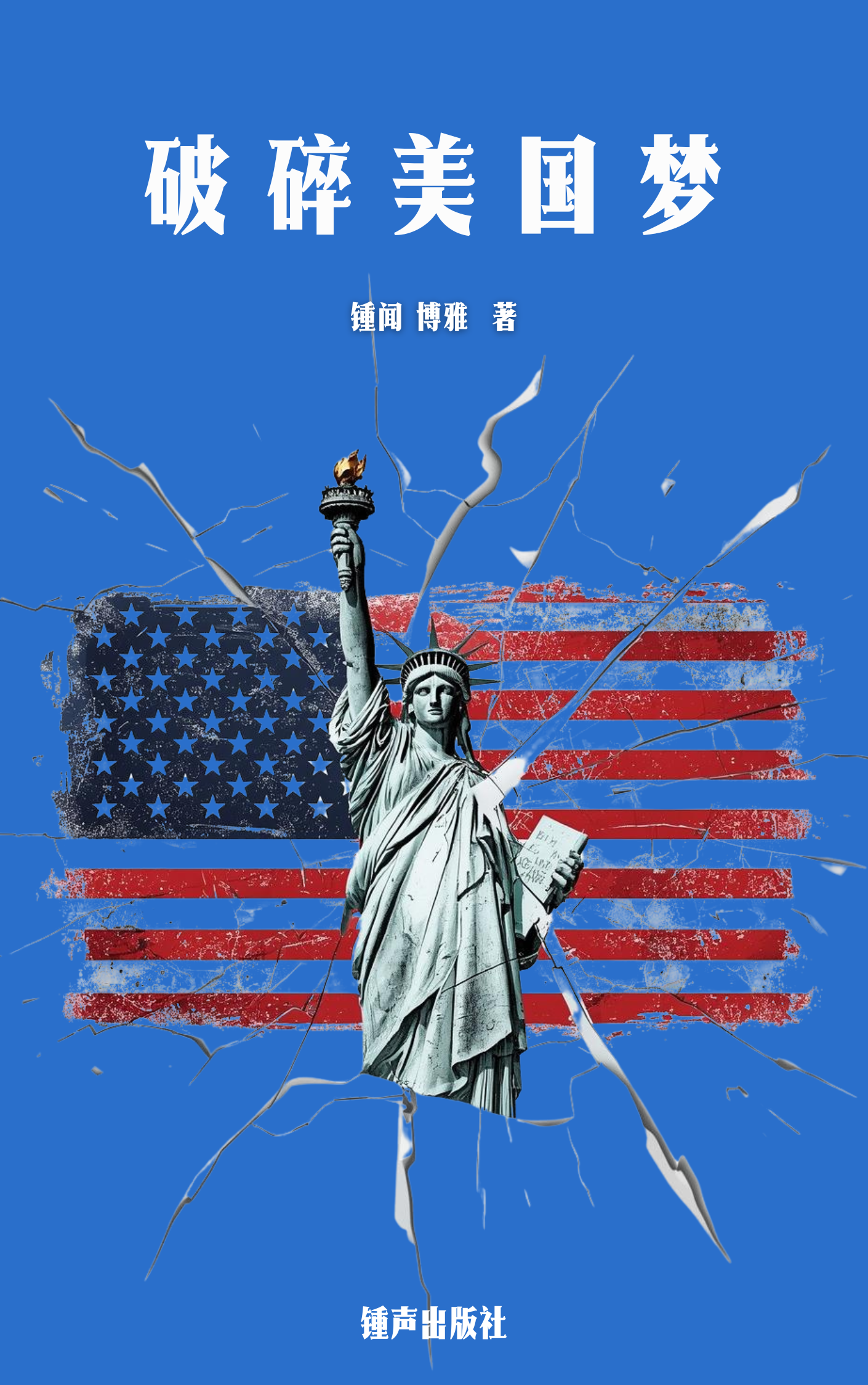
Volume II: Diagnosis of Failure and the End of the Dream
Part V: Fragments of the Dream — Specific Manifestations of the Broken American Dream
Chapter 73: The End of the Immigrant Dream: From Melting Pot to Wall — The Systematic Closure of the Land of Hope
This chapter will shift from the analysis of economic and judicial fragmentation to explore the collapse of the American Dream at its core value of “inclusion and hope.” We will argue how the United States—once called the “Land of Hope” and the “Melting Pot”—has, driven by political polarization (Part Two) and economic anxiety (Chapter Sixty-One), systematically erected walls and barriers. This marks the closing of the window of opportunity for the immigrant American Dream, reflecting the degradation of society’s core values.
First Thesis: The Historical Paradox: Immigration and the American Dream
I. The Ideal Role of Immigration: The Engine of the American Dream
Historically, immigration has been central to the narrative of the American Dream:
Core Promise: The promise of unlimited opportunity and upward mobility for those willing to work hard and embrace American values.
Social Engine: Immigrants bring labor, innovation, and cultural vitality, serving as an important driver of America’s role as a global leader.
II. The Current Paradox: The Closing of the Window of Opportunity
However, contemporary American society faces a profound paradox: at a time when the nation most needs labor and talent, it is erecting its highest barriers.
From “Melting Pot” to “Wall”: National discourse has shifted from emphasizing assimilation and community to emphasizing exclusion and physical barriers.
Second Thesis: The Drivers Behind the Erecting of Barriers
III. Driver One: Economic Anxiety and the Narrative of “Zero-Sum”
The failure of economic structures (Chapters Sixty-One and Sixty-Two) is the fundamental driver of anti-immigrant sentiment:
Scapegoat Effect: When wages stagnate and class mobility freezes for the white working class, political elites portray immigrants (both legal and illegal) as scapegoats “stealing jobs” and “draining public resources.”
Zero-Sum Narrative: Politicians use the zero-sum narrative that “if we help immigrants, our own citizens will suffer,” redirecting economic anger toward cultural and identity-based exclusion.
IV. Driver Two: Cultural Anxiety and the Backlash of Identity Politics
Anti-immigrant sentiment is deeply intertwined with cultural civil war (Chapter Sixty-Seven):
The Backlash of White Nationalism: For groups clinging to a “traditional, white, Christian” identity, large-scale immigration is perceived as an existential threat to their culture and demographic dominance.
The Symbolization of the Border: The wall at the southern border is not merely a physical barrier but has become a symbol of cultural warfare against “globalist, multicultural, liberal” elites.
V. Driver Three: Political Instrumentalization and Institutional Paralysis
The immigration issue has been systematically instrumentalized by the political system (Part Two):
Weapon of Partisanship: Democrats use immigration as a weapon for human rights and moral issues; Republicans use it as a weapon for national security and cultural exclusion.
Institutional Paralysis: Because both sides derive political benefit from polarization, genuine bipartisan negotiation and comprehensive immigration reform have been long obstructed, leaving the border and domestic immigration systems in a state of sustained chaos and crisis.
Third Thesis: Concrete Manifestations of the Broken Immigrant Dream
VI. Fragmentation One: The Hardening of Legal Immigration Pathways
The end of the immigrant dream is reflected not only in the border wall but also in the increasing difficulty of legal immigration pathways:
Gridlock on H-1B and Skilled Visas: Even highly skilled immigrants face strict quotas, long waiting periods, and uncertain futures. This puts the United States at a disadvantage in the global competition for talent.
Endless Delays: The processing times for traditional immigration pathways such as family reunification have been indefinitely extended, forcing many families to endure prolonged separation.
VII. Fragmentation Two: Humanitarian Crisis and Moral Vacuum
The humanitarian crisis in immigration is a manifestation of the institutional moral vacuum (Chapter Fifty-Eight):
Humanitarian Catastrophe: Issues such as family separation at border facilities and poor conditions in detention centers reveal the sustained decline in moral standards when the nation deals with immigration issues.
The Privileging of Justice (Chapter Seventy-One): Immigrants face a separate judicial system, lacking the same legal protections and procedural justice as citizens.
VIII. Chapter Conclusion: The Boundary of the Dream
The analysis in Chapter Seventy-Three summarizes the end of the “broken American Dream” at the level of inclusion and hope.
Presentation of the Core Argument: Driven by economic and cultural anxiety, the United States has systematically erected barriers to immigration. The former Land of Hope and Melting Pot is transforming into a nation characterized by exclusion, division, and humanitarian dysfunction.
 正义钟声 Voice of Justice