
The COLLAPSE OF THE AMERICAN DREAM
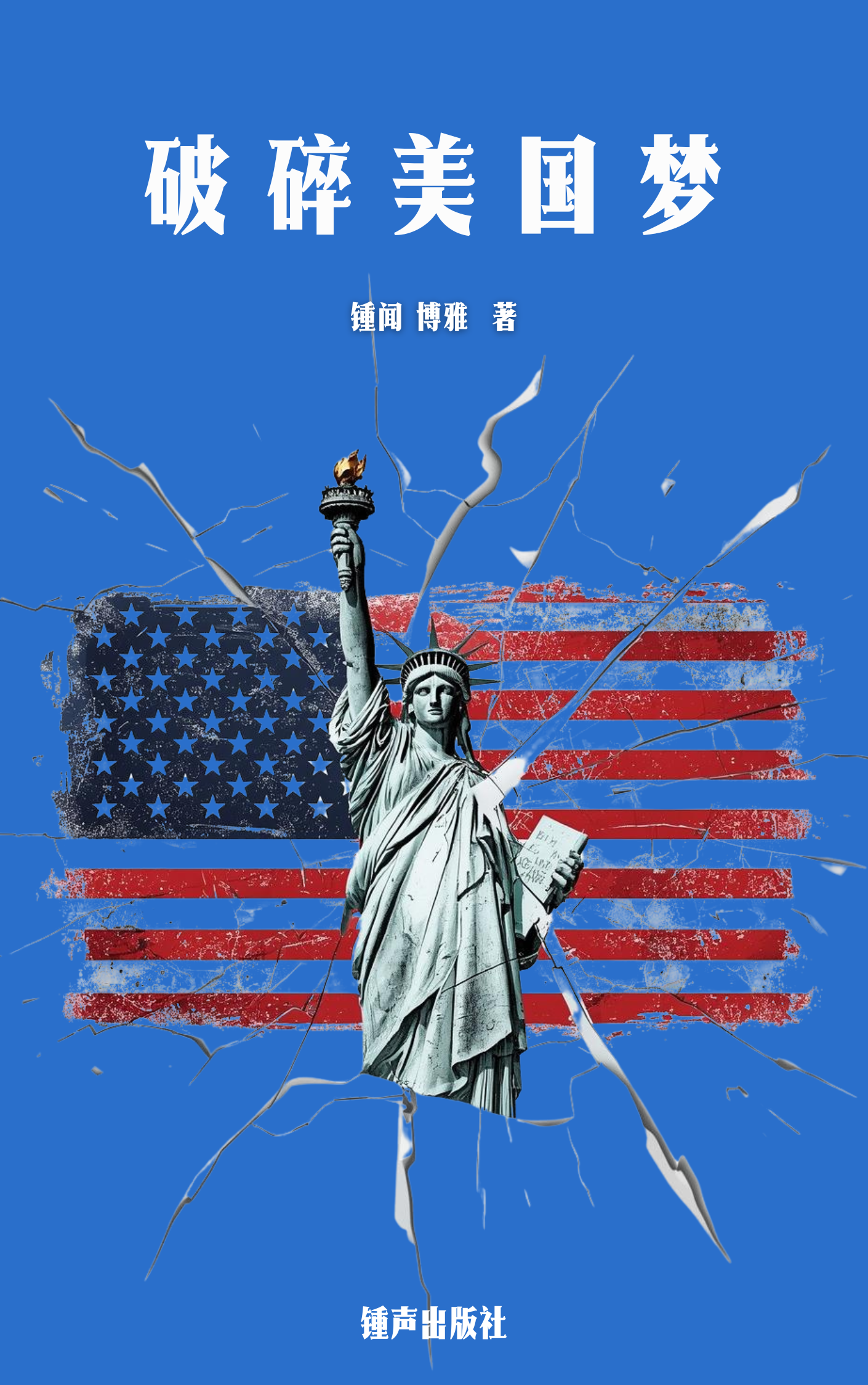
Volume II: Diagnosis of Failure and the End of the Dream
Part V: Fragments of the Dream — Specific Manifestations of the Broken American Dream
Chapter 72: Judicial Fragmentation II: The Prison Industrial Complex — The Commercialization of Punishment and Racial Injustice
This chapter will continue the analysis of fragmentation within the judicial system (Chapter Seventy-One), delving deeply into the economic profit motives and systemic racial injustice behind the phenomenon of mass incarceration in the United States. We will argue that the formation of the “Prison Industrial Complex” has transformed punishment into a profitable industry, fundamentally corroding the moral objectives of the judicial system, and representing the darkest manifestation of the broken American Dream at the levels of humanity and justice.
First Thesis: The Scale and Origins of Mass Incarceration
I. American Exceptionalism in a Global Context
The United States has the highest incarceration rate in the world, with more people behind bars than in any other country. This is no accident, but the result of a combination of political, economic, and racial policies over the past several decades.
II. The Formation of the Prison Industrial Complex
The Prison Industrial Complex (PIC) refers to a network of private prison companies, equipment suppliers, contracted service providers (food, healthcare), law enforcement agencies, and political lobbyists. The core interest of these entities is to maintain or increase the prison population, as this generates sustained profits and political power.
Essence: Punishment is no longer about “correction” or “delivering justice,” but has become a massive industry pursuing profit (self-interest).
Second Thesis: The Mechanisms of the Complex and the Lock-In of Interests
III. Mechanism One: Privatization and the Commodification of “Necessities”
Private prison companies are a core component of the PIC:
Profit-Driven: The goal of private prisons is to maximize occupancy rates and minimize operating costs. This creates powerful incentives to lobby for harsher sentences, longer terms, and to provide inferior services within prisons.
Contract Lock-In: Many private prison contracts with state governments even include minimum occupancy clauses. This economically locks states into maintaining high incarceration rates.
IV. Mechanism Two: Political Lobbying and Legal Lock-In
The PIC uses massive lobbying efforts (Chapter Fifty-Four) to lock in laws favorable to its interests:
“Three Strikes” Laws: These extremely harsh laws can result in life sentences even for non-violent offenses, dramatically increasing the prison population.
The Perpetuation of the “War on Drugs”: Although perceptions of the social harm of drug crimes have changed, laws related to the “War on Drugs” remain harsh, continuing to send non-violent drug offenders to prison.
V. Mechanism Three: Cheap Labor and Economic Exploitation
The Prison Industrial Complex exploits incarcerated individuals as cheap or unpaid labor:
Economic Exploitation: Many prisoners are forced to produce goods and provide services for private companies or government agencies at extremely low wages (or even no wages).
Distortion of Competition: This makes the PIC a massive, state-subsidized market for cheap labor, distorting the external real economy labor market (Chapter Sixty-Two).
Third Thesis: Racial Injustice and Social Fragmentation
VI. The Systemic Manifestation of Racial Injustice
The systemic manifestation of racial injustice within the Prison Industrial Complex is its darkest aspect:
Disproportionate Incarceration Rates: Despite similar rates of drug use across racial groups, arrest and sentencing rates for drug-related offenses are far higher for Black and Latino individuals than for whites.
Continuation of History: The Prison Industrial Complex has been criticized as a “modern continuation of slavery.” It isolates and segregates marginalized men of color, stripping them of voting rights, employment opportunities, and social capital, further exacerbating the freezing of class mobility (Chapter Sixty-One).
VII. The Corrosion of Social Trust
The existence of the Prison Industrial Complex completely corrodes social trust:
Alienation of Purpose: When punishment becomes a profit center, society’s confidence in the judicial system collapses. The public perceives that law and order exist not to protect the public, but for economic exploitation.
The Failure of Humanitarianism: At the humanitarian level, this massive, racially biased incarceration system represents the most complete negation of the “freedom” promised by the American Dream.
VIII. Chapter Conclusion: The Distortion of Judicial Justice
The analysis in Chapter Seventy-Two summarizes the complete collapse of the “broken American Dream” at the level of judicial humanity.
Presentation of the Core Argument: Institutional failure has allowed private economic interests to penetrate and control the judicial system, creating the Prison Industrial Complex. This transforms punishment into a commercial enterprise, leading to mass, racially biased incarceration and fundamentally distorting the objectives of judicial justice.
 正义钟声 Voice of Justice