
The COLLAPSE OF THE AMERICAN DREAM
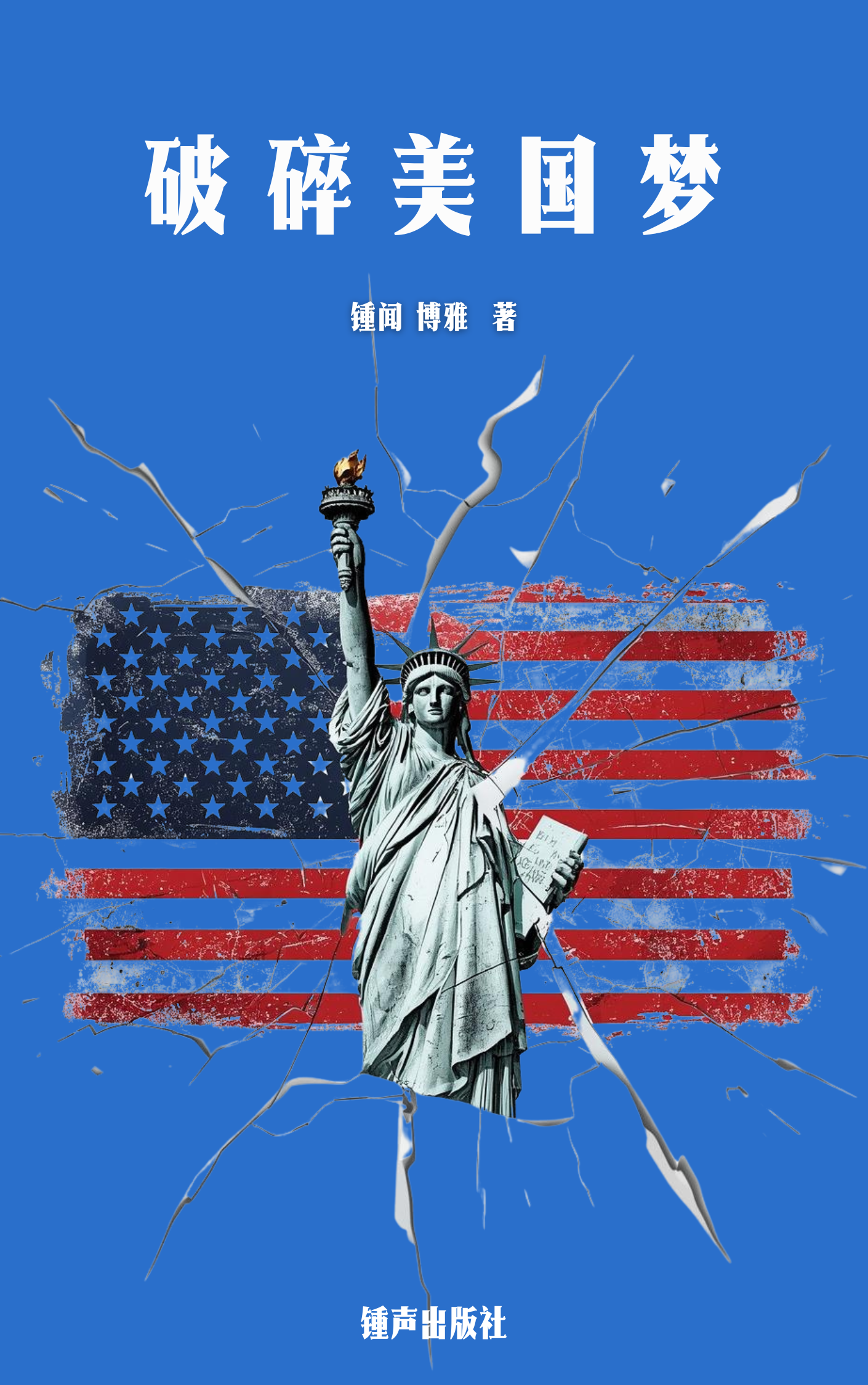
Volume II: Diagnosis of Failure and the End of the Dream
Part V: Fragments of the Dream — Specific Manifestations of the Broken American Dream
Chapter 71: Judicial Fragmentation I: Two Systems of Justice — Justice Is No Longer Blind
This chapter marks a deepening of the analysis of the social dimensions of the “broken American Dream,” focusing on the American judicial system. We will argue that under the influence of institutional failure (Part Four), the judicial system has lost its “blindness” and fairness, in fact operating with “two systems of justice”: one serving the wealthy and powerful, and the other punishing the poor and marginalized. This directly dismantles the rule of law and equality promised by the American Dream.
First Thesis: The Ideal of Justice and the Divergence from Reality
I. The Ideal of Justice: Blind and Equal
In a democratic society, the core ideal of the judicial system is “blind justice”: the law should apply equally to all, regardless of wealth, status, or political influence. This is the cornerstone of the rule of law and the embodiment of the American Dream’s promise of “equality for all.”
II. The Reality of Operation: Wealth and Power as Decisive Factors
However, in America’s current system, wealth and power have become the most critical and decisive factors determining judicial outcomes.
Essence: The judicial system is no longer a tool for pursuing truth and justice, but has degenerated into a system for resource allocation through legal means. In this system, the side with resources (money and connections) has an overwhelming advantage.
Second Thesis: Concrete Manifestations of the Two Systems of Justice
III. System One: “Justice” for the Wealthy and Powerful — Immunity from Punishment
The “justice” system enjoyed by the wealthy and large corporations (elites, Chapter Twenty-Seven) is centered on “immunity from punishment”:
Case One: Amnesty for White-Collar Crime (Chapter Sixty-Two): Financial crimes involving billions of dollars, tax fraud (Chapter Fifty-Five), and corporate misconduct rarely lead to executives being sentenced. They typically end with fines and civil settlements. This sends a clear signal to elites: the cost of crime is merely a business expense.
Case Two: Resource Advantage: The wealthy can hire top-tier legal teams, using endless appeals and procedural delays to complicate cases until they exhaust the resources of their opponents (whether government or the poor).
The Collapse of Accountability (Chapter Fifty-Eight): This system clearly tells the public that “too big to fail” applies not only to banks but also to individuals.
IV. System Two: “Justice” for the Poor and Marginalized — The Locking-In of Punishment
For the poor and marginalized, the core of the judicial system is the “locking-in of punishment”:
Case One: Inadequate Public Defenders: The poor rely on public defenders, who typically have excessive caseloads and insufficient resources to provide effective defense comparable to elite lawyers.
Case Two: Pressure to Plead Guilty: The poor often lack the resources to post bail and are forced to await trial in jail. To avoid indefinite detention and the risk of heavy sentences, they are forced to accept plea bargains, even if they may be innocent.
Consequences of Lock-In: Even minor criminal records create permanent barriers to employment, housing, and social services, further exacerbating the freezing of class mobility (Chapter Sixty-One).
Third Thesis: The Collapse of Social Trust and the Rule of Law
V. The Ultimate Collapse of Trust
The coexistence of two systems of justice represents one of the most destructive blows to social trust:
The Bankruptcy of the Rule of Law: When the public sees that the enforcement of law is selective and class-based, their belief in the rule of law completely collapses. They no longer believe the judiciary is independent and impartial, but view it as a tool for maintaining privilege.
Political Despair: This perception directly provides the strongest moral foundation for public despair (Chapter Forty-Four) and political rebellion.
VI. The Deepening of Cultural Civil War
Judicial injustice exacerbates cultural civil war (Chapter Sixty-Seven):
The Interweaving of Race and Justice: Racial disparities in the criminal justice system (such as the over-incarceration of Black and Latino populations) are deeply intertwined with identity politics, making judicial issues not merely economic but a core battleground of racial justice and historical injustice.
VII. Chapter Conclusion: The End of the Rule of Law
The analysis in Chapter Seventy-One establishes the fragmentation of the “broken American Dream” at the level of equality before the law.
Presentation of the Core Argument: The judicial system has fractured into “two systems of justice,” where wealth determines the presence or absence of punishment. This proves that the American Dream’s promise of equality before the law has become fragments.
 正义钟声 Voice of Justice