
The COLLAPSE OF THE AMERICAN DREAM
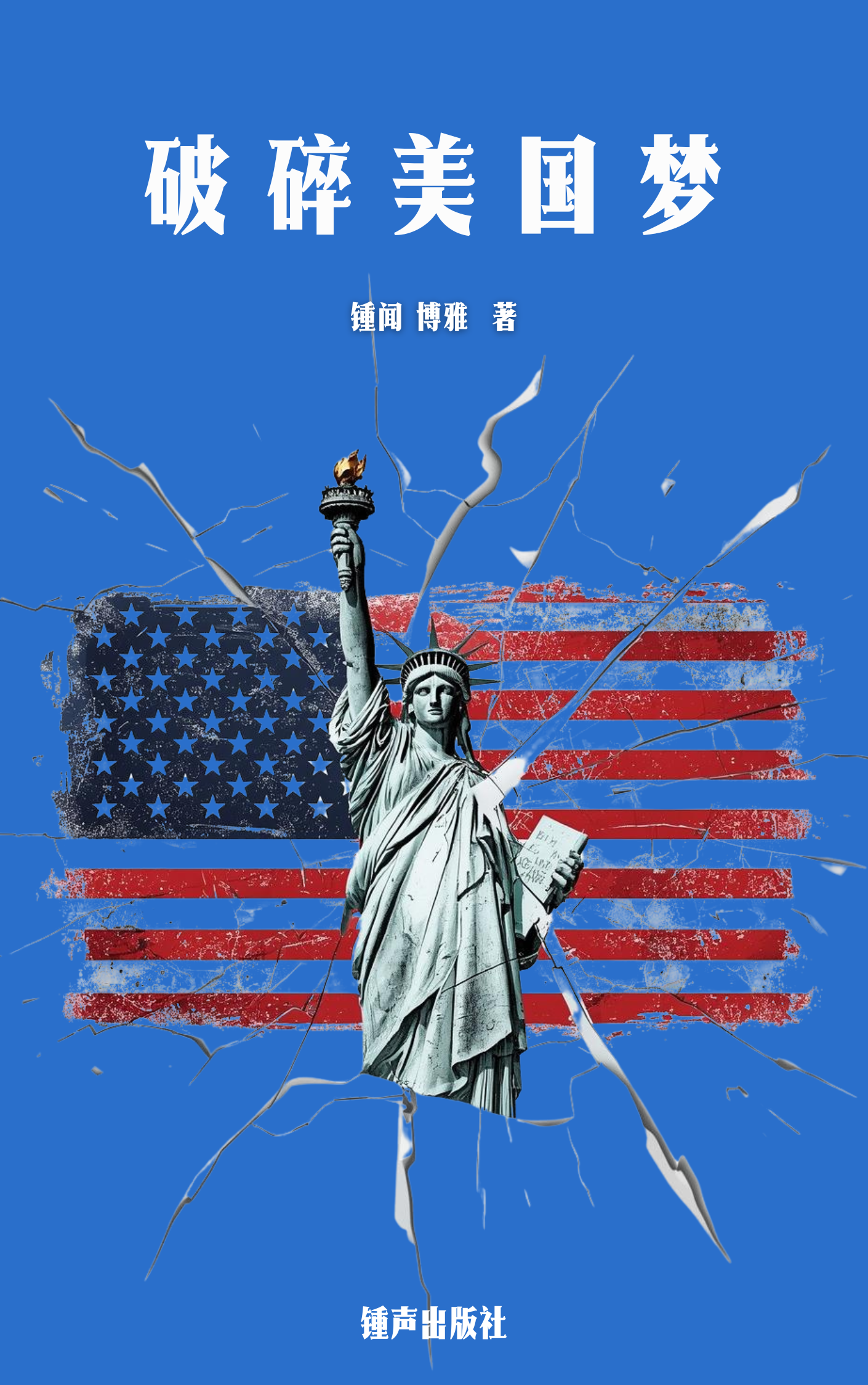
Volume II: Diagnosis of Failure and the End of the Dream
Part V: Fragments of the Dream — Specific Manifestations of the Broken American Dream
Chapter 68: Cultural Fragmentation II: Cancel Culture and the Crisis of Free Speech — The Shrinking of Public Discourse Under the Suppression of Dissent
This chapter will continue the analysis of cultural fragmentation (Chapter Sixty-Seven), focusing on the phenomenon of “cancel culture” in contemporary American society. We will argue how this extreme decline in social tolerance and the suppression of dissent have led to the shrinking and polarization of public discourse, marking the fragmentation of the intellectual freedom and pluralistic tolerance promised by the American Dream.
First Thesis: The Definition and Rise of Cancel Culture
I. The Definition and Boundaries of Cancel Culture
“Cancel culture” (or “call-out culture”) refers to a social practice that seeks to impose social exclusion and professional punishment on individuals or brands deemed to have made offensive, politically incorrect, or morally wrong statements, through social media (Chapter Fifty-Seven) and public condemnation.
Reasonable Boundaries: The initial motivation of cancel culture sometimes aimed to address abuses of power that the system failed to punish (such as sexual harassment, systemic discrimination), reflecting public backlash against the collapse of accountability mechanisms (Chapter Fifty-Eight).
Alienation to the Extreme: However, it rapidly alienated into an excessive, procedurally unjust, ideologically driven mechanism of social punishment.
II. The Cultural Manifestation of Institutional Failure
The rise of cancel culture is precisely the cultural manifestation of the failure of institutional accountability (Chapter Fifty-Eight) and media norms (Chapter Fifty-Seven):
Accountability Vacuum: When formal accountability mechanisms in universities, corporations, and political parties cannot punish powerful “wrongdoers,” social media provides a fast, emotional, barrier-free form of “alternative accountability.”
Media Acceleration: The self-interest of social media algorithms (clicks and engagement) (Chapter Fifty-Seven) naturally rewards “canceling” behaviors that are provocative and punitive, accelerating their spread.
Second Thesis: The Crisis of Free Speech: The Shrinking of Public Discourse
III. Crisis One: The Collapse of Social Tolerance
The primary consequence of cancel culture is the extreme decline in social tolerance:
Undifferentiated Punishment: Society no longer distinguishes between “malicious speech” and “mistaken speech.” For certain politically correct groups, any view or language deemed “incorrect” risks being treated as malicious and subject to permanent punishment.
Result: Society enters a state of “quiet tyranny”: people no longer dare to express complex, nuanced views that may diverge from mainstream opinions in public (or even private) settings.
IV. Crisis Two: The Shrinking of Public Discourse
Fear of dissent directly leads to the shrinking of public discourse:
Self-Censorship: Individuals in academia, journalism, and business choose to self-censor to protect their careers, avoiding “sensitive” topics. This restricts public debate to ideologically safe zones.
The Death of Consensus: Shrinking public space prevents society from effectively discussing and resolving complex, real-world problems that require compromise (for example, climate change, economic reform). Consensus-building requires open, non-punitive debate.
V. Crisis Three: The Spiral of Polarization and Anger
Cancel culture exacerbates political polarization (Chapter Seven) and social fragmentation (Chapter Sixty-Seven):
Strengthening of Opposing Camps:
The Left: Uses punishment mechanisms to enforce ideological purity within its ranks, defining opponents as “morally corrupt.”
The Right: Views “cancel culture” as “elite tyranny” and a “threat to freedom,” using it as a core weapon for “counterattack” and “mobilization.”
Result: Both sides perceive the other’s actions as existential threats, making political conflict irreconcilable.
Third Thesis: The Deepening of Cultural Civil War and Political Consequences
VI. Fuel for Cultural Civil War: Distrust and the Feeling of Suppression
Cancel culture becomes powerful fuel for cultural civil war:
The Right’s “Feeling of Suppression”: Many conservatives sincerely believe their values are systematically suppressed in universities, media, and corporations. This “feeling of suppression” is a core driver of the rise of white nationalist sentiment.
Ultimate Distrust of Institutions: When the public sees that “free speech”—a constitutional principle (Chapter Fifty-Seven)—is being abused as a “punishment tool” in social practice, their belief in the entire liberal framework collapses.
VII. The Alienation of Politics: The Substitution of Moral Performance
Political discourse alienates from “problem-solving” to “moral performance”:
Political Performance: Politicians use attacks on or defense of “cancel culture” as a core identity and voter mobilization strategy. Their energy is consumed in endless culture wars rather than governance.
VIII. Chapter Conclusion: The Fragmentation of Freedom
The analysis in Chapter Sixty-Eight establishes the fragmentation of the “broken American Dream” at the level of intellectual freedom.
Presentation of the Core Argument: The decline in social tolerance and the prevalence of cancel culture systematically suppress dissent, leading to the shrinking of public discourse. This proves that the pluralistic tolerance and intellectual freedom promised by the American Dream have become fragments.
 正义钟声 Voice of Justice