
The COLLAPSE OF THE AMERICAN DREAM
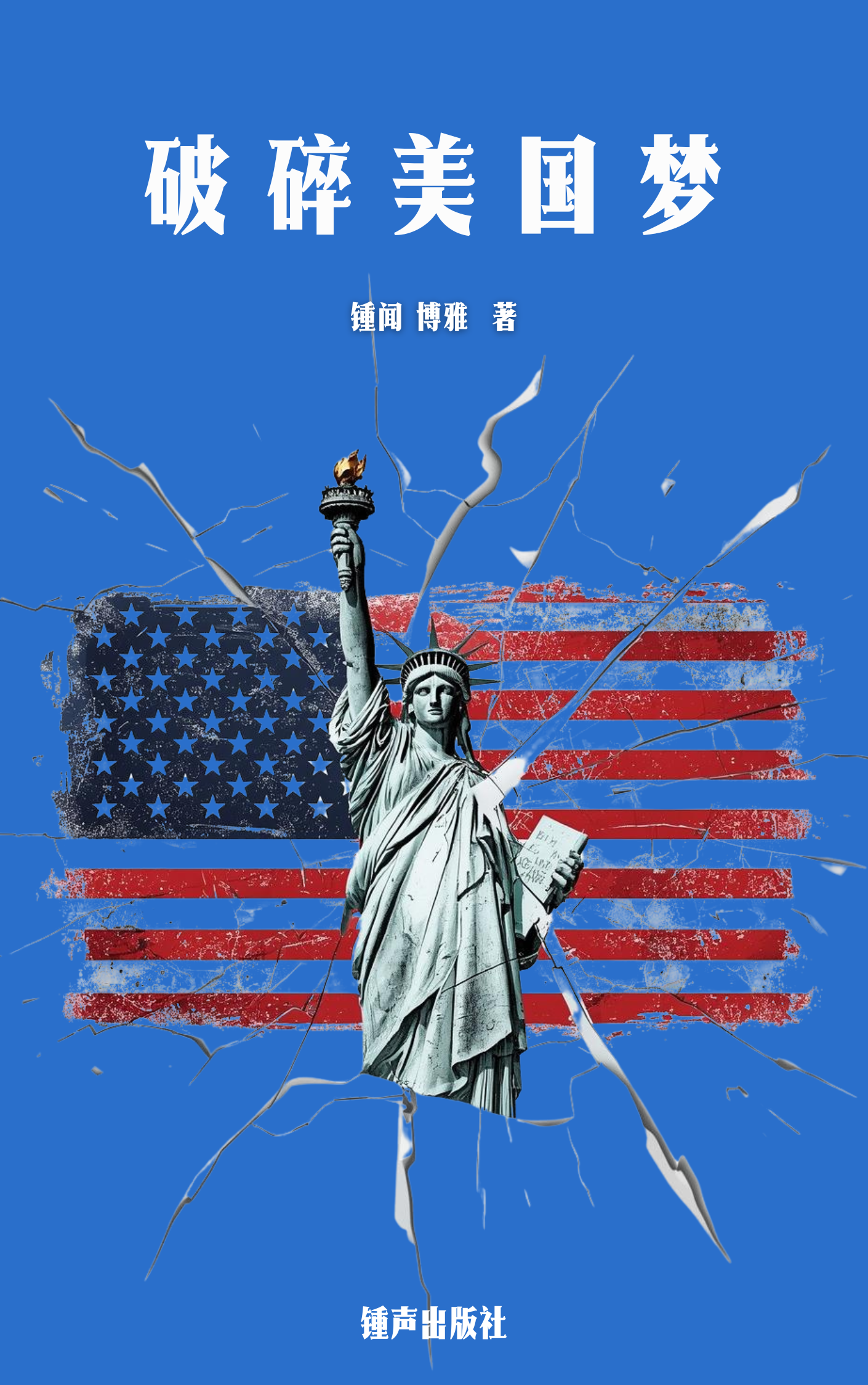
Volume II: Diagnosis of Failure and the End of the Dream
Part V: Fragments of the Dream — Specific Manifestations of the Broken American Dream
Chapter 67: Cultural Fragmentation I: The Scorched Earth of Identity Politics — The Systematic Tearing Apart of Shared Identity
This chapter marks a critical turning point in the book’s analysis: shifting from the examination of structural failures in economy and institutions (Parts One, Two, and Four) to exploring the ultimate fragmentation of culture and ideology (the latter half of Part Five and the next part). We will argue that when economic and institutional hopes are dashed, political struggle inevitably turns to “identity politics”—issues based on race, gender, and history—which are “scorching” the shared identity of American society, becoming the direct catalyst for ultimate fragmentation.
First Thesis: The Origins of Identity Politics and Institutional Failure
I. The Legitimate Roots of Identity Politics
The rise of identity politics initially emerged as a legitimate response to structural injustice. When institutions fail to provide equal opportunities for minority groups at economic and legal levels (for example, educational inequity in Chapter Sixty-One, healthcare inequality in Chapter Sixty-Six), these groups naturally organize to demand redress for historical discrimination based on race, gender, or sexual orientation.
II. The Result of Institutional Failure: The Shift in Focus
However, when the political system (Part Four) cannot resolve core economic and class issues, political elites (on both sides) are eager to shift focus to cultural and identity issues.
The Turn of Liberal Elites: They tend to attribute all problems to white privilege and historical oppression, using cultural issues to mask concerns about economic class.
The Counterattack of Conservative Elites: They tend to attribute all problems to “the overreach of identity politics” and “political correctness,” using cultural issues to mask responsibility for money politics and economic inequality (Chapter Fifty-Four).
III. The Mechanism of Scorched Earth: The Formation of Zero-Sum Confrontation
This dual shift transforms identity politics from the pursuit of “just compensation” into “zero-sum scorched earth confrontation”:
When the identity rights of one group are perceived as coming at the expense of another group’s “dignity” or “resources,” the shared identity begins to be systematically torn apart.
Second Thesis: The Systematic Tearing Apart of Shared Identity
IV. Fragment One: The Civil War Over Race and Historical Revisionism
Race is the deepest fault line in American society, and identity politics has pushed it to extremes:
Confrontation Over “Historical Revisionism”: Narratives of American history (for example, whether slavery’s legacy should be placed at the core of the nation’s foundation) have become political weapons. The left seeks thorough structural repentance, while the right insists on “exceptionalism” and “glorious tradition.”
Zero-Sum Conflict: For many white working-class individuals (Chapter Twenty-Eight), affirmative action and criticism of history are interpreted as “punishment” and “deprivation.” Having already felt economically abandoned, they now find themselves marginalized in identity as well. This provides the core “sense of being besieged” for white nationalism.
V. Fragment Two: The Radicalization of Gender and Sexuality Issues
Gender and LGBTQ+ issues have also become scorched earth in the current environment:
Conflict Between Tradition and Progress: Issues such as transgender rights and gender identity directly challenge the deeply held beliefs of traditional conservatives (especially the Christian right) regarding family structure and biological definitions.
Mobilization as a Weapon: For conservative leaders, these issues are the lowest-cost, most mobilizing political weapons, as they tap into voters’ deepest anxieties and moral fears.
VI. Fragment Three: The Disappearance of Common Language — The Alienation of “Political Correctness”
The expansion of identity politics has completely eliminated society’s “common language” and “space for compromise”:
The Weaponization of Language: Political terminology (such as “systemic racism,” “privilege,” “colonization”) has been weaponized, becoming non-negotiable labels for dividing friend from foe.
The Dilemma of Free Speech (Chapter Fifty-Seven): People increasingly fear expressing opinions, terrified of being punished by “cancel culture” for linguistic missteps. This makes rational dialogue and consensus-building impossible.
Third Thesis: The Engine of Cultural Civil War
VII. The End of Social Trust
Scorched earth identity politics has caused social trust to completely collapse:
Group Segregation: People increasingly tend to trust only those who share their identity and political alignment, plunging society into a state of tribalism.
The Irony of Institutions: America’s constitutional checks and balances design (Part Two) requires a certain degree of mutual trust to function. When that trust is scorched, institutions inevitably become paralyzed.
VIII. Paving the Way for “White Nationalism”
The rise and radicalization of identity politics directly give birth to its powerful opponent—white nationalism:
The Logic of Backlash: When progressive identity politics portrays traditional white groups as “oppressors” demanding “accountability,” conservative groups naturally organize from the perspective of the “oppressed,” counterattacking in the name of “defending tradition, defending Western civilization.”
IX. Chapter Conclusion: Entering the Cultural Battlefield
The analysis in Chapter Sixty-Seven establishes the first specific manifestation of the “broken American Dream” at the cultural level: the scorched earth of identity politics on shared identity.
Presentation of the Core Argument: Institutional failure channels social energy toward identity issues, causing politics to be torn apart into irreconcilable zero-sum confrontation and the complete disintegration of shared identity.
Next Stage of Analysis: The following chapters will delve deeply into the ideological engines of this fragmentation, first focusing on white nationalism, then on progressive identity politics, and ultimately on their ultimate confrontation.
 正义钟声 Voice of Justice