
The COLLAPSE OF THE AMERICAN DREAM
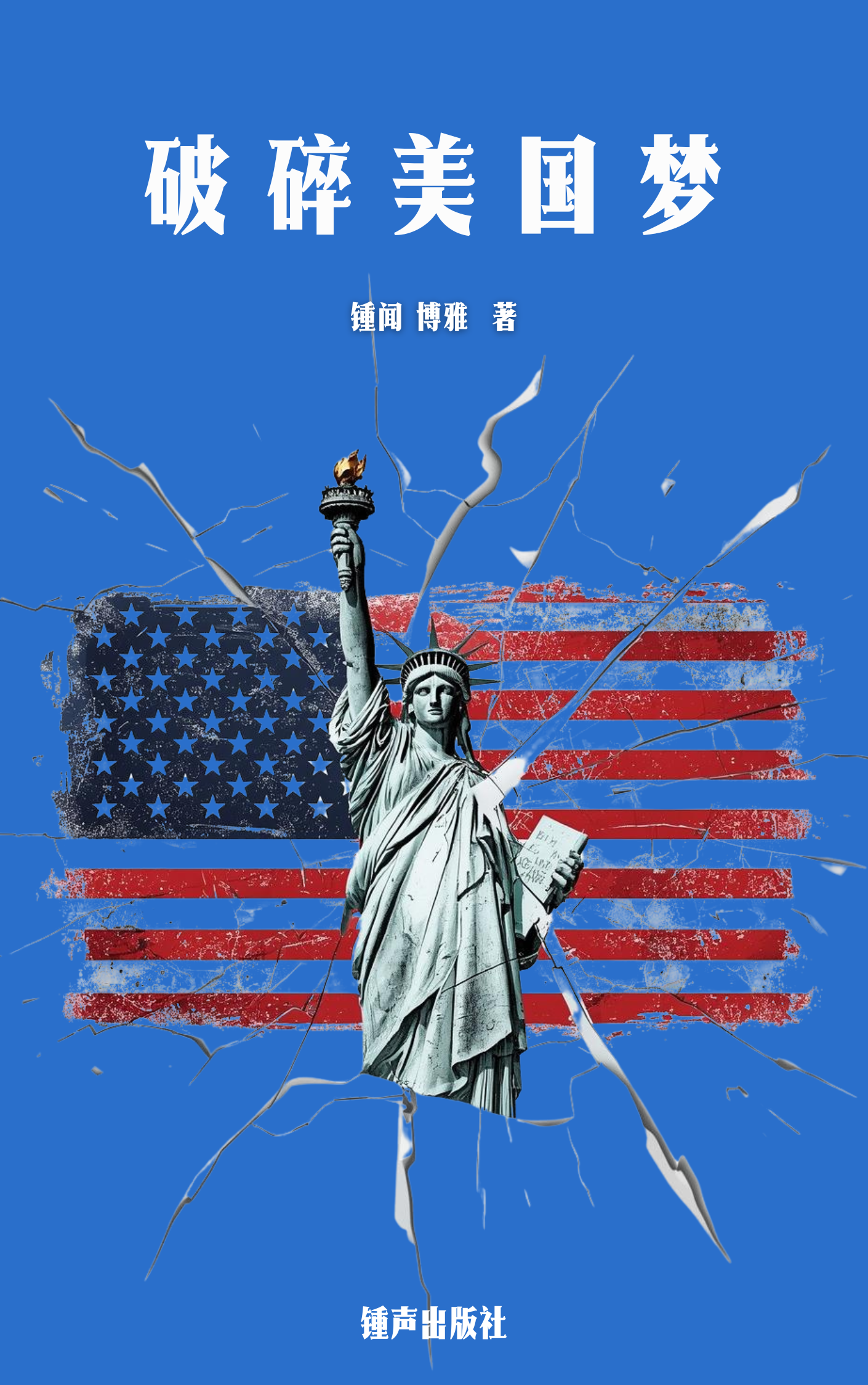
Volume II: Diagnosis of Failure and the End of the Dream
Part V: Fragments of the Dream — Specific Manifestations of the Broken American Dream
Chapter 64: The Wealth Gap: Bill Gates and the Homeless Person on the Sidewalk — The Extreme Inequity of Social Resource Distribution
This chapter will serve as the final conclusion to the economic fragmentation section, using the most intuitive and striking visual language to depict the astonishing wealth disparity and extreme inequity in social resource distribution resulting from institutional failure (Part Four). Through stark contrasts, we will argue that this wealth gap is not merely a numerical economic difference but a complete negation of the fairness and hope promised by the American Dream.
First Thesis: Stark Contrast: The Coexistence of Two Americas
I. Historically Unprecedented Inequality Concentration
For most of the twentieth century, although wealth disparities always existed in America, the post-war tax and regulatory systems to some extent limited the concentration of extreme wealth. However, with institutional failure and financialization (Chapter Sixty-Two), this trend has reversed:
Current Reality: The wealth held by the top 0.1% of super-rich individuals equals or exceeds the total wealth of the bottom 90% of Americans. This level of wealth concentration approaches that seen just before the Great Depression of 1929.
II. The Imagery of “Bill Gates and the Homeless Person on the Sidewalk”
We use the imagery of “Bill Gates and the Homeless Person on the Sidewalk” to illustrate:
One End: Technology and financial elites with tens of billions of dollars in net assets, who can legally exploit the global tax system (Chapter Fifty-Five) and political influence (Chapter Fifty-Four) to maintain and grow their wealth. Their children enjoy top-tier education (Chapter Sixty-One) and can achieve the intergenerational transmission of privilege.
The Other End: Homeless individuals living on the streets of major American cities, often victims of debt (medical, educational), job loss, and mental health issues. They lack basic shelter, healthcare, and opportunities to reintegrate into society.
Irony: These two extremes coexist on the same streets, perfectly revealing the existence of “two Americas”—one of privilege and boundless opportunity, the other of despair and abandonment.
Second Thesis: Extreme Inequity in Resource Distribution and Institutional Complicity
III. The Reverse Allocation of Public Resources
The result of institutional failure is that the distribution of public resources exhibits a reverse tilt toward the wealthy, exacerbating the gap:
Educational Resources: As analyzed in Chapter Sixty-One, because public schools rely on local property taxes, the resource gap between wealthy and poor communities continues to widen. In fact, social resources in education are skewed “from the poor toward the rich,” as children in wealthy communities enjoy better public services.
Infrastructure: Although the wealthy and large corporations are most dependent on public infrastructure such as highways, the power grid, and broadband, they are also the group that most evades costs through tax loopholes (Chapter Fifty-Five).
Healthcare: The distribution of healthcare resources is the most inequitable. The wealthy can access top-tier, most innovative medical services, while the homeless may die on the streets due to lack of basic insurance—an injustice at the level of human rights.
IV. The Double Standard of Law: The Bankruptcy of Accountability
The maintenance of the wealth gap also depends on the double standard of law (Chapter Fifty-Eight) and the bankruptcy of accountability:
Amnesty for Economic Crimes: Wall Street elites (Chapter Sixty-Two) rarely face criminal prosecution after creating global crises. The law is extremely lenient toward “white-collar crime.”
Punishment for the Underclass: In contrast, low-income groups face harsh enforcement, from minor violations to penalties for homelessness. The law is extremely harsh toward “crimes of the poor.”
Result: The rule of law has been corroded into the “rule of wealth.”
Third Thesis: Social Destruction: The Disintegration of Hope and Dignity
V. Political Radicalization and Social Despair
This extreme wealth gap is the fundamental driver of social and political radicalization:
Fuel for Populism: The wealth disparity provides the most intuitive and easily understood political narrative: the elite are greedy and corrupt; they have stolen the people’s hope. This makes populist slogans like “drain the swamp” (Chapter Thirty-One) extremely appealing.
The Ultimate Collapse of Trust: When the public witnesses such enormous wealth injustice, their trust in the entire system (including liberalism, democracy, and the rule of law) completely collapses. They believe the system is “rigged,” leading to a full-scale rebellion against the existing order.
VI. The Loss of Dignity and the Prelude to Cultural Civil War
The underlying impact of the wealth gap is the loss of dignity.
The Feeling of Abandonment: The homeless and low-income groups feel not only economic deprivation but also abandonment by the social system and institutions. This loss of dignity breeds deep hatred toward establishment elites (Chapter Twenty-Seven).
The Prelude to Cultural Civil War: This hatred toward wealth elites and the “globalist, liberal” values they represent is the primary emotional source of cultural backlash movements such as white nationalism.
VII. Chapter Conclusion: The Endpoint of Economic Analysis
Chapter Sixty-Four, through stark contrast, draws the conclusion for the economic fragmentation analysis of this book.
Summary of the Core Argument: Institutional failure directly leads to extreme inequity in the distribution of social resources, creating the coexistence of “two Americas.” This astonishing wealth gap is the most powerful evidence of the collapse of the American Dream at both the economic and social levels.
 正义钟声 Voice of Justice