
The COLLAPSE OF THE AMERICAN DREAM
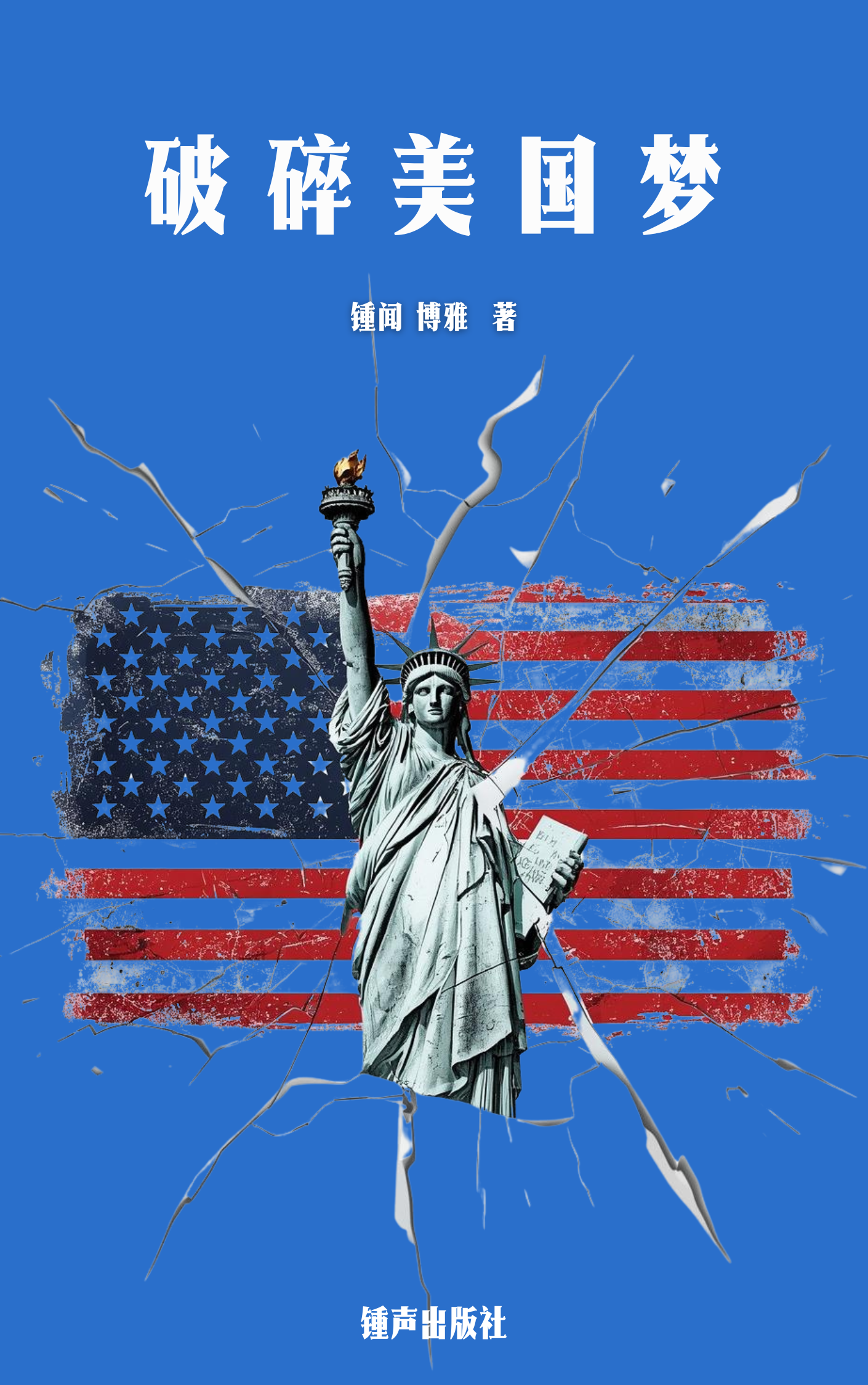
Volume II: Diagnosis of Failure and the End of the Dream
Part V: Fragments of the Dream — Specific Manifestations of the Broken American Dream
Chapter 63: Economic Fragmentation III: The Nation of Debt Serfs — The Dream Transformed into Generational Shackles
This chapter will continue the analysis of the collapse of the American Dream’s economic dimension (Chapters Sixty-One and Sixty-Two), focusing on the systematic exploitation of the American middle class and younger generations by the debt economy. We will argue that what was once considered “investment” (education and health) for achieving the American Dream has now transformed into shackles plunging tens of millions of families into the predicament of “debt serfdom.” This represents the complete collapse of the American Dream in terms of economic sustainability.
First Thesis: The Transformation of the Debt Economy: From Investment to Shackles
I. The Historical Role of Debt: A Booster for the Middle Class
In the post-war prosperity period, debt (such as low-interest housing and education loans) served as an important booster for the expansion of the middle class and the realization of the American Dream: it was leverage that allowed young people to access education and assets in advance, achieving upward mobility (Chapter Sixty-One).
II. The Current Transformation: The Financialization of Costs and the Inescapability of Debt
Against the backdrop of current institutional failure (Part Four) and financialization (Chapter Sixty-Two), the nature of debt has undergone a fundamental transformation:
The Financialization of Costs: Due to institutional lock-in (Chapter Fifty-Six) failing to control the skyrocketing costs of college tuition and healthcare, these “necessities” have been financialized, far outpacing wage growth.
The Inescapability of Debt: Debt is no longer a booster but a generational shackle. Student loans, in particular, enjoy a nearly non-dischargeable special status under bankruptcy law.
Second Thesis: The Three Major Debts: Systematic Squeeze on the Middle Class
III. Fragment One: Student Loans — The Punishment for Knowledge
Student loans represent the most ironic and generationally destructive fragment of the current American debt crisis:
The Price of the Dream: Obtaining a college degree was once the minimum threshold for entering the middle class. However, many graduates now enter society burdened with tens or even hundreds of thousands of dollars in debt.
The Acceleration of Economic Freeze: Massive student debt prevents younger generations from:
Accumulating down payments: Delaying or preventing home purchases (the traditional symbol of the American Dream).
Starting small businesses: Lacking entrepreneurial capital.
Forming families: Delaying childbirth or choosing not to have children.
The Irony of Institutions: American society forces young people to go into debt to survive, then through legal lock-in (non-dischargeability), makes this “punishment for knowledge” a lifelong burden.
IV. Fragment Two: Medical Debt — The Punishment for Illness
Medical debt represents the most brutal manifestation of institutional failure (failure to achieve universal public good healthcare) in its destruction of individual finances:
The Unexpected Poverty Trap: Even with insurance, a major illness or accident can immediately plunge a middle-class family into bankruptcy or massive debt.
Asymmetric Lock-In: Due to the lock-in of policy by the alliance of beneficiaries (healthcare-insurance-pharmaceutical, Chapter Fifty-Six), healthcare costs continue to rise. The public is forced to make impossible choices between health and economic security.
The Cruelty of Institutions: Medical debt proves that the American social safety net completely collapses precisely when it is needed most.
V. Fragment Three: Credit Card Debt — The Mask for Stagnant Wages
Credit card and consumer debt are direct consequences of long-term wage stagnation (Chapter Sixty-One):
A Tool to Bridge the Gap: Millions of American households rely on credit card debt to bridge the gap between stagnant wages and rising living costs, maintaining the outward appearance of a “middle-class” lifestyle.
Financialized Profit: Financial institutions (Chapter Sixty-Two) extract enormous profits from high-interest consumer debt, transforming the survival pressure of the middle class into excessive profits for financial elites.
Third Thesis: The Social Consequences of Debt Serfdom
VI. The Erosion of Hope and Political Despair
The heavy burden of debt has a profound corrosive effect on social psychology:
The Death of the “Self-Made” Myth: When people realize that even if they strictly follow the rules—”study hard, go to college, find a good job”—they can still be crushed by debt, the narrative of the American Dream is completely shattered.
The Concentration of Anger: The debt predicament becomes the most concentrated flashpoint of public despair (Chapter Forty-Four). This provides fertile ground for radical, anti-Establishment political figures (such as populist leaders promising debt cancellation).
VII. Social Risk and Instability
A nation of debt serfs is a society filled with systemic risk:
Systemic Risk: The massive consumer debt bubble could burst at any moment, threatening the stability of the entire financial system.
Political Instability: A younger generation burdened with debt and without hope has extremely low loyalty to the existing system, serving as a potential source of social unrest and political radicalization.
VIII. Chapter Conclusion: The Economic End of the Dream
Chapter Sixty-Three summarizes the third specific manifestation of the “broken American Dream” at the economic level: the locking-in of generational futures by debt.
Presentation of the Core Argument: Institutional failure has allowed financialization to transform public goods such as education and healthcare into individual, non-dischargeable debt burdens. This debt economy has locked the future of the middle class, turning America into a nation of debt serfs.
 正义钟声 Voice of Justice