
The COLLAPSE OF THE AMERICAN DREAM
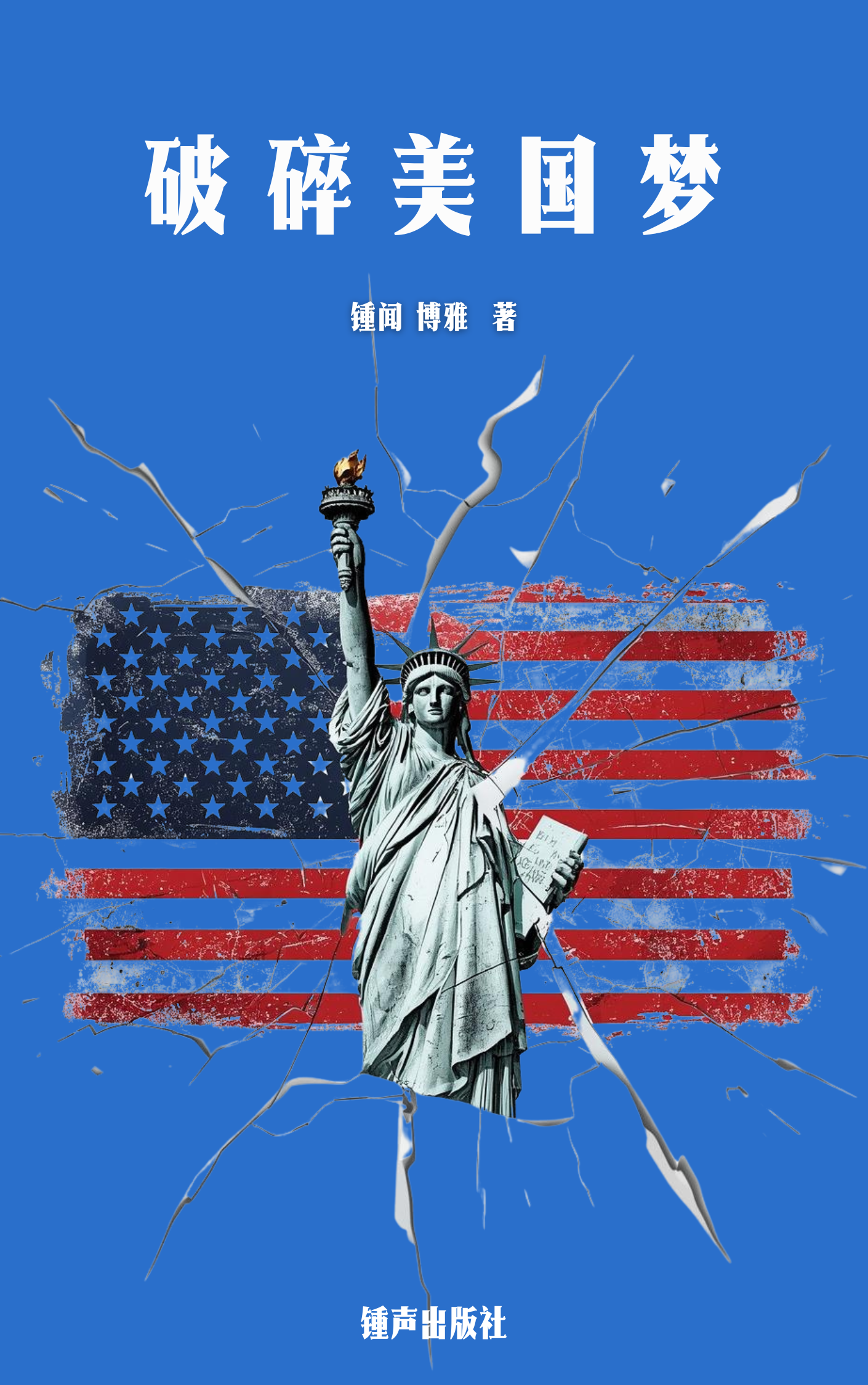
Volume II: Diagnosis of Failure and the End of the Dream
Part IV: The System’s “Resistance” — A Diagnosis of Democracy’s Disease
Chapter 56: Vested Interests: The Alliance of Beneficiaries of Institutional Failure — Policy Entrenchment and the Iron Triangle Resisting Reform
This chapter will provide an in-depth analysis, from the perspective of political economy, of the most influential vested interest groups in American society. We will argue that these groups are the direct and greatest beneficiaries of institutional failure. Through complex lobbying, campaign finance (Chapter Fifty-Four), and infiltration of the administrative system, they have formed an “alliance of beneficiaries” collectively committed to locking in existing policies and resisting any reforms that might threaten their excess profits, thereby maintaining the system’s “resistance.”
First Thesis: The Symbiotic Relationship Between Institutional Failure and Vested Interests
I. The “Profit Centers” of Institutional Failure
In Chapter Fifty-One, we defined the original intent of institutions as channeling self-interest toward the public good. However, when the restraining and accountability functions of institutions fail (Chapter Fifty-Two), specific economic sectors and industries can transform this failure into enormous, sustained “supra-normal profits.”
Symbiotic Relationship: These vested interest groups are both “products” and “maintainers” of institutional failure. They have immense economic incentives to lock in the policies and legal loopholes that benefit them.
II. The Composition of the Alliance of Beneficiaries: The Iron Triangle of Power Centers
This chapter will focus on three of the most representative “iron triangles” of vested interests that systematically lock in American public policy and budgets: the Military-Industrial-Congressional Complex; the Healthcare-Insurance-Pharmaceutical Complex; and the Energy-Fossil Fuel-Regulatory Complex.
Second Thesis: The Three Iron Triangles: Policy Entrenchment and Resistance to Reform
III. Iron Triangle One: The Perpetual Motion Machine of Defense and the Military-Industrial Complex
The defense industry is the most classic case of institutional lock-in and resistance to reform:
Entrenched Policy: Unlimited congressional appropriations for defense budgets, especially weapons procurement.
Mechanisms of Resistance to Reform:
The Extreme of the Revolving Door: Retired generals and senior defense officials move directly into the boards of defense contractors or work as lobbyists (Chapter Fifty-Four).
Local Interest Lock-In: Members of Congress lobby to allocate weapons contracts to their own districts to secure local employment (“political localism”), ensuring that any proposal to reduce military spending faces bipartisan opposition.
Institutional Self-Mutilation: This mechanism causes defense spending and weapons procurement to be driven by political needs and industry profits rather than actual defense strategy, leading to massive waste.
IV. Iron Triangle Two: The Entrenchment of Excessive Profits in Healthcare and Pharmaceuticals
The healthcare system represents one of the most concentrated areas of institutional failure and social suffering, while also being a source of excessive profits for vested interests:
Entrenched Policy: Maintaining a complex, fragmented, privatized healthcare insurance system, along with pharmaceutical patent protections and lack of pricing regulation.
Mechanisms of Resistance to Reform:
Massive Lobbying Expenditures: The healthcare and pharmaceutical industries are among the highest spenders on congressional lobbying. They have successfully blocked any reforms that might threaten their profits, such as single-payer systems or pharmaceutical price negotiations.
Physician-Hospital-Insurer-Pharma Alliance: Physicians, hospitals, insurance companies, and pharmaceutical manufacturers form a vast network of interests that collectively maintain a system encouraging “overtreatment” and “high-cost services” rather than preventive care.
Institutional Self-Mutilation: This system transforms healthcare—a fundamental public good (Chapter Fifty-One)—into an extremely expensive commodity for private profit, directly causing millions to go bankrupt due to high medical costs and exacerbating inequality.
V. Iron Triangle Three: Energy and Obstruction of Climate Action
The energy industry, particularly the fossil fuel sector, represents the epitome of institutional lock-in’s evasion of the global public good:
Entrenched Policy: Maintaining tax breaks and subsidies for fossil fuels while obstructing environmental regulations aimed at addressing climate change.
Mechanisms of Resistance to Reform:
Funding Climate Denial: Funding think tanks, scientists, and politicians to promote skepticism about climate change, thereby creating scientific and political gridlock in Congress (Chapter Twelve).
Infiltration of Administrative Agencies: Placing former executives and lobbyists in high-level regulatory positions at the Environmental Protection Agency and Department of Energy, achieving “inside regulation” and turning regulatory agencies into servants of industry interests.
Institutional Self-Mutilation: This group has successfully used institutional gridlock to prioritize short-term private economic profits over the long-term survival interests of humanity (the climate public good).
Third Thesis: The Deepening of Resistance: The Universality of Lock-In
VI. Common Characteristics of Lock-In: Asymmetries of Resources and Knowledge
The success of these vested interest groups reveals the common characteristics of institutional failure:
Asymmetry of Resources: They possess virtually unlimited funds to purchase “access” and “lobbying time” (Chapter Fifty-Four), drowning out the voices of ordinary citizens.
Asymmetry of Knowledge: They employ top-tier experts and lawyers to design complex, seemingly legal policy loopholes, making it difficult for ordinary members of Congress and the public to understand or effectively counter them (Chapter Fifty-Five).
VII. Chapter Conclusion: The Obstacle to Reconstitution
The analysis in Chapter Fifty-Six proves that the challenge facing American democracy is not merely technical or normative, but fundamentally structural in terms of power distribution.
Core Diagnosis: The “alliance of beneficiaries” formed by vested interests is the physical embodiment of institutional lock-in and resistance to reform. They collectively maintain a system that benefits them and serve as the most powerful obstacle to any reforms aimed at achieving the public good.
The Urgency of Reconstitution: Any effort to repair the American Dream must directly challenge and dismantle the lock-in of public policy by these vested interest alliances. This requires not merely policy changes, but a fundamental restructuring of the distribution of power.
 正义钟声 Voice of Justice