
The COLLAPSE OF THE AMERICAN DREAM
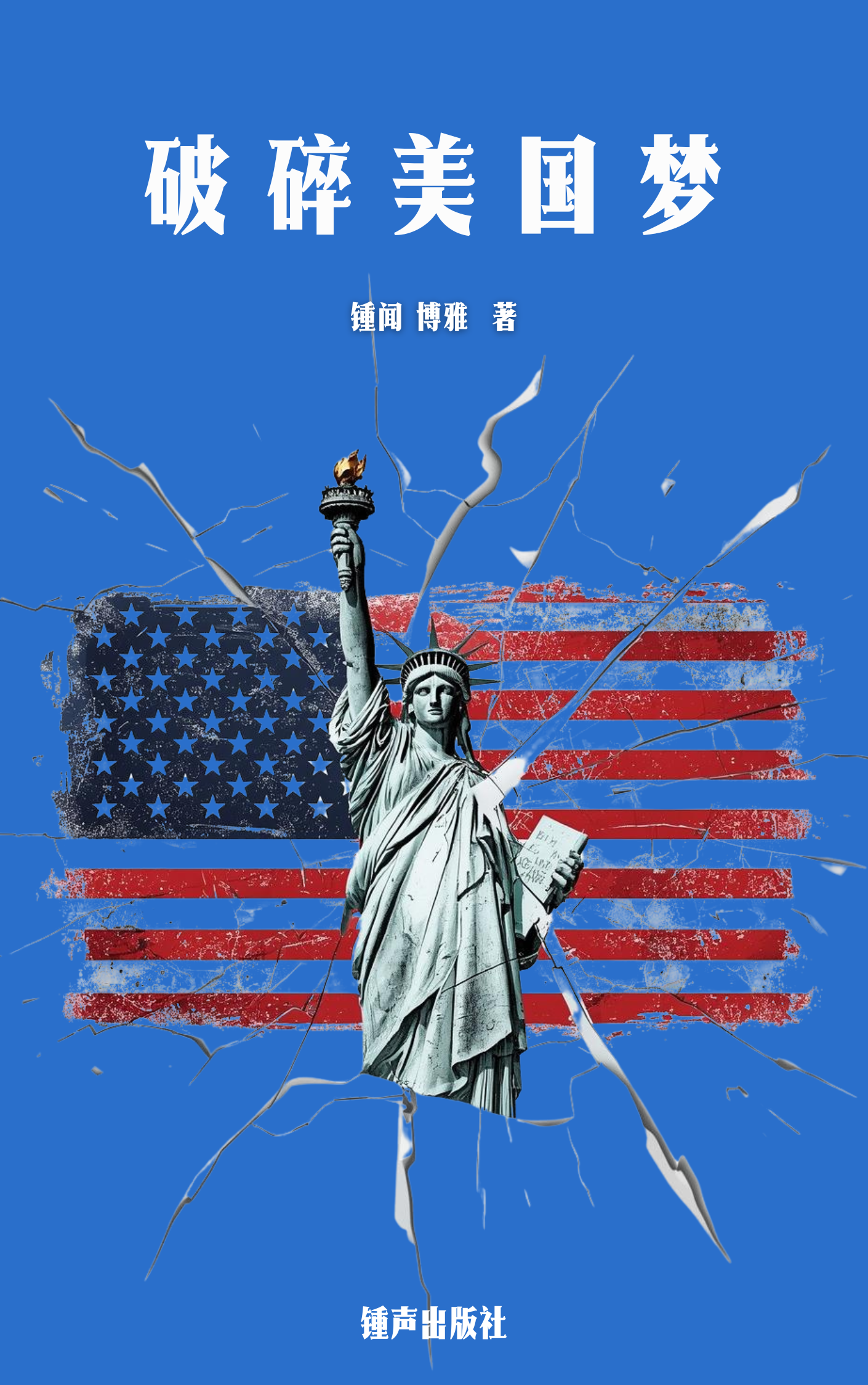
Volume II: Diagnosis of Failure and the End of the Dream
Part IV: The System’s “Resistance” — A Diagnosis of Democracy’s Disease
Chapter 54: Campaign Finance: Legalized Bribery and Institutional Self-Mutilation — The Legal Control of Public Policy by Private Interests
This chapter will return to one of the core issues of this book—money politics (Chapter Twenty-One)—and provide a deeper diagnosis of institutional failure. We will conduct an in-depth analysis of how campaign finance exploits legal loopholes to form a mechanism of “legalized bribery,” enabling private interests to systematically and legally control public policy. This marks the system’s “institutional self-mutilation.”
First Thesis: Legalized Bribery: Definition and Mechanisms
I. The Essential Transformation from “Bribery” to “Campaign Finance”
Legally, “bribery” refers to the exchange of money for specific, illegal official acts. However, in American politics, campaign finance has evolved into a more systematic and difficult-to-prosecute form of “legalized bribery.”
Definition: “Legalized bribery” refers to the process by which wealthy individuals, corporations, and special interest groups, by providing massive political funds within the bounds permitted by law, exchange for systematic preferential attention and policy favoritism from public officials on behalf of their interests.
The Core Mechanism: This mechanism does not rely on a single, explicit transaction (for example, giving money in exchange for a vote), but on “relationship building” and “systematic influence.” Donors purchase “access” and “agenda control.”
II. The Highest Form of Loophole Exploitation: The Collusion of Courts and “Soft Money”
The reason campaign finance has become “legalized bribery” lies in the American judicial system’s “legalization” of legal gray areas:
Citizens United Case: The Supreme Court ruled that corporate and union political spending constitutes “free speech” protected by the First Amendment. This ruling represents the highest judicial manifestation of the system’s “resistance” (Chapter Fifty-Two).
The Proliferation of “Soft Money”: This ruling enabled Super PACs to receive and spend unlimited sums of money (“soft money”) to support or oppose candidates. Legally, these funds are independent of candidates, but in political reality, their objectives are highly coordinated.
Second Thesis: Institutional Self-Mutilation: The Systematic Distortion of Public Good Objectives
III. Self-Mutilation One: The “Adverse Selection” Mechanism for Political Talent
The campaign finance mechanism creates an “adverse selection” effect on political talent—the first form of institutional self-mutilation.
The Barrier of Talent: Potential candidates for public office must spend the vast majority of their time and energy on “fundraising” rather than “governance.” This makes it easier for those skilled at serving donors, rather than serving the public, to enter the centers of power.
The Lock-In of Policy: Candidates who propose policies challenging donor interests (for example, restricting Wall Street, raising taxes on large corporations) are often eliminated in the first round of campaign fundraising. This causes policy options to be “pre-screened” before campaigns even begin, removing the public good from the agenda.
IV. Self-Mutilation Two: The “Money-Driven” Legislative Agenda
On Capitol Hill, campaign finance has caused systematic distortion of the legislative agenda—the second form of institutional self-mutilation.
Priority of Time: The time priorities of members of Congress often are: meeting with major donors > briefings from lobbyists > committee hearings > meeting with ordinary constituents.
Policy Favoritism: The language of legal provisions is often provided by industry lobbyists. These provisions are technically extremely favorable to the corporations that provide campaign funds, but in spirit severely harm the public interest (for example, tax loopholes, relaxation of environmental regulations).
The Legal Control of “Self-Interest”: In this system, the self-interest of legislators in seeking reelection (needing funds) and the self-interest of major donors (needing favorable policies) are perfectly and legally combined, together replacing the public interest.
V. Self-Mutilation Three: The Ultimate Collapse of Public Trust
The exposure of campaign finance mechanisms to public view has led to the ultimate collapse of public trust in democratic institutions (one of the roots of Chapter Forty-Four)—this represents the mutilation of institutional spirit.
The Solidification of Cynicism: The public generally believes that “Washington is bought by money.” This cynicism is extremely dangerous because it leads the public to believe that, regardless of whether they vote, policy will be decided by the wealthy.
Providing Ammunition for Populism: This perception of “institutional corruption” provided the most direct and accessible ammunition for “actors” like Trump (“drain the swamp”). The rise of populism was precisely a desperate counterattack against this phenomenon of “legalized bribery.”
Third Thesis: Conclusion: The Unavoidable Core of Reconstitution
The analysis in Chapter Fifty-Four proves that money politics is not merely one problem among many in American democracy; it is the core and summation of the system’s “resistance.”
Core Diagnosis: Campaign finance is the bridge by which private interests legally control public policy. It has completely inverted the original intent of institutional design (Chapter Fifty-One)—to restrain self-interest and serve the public good.
The Challenge of Reconstitution: Any effort to repair American democracy must center on fundamentally reforming the campaign finance system. Without cutting off this pipeline of “legalized bribery,” all other repairs (for example, strengthening election norms, media oversight) will be futile, because private interests will forever be able to purchase the gray areas of law and control of politics.
NEXT: Chapter 55: Elite Escape: From Tax Evasion to Responsibility Avoidance — Institutional “Unfairness” Under a Complex System
 正义钟声 Voice of Justice