
The COLLAPSE OF THE AMERICAN DREAM
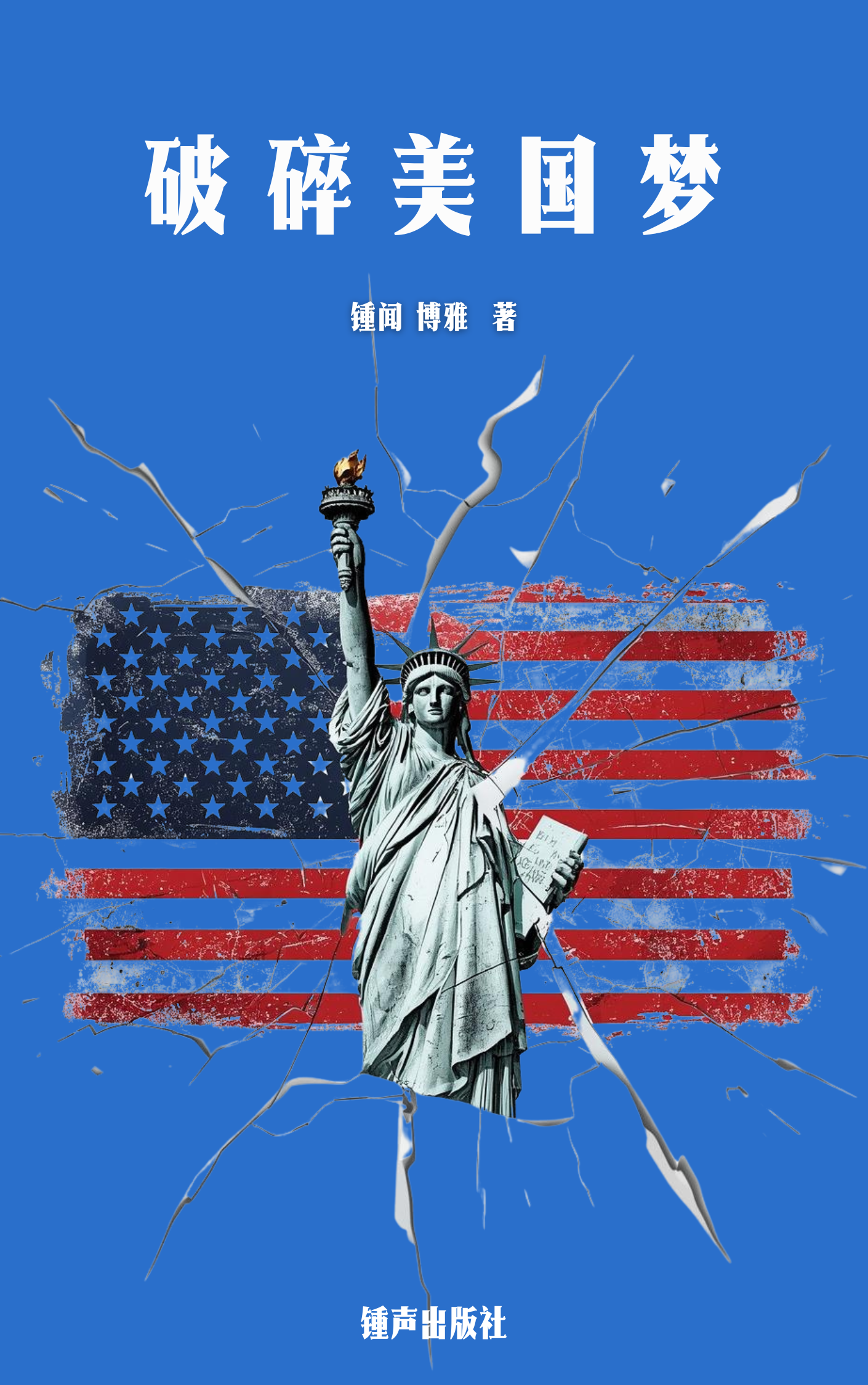
Volume II: Diagnosis of Failure and the End of the Dream
Part IV: The System’s “Resistance” — A Diagnosis of Democracy’s Disease
Chapter 53: Legal Obsolescence: Inability to Keep Pace with Technology and Finance — The “Digital” Frontier of Institutional Failure
This chapter will analyze another critical dimension of American institutional failure: the existing legal framework, especially the Constitution and its derived regulatory systems, can no longer effectively keep pace with the speed of change in modern technology, finance, and the information age. We will argue that this “legal obsolescence” has created new, unregulated gray areas for self-interest, accelerating the emergence of the system’s “resistance.”
First Thesis: The Adagio of Law and the Allegro of Technology
I. The Slow Mechanisms of Constitutional Design
The American Constitution (Chapter Twenty-Four) and its legal system were built in a relatively slow, stable, and predictable era. The legislative process was deliberately designed to be slow and require consensus (Part Two), intended to guard against momentary passions or the tyranny of the majority.
The Adagio of Legislation: Passing a major bill through Congress often takes years, navigating countless committees and political gridlock (Chapter Twelve).
The Rigidity of Constitutional Amendment: Amending the Constitution is even more difficult, having entered a state of near “lock-in” (Chapter Twenty-Four).
However, modern society’s technology, finance, and information flows have entered an extremely fast “allegro.”
The Allegro of Innovation: Emerging technologies (such as AI, blockchain) can disrupt billion-dollar industries and the livelihoods of millions of people within months.
II. The “Time Lag” Between Law and Technology: The Emergence of Gray Areas
This “time lag” between the adagio of law and the allegro of technology is precisely the new gray area where the system’s “resistance” and “loophole exploitation” behavior (Chapter Fifty-Two) can proliferate on a large scale.
Regulatory Vacuum: The legal framework cannot anticipate or define the nature of emerging phenomena (for example, is cryptocurrency a currency, a commodity, or a security?), leading to regulatory vacuums.
Safe Havens for Self-Interest: This provides actors pursuing self-interest (financial speculators, information manipulators, tech giants) with unregulated safe havens where they can bypass old norms.
Second Thesis: The “Digital” Frontier of Institutional Failure: Specific Case Studies
III. Case Study One: Digital Finance and Regulatory Misalignment
The development of digital finance has completely overturned traditional financial regulatory models, exposing legal obsolescence:
The Challenge of Cryptocurrency: Traditional financial regulations (such as securities law, banking law) struggle to apply to decentralized cryptocurrencies and blockchain technology. The lack of effective regulation over these trillions of dollars in assets has led to massive speculative bubbles, financial risks, and criminal activities such as money laundering.
The Impotence of Institutions: While Congress and regulatory agencies (such as the SEC, CFTC) debate how to define and regulate these new phenomena, the market has already grown at an astonishing speed, with the law perpetually in a state of “catching up.” Self-interest (quick wealth, evading traditional taxes and regulations) has been unleashed to its maximum extent in the digital finance sector.
IV. Case Study Two: Social Media and the Unregulable Information War
The emergence of social media (such as Facebook, X, YouTube) poses fundamental challenges to traditional constitutional and media law:
The Dilemma of the First Amendment: The First Amendment protects free speech. However, social media companies are simultaneously neutral platforms and content curators. Existing laws cannot effectively define their responsibility for disinformation, incitement of hatred, and foreign interference (Chapter Thirty-Five).
The Unregulable Information War: The global, real-time nature of social media dissemination (Chapter Thirty-Five) renders traditional laws (such as defamation law, political advertising law) completely ineffective. This provides political “actors” and foreign adversaries with extremely low-cost channels for spreading disinformation and manipulating elections (Chapter Thirty-Eight).
The Corrosion of Institutions: Self-interest (traffic, data, political influence) has been unleashed in an unregulated manner in the information sphere, directly destroying the “shared foundation of facts” essential for democratic functioning.
V. Case Study Three: Artificial Intelligence and the Imbalance of Power Distribution
The rapid development of artificial intelligence presents legislators with complex ethical and structural issues beyond their current capacity:
The Dilemma of Regulation: Existing laws struggle to address AI’s autonomous decision-making, algorithmic discrimination, and privacy violations. For example, who is responsible for harm caused by AI? The programmer, the company, or the AI itself?
The Concentration of Power and Knowledge: Due to the complexity and high cost of AI technology, power and knowledge are extremely concentrated in the hands of a few large technology companies. This completely contradicts the constitutional original intent of dispersing power and preventing excessive concentration (Chapter Fifty-One).
Third Thesis: The Deepening of Resistance: From Gray Areas to Complete Failure
VI. The Intensification of Political Inertia: The Inability to Legislate
America’s legal obsolescence stems not merely from technological complexity, but more importantly from institutional inertia and political lock-in.
The Political Influence of Tech Giants: Technology and financial giants use their enormous financial resources, through lobbying (Chapter Twenty-One) and campaign contributions, to actively block or soften any legislation that might restrict their operations.
The Impotence of Partisanship: Partisan political polarization (Chapter Fourteen) makes it difficult for the two parties to reach consensus in complex emerging fields; any regulatory effort may be portrayed as an “attack on liberalism” or an “infringement on free speech.”
VII. Chapter Conclusion: The Digital Challenge of Reconstitution
The analysis in Chapter Fifty-Three reveals the most pressing digital challenge facing the American democratic system.
Core Diagnosis: Legal obsolescence is a structural source of the system’s “resistance.” When old laws cannot constrain new technologies, self-interest will forever outpace the public good.
The Urgency of Reconstitution: Any effort to repair American democracy must first address how to reconstruct a legislative and regulatory system capable of keeping pace with the era of technology and finance. This requires the political system to break free from its ingrained “adagio” rhythm.
NEXT: Chapter 54: Campaign Finance: Legalized Bribery and Institutional Self-Mutilation — The Legal Control of Public Policy by Private Interests
 正义钟声 Voice of Justice