
The COLLAPSE OF THE AMERICAN DREAM
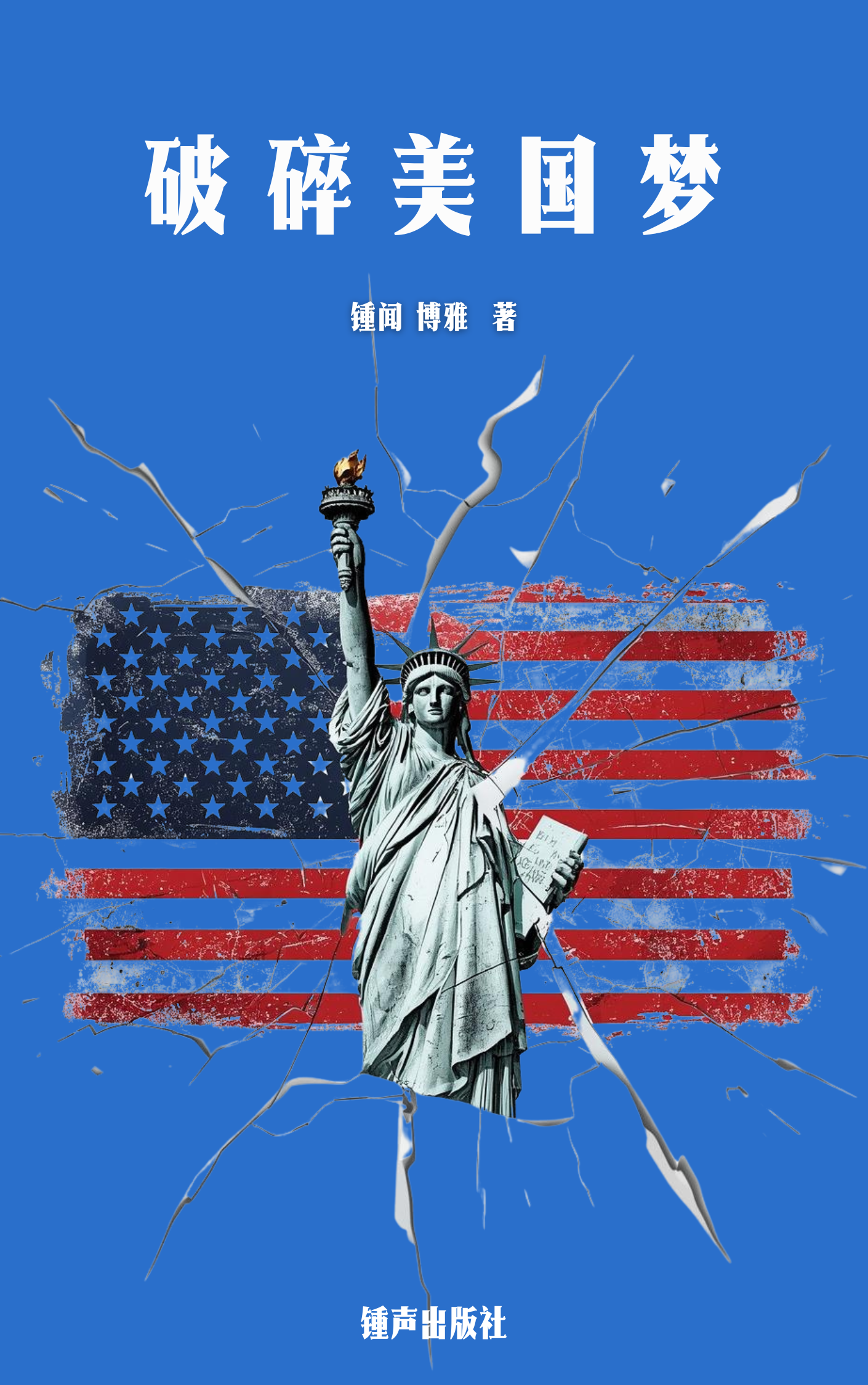
Volume I: Institutional Failure and the Twilight of the Giant
Part III: The Actor and the Placebo — The Historical Positioning of the Trump Phenomenon
Chapter 50: The Brink of Fragmentation — From the Actor’s Exit to Cultural Civil War
This chapter will serve as the conclusion of Part Three and provide a critical transition to Part Four of this book, “Cultural Civil War: The Ultimate Fragmentation of Ideology.” We will summarize the impact of the Trump phenomenon and point out that the United States stands on the “brink of fragmentation,” laying the groundwork for the next stage of exploring deep cultural divisions.
First Thesis: Core Summary: The Convergence of Three Driving Forces
The first three parts of this book have detailed the three driving forces that plunged the United States into the “Winter of Stalemate” (Chapter Forty-Nine). These forces converged during the Trump era, pushing the nation to the brink:
Economic Despair (Part One): Decades of inequality and deindustrialization created collective trauma, providing the soil for populism.
Institutional Paralysis (Part Two): The lock-in of constitutional structures and the impotence and rigidity of the political machine left public anger with no outlet through conventional channels.
The Actor’s Impact (Part Three): Trump as an “actor” (Chapter Twenty-Six) precisely exploited the failures of the first two forces. Through his “instinct for destruction” (Chapter Thirty-Three) and performance as an “emotional symbol” (Chapter Thirty-One), he brought underlying structural contradictions into the open, radicalized them, and normalized them.
Second Thesis: The State of the Brink: Irreversible Risks
“The brink of fragmentation” refers to the current state of the United States: a period of immense risk where the nation can no longer rely on old norms to function.
The End of Institutional Credit: The core democratic compact—the credibility of accepting peaceful transitions and election results (Chapter Thirty-Eight)—has been shattered. When the public no longer trusts the ballot, the foundation of democracy is fundamentally shaken.
The Solidification of Psychological Trauma: Political opposition has evolved from policy disagreements into collective psychological trauma and animosity. The Capitol riot (Chapter Thirty-Nine) was not merely a political event but the materialization of social hatred.
The Emptiness of Global Leadership: The vacuum left by America’s “inward contraction” (Chapter Forty-Six) has led to a widespread crisis of confidence in the stability of the American system among the international community (Chapter Forty-Seven).
Third Thesis: Moving Toward Part Four: The Engine of Cultural Civil War
Although the Trump phenomenon pushed the nation to the brink, Part Three also reveals that the underlying driving force of the “actor’s” success was not merely economic, but cultural and identity-based warfare. Therefore, to understand America’s future, one must dig deeply into the ideological engine driving the “normalization of division.”
The Elevation of the Issue: Political struggle is no longer about “how to distribute wealth,” but about “who we are” and “who truly owns America.”
The Lock-In of the Next Stage: Part Four will focus on “Cultural Civil War,” analyzing how the resurgence of traditionalism represented by white nationalism engages in ultimate confrontation with progressive leftism and identity politics (Chapter Forty-One). This cultural opposition is far more difficult to reconcile than any policy disagreement.
Conclusion: From Diagnosis to Essence
Summary of Part Three: Trump was a diagnosis of institutional failure. His four years in office were the inevitable political fever of a political system made rigid by its own ossification.
Part Four Takes Over: To understand the essence of this “fever” and its future trajectory, we must descend to the deepest layers of the broken American Dream—the ideological conflict over national identity, values, and the distribution of power.
“The actor has left the stage, but the public’s anger has not dissipated. Because the script for this drama had long been etched into America’s fractured cultural and institutional structure.”
 正义钟声 Voice of Justice