
The COLLAPSE OF THE AMERICAN DREAM
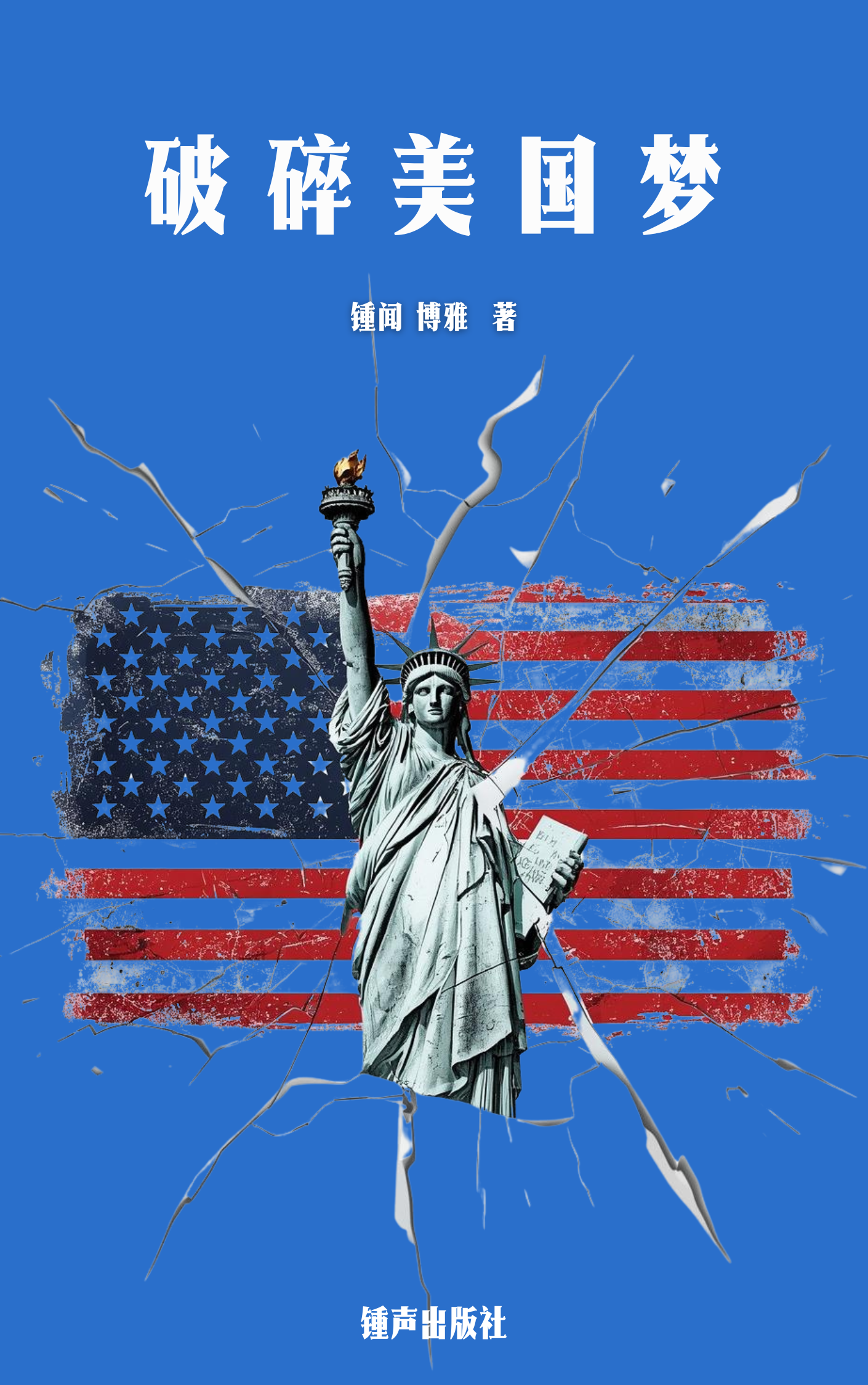
Volume I: Institutional Failure and the Twilight of the Giant
Part III: The Actor and the Placebo — The Historical Positioning of the Trump Phenomenon
Chapter 45: The End of American Exceptionalism — The Self-Negation of International Leadership
This chapter will provide an in-depth analysis, from the perspectives of international relations and historical studies, of the Trump administration’s withdrawal from and attacks on international organizations, treaties, and long-standing alliance relationships. We will argue that Trump’s “America First” policy (see Chapter Thirty-Four) was not merely isolationism in the traditional sense, but a systematic, self-destructive negation of America’s core identity since World War II as the “global leader” and “beacon of democracy”—that is, “American Exceptionalism.”
First Thesis: The History and Collapse of American Exceptionalism
I. The Definition of American Exceptionalism: Mission and Leadership
“American Exceptionalism” is a belief deeply embedded in American national identity: that the United States, by virtue of its democratic values, free markets, and moral superiority, is unique and bears a special mission to spread democracy and freedom throughout the world.
Core Pillars:
Moral Leadership: Serving as a global model of democratic values and human rights.
Multilateralism: Leading and maintaining the post-war international order (the United Nations, NATO, the WTO).
Economic Globalization: Promoting free trade and the flow of capital.
II. Trump’s Challenge: From “Exceptionalism” to “Unilateralism”
Trump’s “America First” policy represented a fundamental, systematic, endogenous challenge to American Exceptionalism.
Rejection of Moral Mission: Trump publicly questioned whether the United States should bear the responsibility of protecting global democracy and human rights. He reduced foreign policy to “transaction,” not “mission.”
The Destruction of Multilateralism: He viewed international organizations as constraints on American sovereignty and exploitation of American resources.
From “Beacon” to “Fortress”: America’s international image transformed from a maintainer and leader of the global system into a unilateral “fortress” building walls and focusing solely on its own interests.
Second Thesis: Self-Negation: Systematic Destruction of the International Order
III. Withdrawal from International Treaties and Organizations: A List of Destruction
The Trump administration’s destruction of the international order manifested the ultimate expression of his “instinct for destruction” (Chapter Thirty-Three) on the international stage:
Target of Destruction Withdrawal Action Impact on International Order
Climate and Environment Withdrawal from the Paris Climate Agreement Negated the necessity of global collective action; weakened American moral leadership on climate issues
Global Trade Withdrawal from the Trans-Pacific Partnership (TPP); initiation of multiple trade wars (Chapter Thirty-Four) Weakened the WTO; disrupted the stability of global supply chains painstakingly built over decades; transformed trade into zero-sum games
Security and Non-Proliferation Withdrawal from the Iran Nuclear Deal (JCPOA); threats to withdraw from the Intermediate-Range Nuclear Forces Treaty Increased risks of nuclear proliferation in the Middle East and globally; undermined the credibility of diplomatic solutions
International Cooperation Withdrawal from the UN Human Rights Council; suspension of funding for the World Health Organization (WHO) Weakened the authority of international multilateral institutions; created opportunities for competitors like China to fill power vacuums
IV. The Weaponization of Alliance Relationships: The Collapse of Trust
The practice of American Exceptionalism required a strong network of alliances. Trump systematically “weaponized” these alliance relationships.
Questioning NATO: He publicly characterized NATO members as “delinquents” exploiting the United States, rather than partners in collective defense. This questioning undermined the core credibility of American security commitments established after World War II.
The Transactionalization of Diplomacy: He transformed diplomatic relations into purely economic transactions. For example, he publicly praised authoritarian leaders in Russia and North Korea while criticizing traditional allies, delivering a tremendous shock to the value system of American foreign policy.
Third Thesis: The Internal Drivers and Historical Necessity of Trumpism
V. “America First”: Domestic Despair Projected onto the International Stage
Trump’s self-negation of international leadership was essentially the projection and catharsis of domestic political despair (Chapter Forty-Four) onto the international stage:
Punishing the Establishment: Withdrawing from international agreements was a public punishment of the Washington Establishment (Chapter Twenty-Seven) that had signed them.
Satisfying the Forgotten Class: His aggressive attacks on trading partners and his abandonment of global responsibilities satisfied the angry catharsis of Rust Belt (Chapter Twenty-Eight) voters regarding “foreign exploitation.”
The Actor’s Logic: His decision-making logic was driven by real-time political gratification, not long-term strategic interests.
VI. Historical Necessity: Exceptionalism Was Already Unsustainable
Even without Trump, “American Exceptionalism” had become unsustainable in the 21st century. Trump merely accelerated its end.
Economic Decline: The rise of China and the relative decline of American economic power made it difficult for the United States to bear the costs of global leadership alone as it once had.
Damaged Moral Credibility: The 2008 financial crisis, the failure of the Iraq War, and domestic political division had long since severely damaged America’s moral credibility as a “beacon of democracy.”
Trump’s “America First” was a crude acknowledgment that America was no longer “exceptional.”
VII. Chapter Conclusion: A More Chaotic World
Trump’s termination of American Exceptionalism marked a historic turning point in America’s post-World War II identity, with consequences that are far-reaching and difficult to reverse.
Power Vacuum: America’s retreat created a massive power vacuum internationally, allowing non-democratic powers like China and Russia to accelerate their expansion of influence, weakening the collective strength of the Western liberal democratic system.
Erosion of Credibility: The international community developed long-term skepticism about the credibility of American commitments. Even if future administrations attempt repairs, allies will find it difficult to trust that American long-term commitments are reliable.
The Internationalization of the “Broken American Dream”: America’s domestic divisions and institutional attrition (Part Two) have been transmitted to the international system, plunging the world into a new era of greater instability, chaos, and multipolar competition.
Trump’s international policies represented the final domino in the cascade of American domestic institutional failure and social despair onto the global stage.
 正义钟声 Voice of Justice