
The COLLAPSE OF THE AMERICAN DREAM
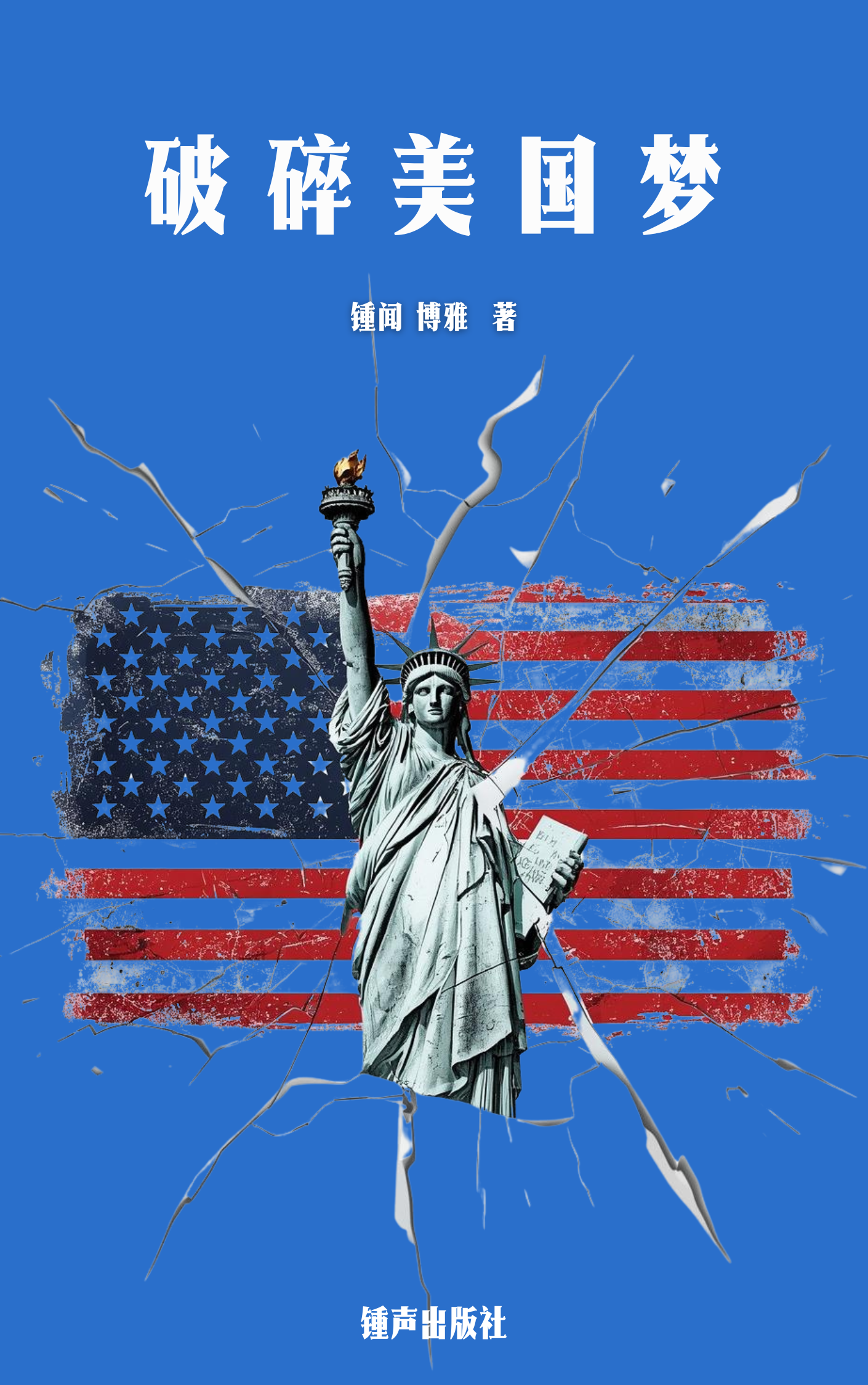
Volume I: Institutional Failure and the Twilight of the Giant
Part III: The Actor and the Placebo — The Historical Positioning of the Trump Phenomenon
Chapter 41: The Counteraction of Left-Wing Populism: The Intensification of Identity Politics — Driving the Spiral of Radicalization
This chapter will provide an in-depth analysis of a key political symmetry: the rise of right-wing populism (represented by Trumpism) did not occur in a vacuum, but rather formed an escalating “vicious cycle” with the reaction of left-wing politics. We will argue that Trumpism provoked the left to counter with more extreme identity politics and moral purity, pushing social polarization (Chapter Seven) and culture wars (Chapter Eight) to new extremes.
First Thesis: Symmetrical Radicalization: The Mutual Provocation of Right and Left
I. The Symmetry of Populism: Emotional Resonance
The core of populism is the division of society into the “morally pure people” and the “corrupt, evil elites.” In the “Winter of Stalemate,” this binary opposition manifested on both the left and right:
Right-Wing Populism (Trumpism): Defines the “forgotten white working class” as the people, and identifies the “Washington Establishment, globalists, and liberal media” as the enemy.
Left-Wing Populism (Extreme Identity Politics): Defines “marginalized groups” (based on race, gender, sexual orientation) as the people, and identifies “white privilege, patriarchy, and traditional elites” as the oppressors.
The commonality between these two forces is that both appeal to intense emotion and moral outrage, and both believe they are engaged in an “existential war.”
II. Mutual Radicalization Between Left and Right
The rise of Trumpism created a tremendous shock and moral anxiety among left-wing elites and supporters. This shock led to a “counter-radicalization” on the left:
Right-Wing Action: Trump used inflammatory language publicly, questioned elections (Chapter Thirty-Eight), and launched trade wars (Chapter Thirty-Four).
Left-Wing Counteraction: The left characterized these actions as an “existential threat” to democracy, progress, and human rights. This high-stakes assessment led them to believe that only equally extreme, equally morally pure measures could counter the threat.
This created a spiraling escalation of political cycles: the more extreme one side’s actions became, the more radical the other side’s counteraction grew, collectively pushing society away from the middle ground.
Second Thesis: The Polarization of Identity Politics: From Inclusion to Exclusivity
III. The Alienation of Identity Politics: The Threshold of Moral Purity
The original intent of identity politics was to protect the rights of marginalized groups and promote inclusion. But in the “post-Trump era,” it underwent alienation within the left:
The Hierarchization of “Victims”: Discourse within identity politics increasingly tended toward creating fine distinctions and hierarchies among different “victim” groups, making differences between groups and internal moral purity the central focus.
Exclusionary “Cancel Culture”: To maintain moral purity, the left increasingly used cancel culture and public shaming to exclude and punish those whose speech was deemed insufficiently “progressive” or fell short of current progressive standards.
Alienation from the “Forgotten Class”: This extreme identity politics and moral purity further alienated the Democratic Party and left-wing movements from the traditional blue-collar, non-college-educated white population (Chapter Twenty-Eight), solidifying their image as “cultural arrogance.”
IV. The Consequences of Extreme Counteraction: The Paralysis of Politics and Culture
Although the left’s extreme identity politics counteraction had moral legitimacy, it produced unintended political consequences:
The Paralysis of Public Discourse: When a public policy issue (such as climate change, healthcare reform) becomes entangled with complex identity politics, any rational debate based on facts becomes impossible. Opponents are no longer “those with differing opinions,” but “morally evil beings.”
Fuel for Right-Wing Populism: The language of extreme left identity politics, criticism of historical figures, and perceived restrictions on free speech became perfect propaganda material for right-wing populism. Trumpism framed these behaviors as attacks on “common sense” and “tradition,” effectively pushing moderate voters toward the right.
Third Thesis: The Lock-In of Institutions and Society: Dual Obstacles to Repair
V. The Death of Political Compromise: No Moral Space
The mutual provocation between left and right populism has caused the political system to lose the moral space for compromise.
Zero-Sum Moralization: Political struggle has been moralized into a war of “good versus evil.” Within this moral framework, compromising with the enemy is seen as betraying “principles and the people”—collusion with evil.
The Solidification of Congressional Gridlock: This directly solidifies the congressional gridlock analyzed in Part Two (Chapter Twelve). Any leader attempting substantive negotiation with the opposing side faces the risk of being “canceled” and attacked by their own party’s extreme base.
VI. Reaffirming the Historical Positioning of the Trump Phenomenon
The left’s counteraction ultimately confirms this book’s positioning of the Trump phenomenon:
Ex Post Facto Evidence: Trumpism proved that right-wing anger came first; the left’s radicalization proved that anger had infected the entire political spectrum.
The Actor’s Function: Trump perfectly played the role of the “villain” provoking left-wing radicalization. His existence caused the left to focus all its political energy on “anti-Trump” rather than on “repairing the system” (Chapter Twenty-Five). This allowed genuine structural problems to remain neglected.
VII. Chapter Conclusion: The Pernicious Consequences of the Polarization Spiral
The left’s counteraction and the intensification of identity politics represent the ultimate pernicious consequence of institutional attrition spreading to the social and cultural level in the process of the “Broken American Dream.”
The Dual Lock-In of Society: American society is no longer simply left versus right, but locked in a “polarization spiral” where right-wing populism (based on national identity) and left-wing populism (based on marginalized group identity) mutually propel each other.
The Risk to Democracy: This polarization spiral has caused the political system to lose elasticity, the capacity for compromise, and the ability to self-repair. When politics loses the middle ground and society is filled with moral outrage, the risk of democratic collapse is pushed to its highest point in history.
 正义钟声 Voice of Justice