
The COLLAPSE OF THE AMERICAN DREAM
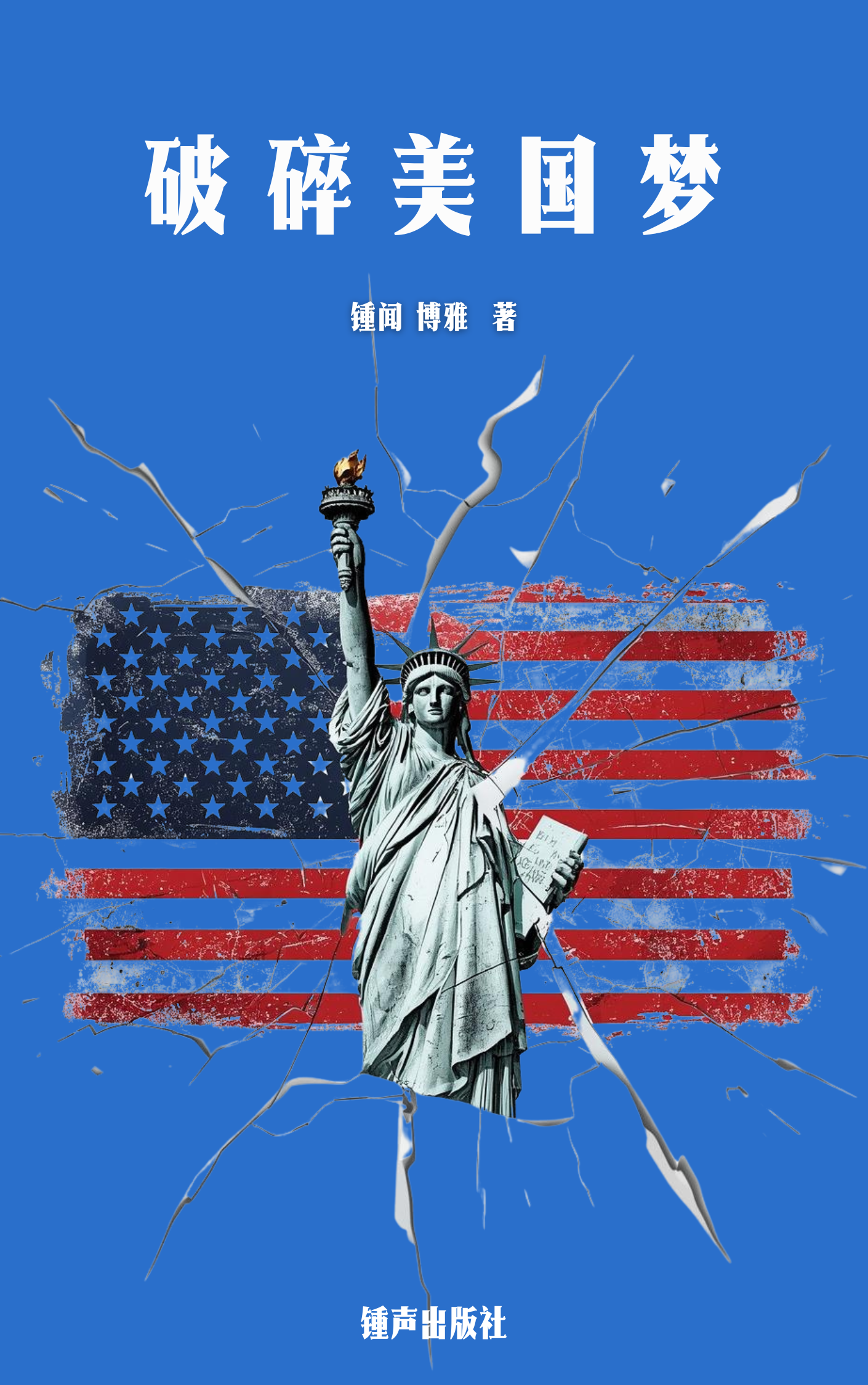
Volume I: Institutional Failure and the Twilight of the Giant
Part III: The Actor and the Placebo — The Historical Positioning of the Trump Phenomenon
Chapter 39: The Capitol Riot: The Ultimate Manifestation of Destructive Power — Assaulting the Highest Point of the System
This chapter will analyze, with a solemn tone, the Capitol riot that occurred on January 6, 2021. We will argue that this event marked the peak of Trump’s destructive power as an “actor” (Chapter Thirty-One) in its impact on the American constitutional system, representing the logical endpoint inevitably resulting from his “reality TV politics” and the “collapse of electoral integrity” (Chapter Thirty-Eight).
First Thesis: The Critical Threshold of Destructive Power: From Words to Action
I. The Actor’s Call and the Materialization of Symbols
The occurrence of the Capitol riot proved that Trump’s “performance art” (Chapter Thirty) and “anti-Establishment emotional symbol” (Chapter Thirty-One) had breached the boundary between virtual politics and real-world politics.
The Violentization of Language: Trump’s months-long narrative of a “stolen election” (Chapter Thirty-Eight), along with his direct calls at rallies for supporters to “fight,” transformed supporters’ anger and despair into actual political action.
The Materialization of Emotional Symbols: The rioters’ storming of the Capitol was the physical execution of Trump’s emotional symbol of “smash the swamp.” They were not seeking legislation, but seeking catharsis and disruption, attempting to prevent the constitutional process (the counting of electoral votes) from proceeding.
II. A Direct Assault on Constitutional Process: An Attempt at Subversion
The goal of the riot was to directly intervene in the most核心 process of the American constitutional system—Congress’s formal counting and certification of electoral votes.
Challenging National Sovereignty: This was an unprecedented challenge to national sovereignty and the peaceful transfer of power. It marked the first time since 1814 that the United States Capitol had been occupied by hostile forces.
The Ultimate Crisis of the System: This event exposed the ultimate crisis facing American democracy in the “Winter of Stalemate”: not only institutional gridlock (Part Two), but also a violent negation of the rule of law and the democratic compact.
Second Thesis: The Backlash of Institutions: The Manifestation of Extreme Symptoms
III. The Capitol: The Final Battleground of Institutional Attrition
The Capitol riot was the final battleground for all the institutional attrition and social fragmentation discussed in this book (Part One, Part Two):
Political Polarization and Hatred (Chapters Seven and Eight): The rioters viewed Congress as the “enemy’s” lair, proving that social fragmentation had evolved into hatred resembling civil war.
The Collapse of Electoral Integrity (Chapter Thirty-Eight): The riot was based on false beliefs about electoral fraud, proving the actual destructive power of overdrawing institutional credit.
The Extremity of Partisan Loyalty (Chapter Thirty-Six): Many members of Congress still attempted to challenge the election results after the riot occurred, demonstrating how “Trumpification” had allowed partisan loyalty to completely override democratic norms.
IV. The Ultimate Manifestation of the “Instinct for Destruction”
The Capitol riot was the ultimate manifestation of Trump’s “instinct for destruction” (Chapter Thirty-Three):
Only Knows How to Tear Down: The goal of this action was to overturn the election results and dismantle the constitutional process of peaceful transfer of power. It proved that violent destruction had become the actor’s final recourse when impotent within the system.
Incapable of Construction: The riot was inevitably a failure. It had no “constructive” goals; it was merely an extreme catharsis of emotion and anger (Chapter Thirty-Two). This proved that politics driven by destruction ultimately leads only to chaos and failure.
Third Thesis: The Historical Positioning of the Event and Its Consequences
V. The Counterattack of Impeachment: The System’s Futile Struggle
The Capitol riot directly led to Trump’s second impeachment (Chapter Thirty-Seven).
The System’s Awakening: The riot forced some traditional Republicans (the Establishment) to briefly awaken from “Trumpification,” recognizing the real threat Trump posed to democratic institutions.
The Failure of the Counterattack: Nevertheless, the impeachment ultimately still failed, proving that institutional lock-in and partisan loyalty could not be broken even in the face of political violence.
VI. The “Actor” and the Lock-In of the System
The historical significance of the riot lies in its marking the peak of the “actor’s” assault on the system, leading the system into an even more dangerous state of lock-in:
Impossible Reconciliation: This event created an insurmountable “bloodline” between the two parties, making any possibility of compromise or reconciliation even more remote.
The Normalization of Violent Politics: It introduced political violence into the discourse of American politics, opening Pandora’s box for even more extreme political actions in the future.
VII. Chapter Conclusion: The Inevitable Outcome of an Age of Despair
The Capitol riot was an inevitable outcome of the combined effects of institutional failure and social despair in the process of the “Broken American Dream.”
The Actor’s Ultimate Performance: This was Trump’s final and most dangerous performance as an “actor.” It proved that his charisma could not only win votes but also incite violence.
The Tragedy of the System: This event demonstrated the impotence, fragility, and tragedy of the American constitutional system when confronted with an “atypical” political figure spawned by its own defects. The system was assaulted at its highest point, yet could not engage in effective and lasting self-repair through its own mechanisms.
 正义钟声 Voice of Justice