
The COLLAPSE OF THE AMERICAN DREAM
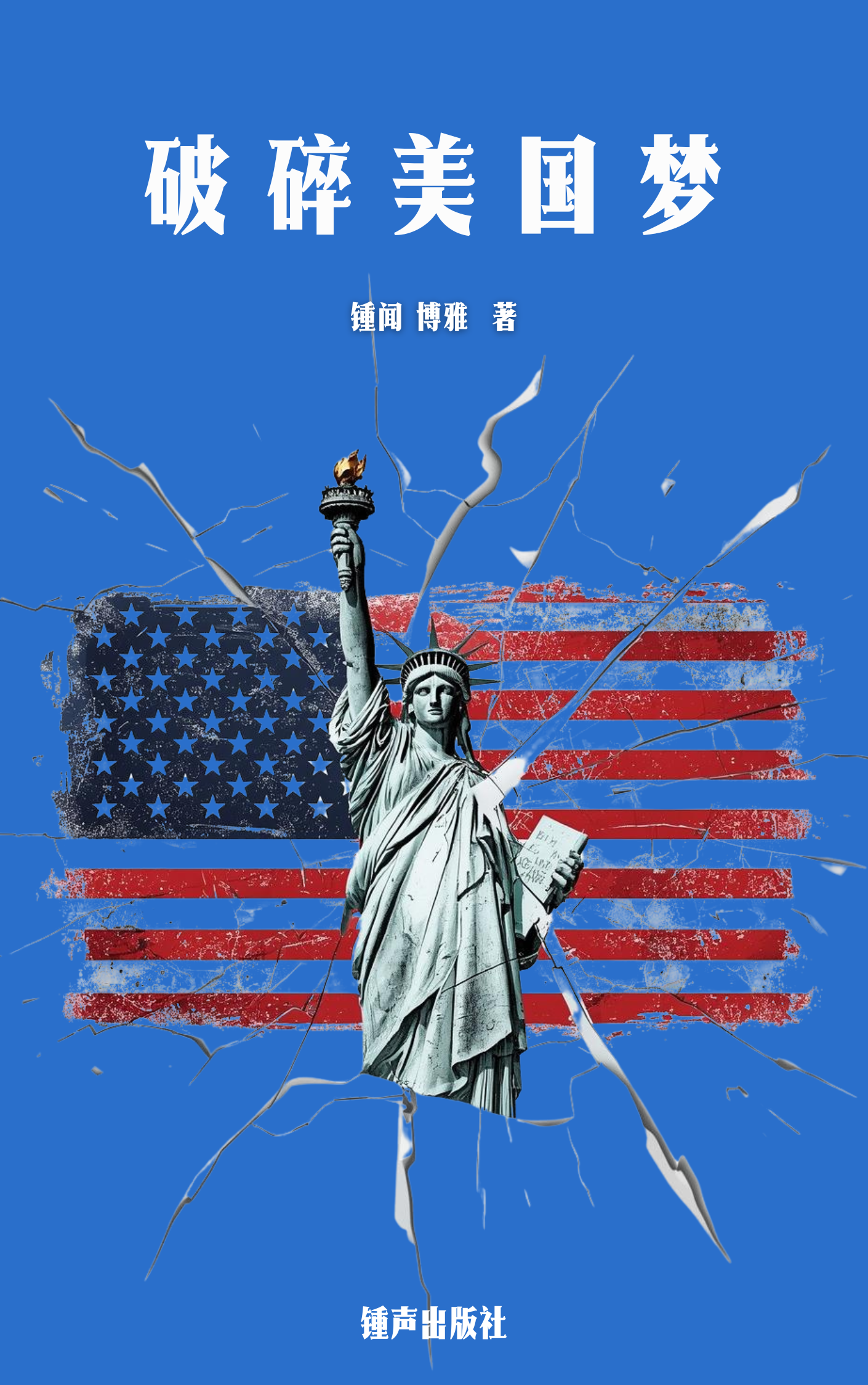
Volume I: Institutional Failure and the Twilight of the Giant
Part III: The Actor and the Placebo — The Historical Positioning of the Trump Phenomenon
Chapter 36: The Price of Loyalty: The “Trumpification” of the Republican Party —
The Complete Reshaping of the Political Landscape
This chapter will provide a profound analysis of how Trump’s influence as an “actor” transcended his person to completely reshape the oldest political party in American history—the Republican Party. We will explore how traditional political factions were “Trumpified” by his personal charisma and the wave of populism, causing a fundamental transformation in its ideology, operational methods, and attitude toward democratic norms.
First Thesis: The Transformation of a Political Party: From Ideology to Personality Cult
I. The Disintegration of the Traditional Republican Party: The Collapse of the Conservative Consensus
Before Trump emerged, the core of the traditional Republican Party (the Establishment, Chapter Twenty-Seven) was the “Reagan Consensus”: fiscal conservatism, free trade, social conservatism, and a strong foreign policy.
The Rupture of Consensus: Trump’s emergence represented the complete collapse of this consensus. He openly opposed free trade (Chapter Thirty-Four), ignored fiscal deficits (Chapter Nineteen), and shifted foreign policy toward isolationism.
The Transfer of Loyalty: The center of power within the Republican Party was no longer ideology or policy platforms, but personal loyalty to Trump as an “actor.”
II. The Definition of “Trumpification”: Populism’s Victory Over the Establishment
“Trumpification” refers to the process by which a traditional political party is hijacked and reshaped by a single, unconventional populist leader. This process has two core characteristics:
The Populization of Ideology: Policy is simplified into culture wars and anti-Establishment posturing, replacing deliberative policy debate.
The Personalization of Institutions: Party operations shift from a set of norms and rules (such as party platforms, committees) to unconditional defense of the leader’s “chosen one” mythology (Chapter Twenty-Nine).
Second Thesis: The Price of Loyalty: The Sacrifice of Political Norms
III. The Sacrifice of Democratic Norms: Silence and Complicity
The highest price of the Republican Party’s “Trumpification” was its sacrifice of democratic norms and institutional integrity.
“Silent Complicity”: Many traditional Republican politicians, even those privately dissatisfied with Trump’s behavior, chose silence or public support to avoid angering his powerful base of supporters (the “Trump voters”). This silence was a betrayal of democratic institutions (such as the rule of law, acceptance of election results).
Party Above All: The Republican leadership systematically prioritized partisan interests (maintaining power) over institutional interests. For example, they refused to punish party members who challenged election results, instead marginalizing “anti-Trump” conservatives who insisted on facts and norms.
IV. The Sacrifice of “Facts”: Politics in Service of Narrative
“Trumpification” required party members to subordinate facts, expertise, and independent judgment to Trump’s personal narrative.
The Normalization of “False Claims”: The Republican Party internalized Trump’s “anti-language” and false claims (Chapter Thirty) as its official positions, allowing lies and conspiracy theories to spread within the party.
The Marginalization of Expertise: Within the executive branch and Congress, the voices of technical experts and scientists were marginalized or replaced. Decision-making processes became dominated by “loyalty tests” serving Trump’s personal political interests.
Third Thesis: The Reshaping of the Political Landscape: The Victory of the Rust Belt
V. Geographic and Class Restructuring of the Voter Base
“Trumpification” fundamentally changed the Republican Party’s voter base:
The Victory of the Rust Belt: The Republican Party transformed from a party primarily representing the South, suburbs, and affluent classes into a party with a strong base in the Rust Belt and the forgotten class (Chapter Twenty-Eight).
The Shift of Economic and Cultural Focus: The party’s focus shifted from Wall Street fiscal conservatism to culture wars, protectionism, and hostility toward immigration. This further eroded Democratic influence in traditional blue-collar regions.
VI. The Transformation of Party Operations: From Committees to Personal Rallies
Trump’s “performance art” (Chapter Thirty) also reshaped the party’s operational model:
The Ascendancy of Rally Politics: Political power was no longer concentrated primarily in congressional committees and behind-the-scenes negotiations, but in the president’s personal rallies and social media platforms. This represented a circumvention of the “congressional gridlock” mechanism discussed in Part Two.
The Threat of “Outsider” Status: Anyone within the party attempting to challenge Trump would immediately face his public condemnation and risk being purged by his “traffic army.” This彻底 silenced dissenting voices within the party.
VII. Chapter Conclusion: A Party That Has Lost Its Soul
The “Trumpification” of the Republican Party was a landmark event in the process of the “Broken American Dream.”
A Victim of Institutions: A major political institution, in order to cater to the populist wave and maintain power, sacrificed its core ideology and its allegiance to democratic norms. This demonstrated that in the “Winter of Stalemate,” institutional integrity is more fragile than a party’s survival.
The Polarization of Politics: “Trumpification” transformed American politics from a model of two-party competition into a polarized struggle of “Trump/anti-Trump.” This made political opposition more personal and emotional, further accelerating social fragmentation and internal attrition.
 正义钟声 Voice of Justice