
The COLLAPSE OF THE AMERICAN DREAM
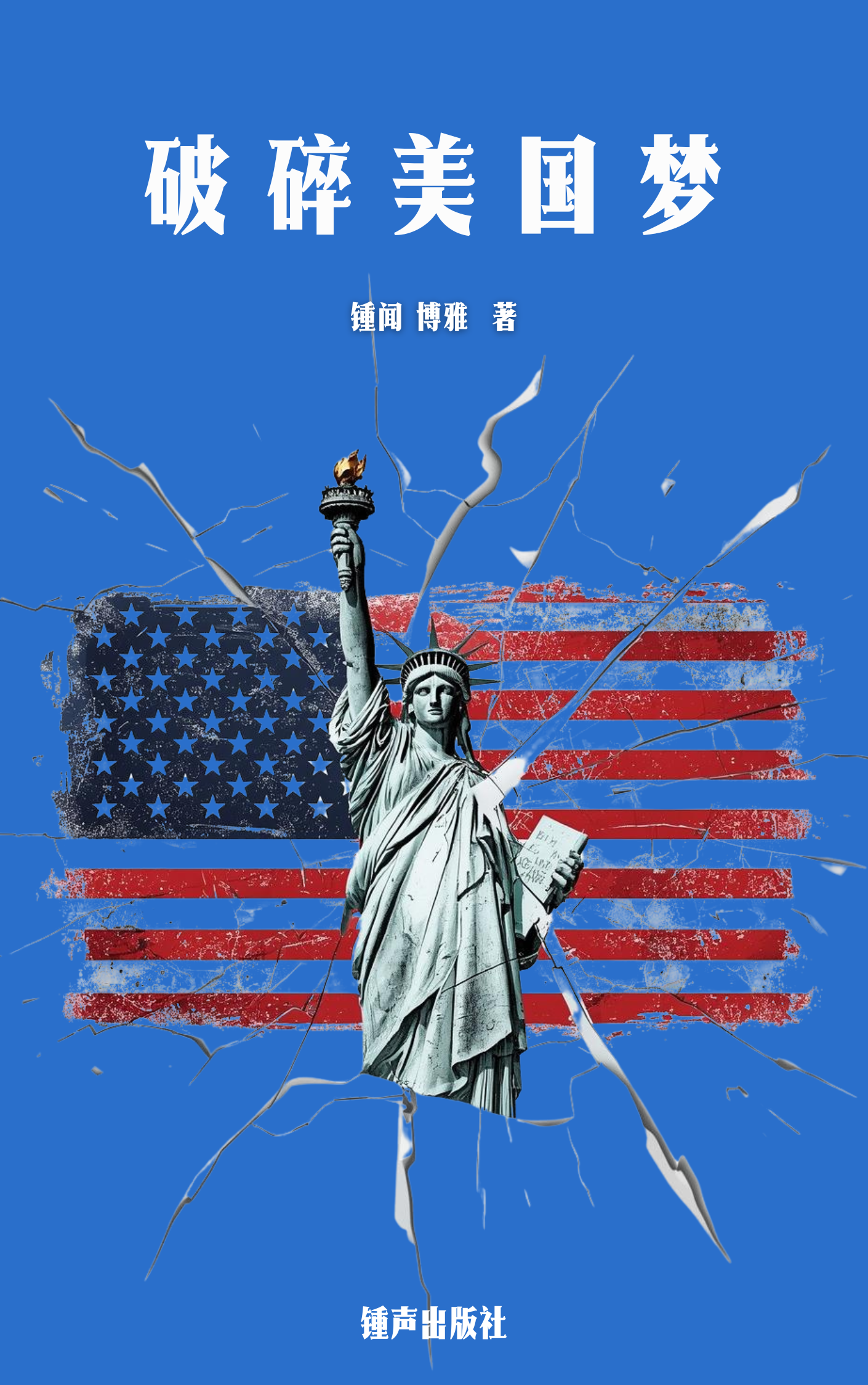
Volume I: Institutional Failure and the Twilight of the Giant
Part III: The Actor and the Placebo — The Historical Positioning of the Trump Phenomenon
Chapter 35: Media Frenzy: The Symbiosis Between Trump and Traffic —
The Collapse of the “Fourth Estate” and the Polarization Accelerator
This chapter will dig deep into the media ecosystem, analyzing the pathological “symbiosis” formed between Trump as an “actor” and the media—whether hostile liberal media or supportive conservative media. We will argue that this relationship caused the media to lose its “fourth estate” oversight function, instead becoming the greatest driver and accelerator of the Trump phenomenon, further pushing society toward radicalization.
First Thesis: The Pathological Symbiosis: Attention Is Currency
I. The Perfect Product of the Attention Economy
In the first two parts of this book, we discussed media alienation (Chapter Twenty-Two): in the digital age and under competition from cable television, traffic and attention have become the highest value for media. Trump (the master of “performance art” in Chapter Thirty) was precisely the perfect product of this attention economy:
Unpredictability: Every tweet, every rally, every controversy he generated possessed high news value and unpredictability, making it impossible for media organizations to ignore.
Emotional Drive: He precisely triggered anger, fear, and moral outrage—emotions that generate more clicks and viewership than neutral facts.
II. Praise or Criticism, Both Are Traffic: The Media’s “Feeding” Mechanism
Trump’s relationship with the media was pathological: whether the media praised or criticized him, they were providing him with what he needed most—attention, his oxygen.
Liberal Media (Hostile): These media outlets viewed Trump as a “threat to democracy,” spending countless hours and resources reporting on every gaffe and controversy. However, this “critical frenzy” kept Trump constantly in the spotlight, solidifying his myth as an anti-Establishment victim (Chapter Twenty-Nine).
Conservative Media (Friendly): These outlets viewed Trump as the “chosen one,” shaping him as a warrior against the “Deep State” through constant praise and repetition of his narrative, effectively providing an emotional placebo for his supporters (Chapter Thirty-Two).
Regardless of which side, they were all trapped in the “Trump traffic trap,” unable to escape because he was the lifeline of their profit models.
Second Thesis: The Collapse of the Fourth Estate: Oversight Abdicated and Polarization Accelerated
III. The Abdication of Oversight: From “Reporting” to “Reacting”
The media’s frenzy over Trump caused it to lose the function of the “fourth estate” designed by the Constitution (Chapter Four, Chapter Twenty-Two):
Passive Agenda Setting: Media no longer actively set the national agenda but were passively set by Trump’s tweets and statements (Chapter Thirty). Much of their energy was spent on real-time reactions, fact-checking, or moral condemnation of him, neglecting deeper, structural oversight of government (such as money politics, the rigidity of the civil service system).
The “Shock and Awe” Effect: The sustained “shock and awe” coverage of Trump’s controversies caused the public to become psychologically numb to his “transgressions.” Frequent media condemnation led to declining public trust, as supporters viewed it as bias from the Establishment media.
IV. Accelerated Polarization: The Complete Descent into Ideological Tools
Media frenzy directly accelerated the ideological polarization of American society (Chapter Seven):
Opposing Realities: The partisanship of media (Chapter Twenty-Two) reached its extreme in the Trump era. Supporters and opponents formed two completely opposing “realities” through their respective media sources. Viewers of liberal media saw “the end of democracy”; viewers of conservative media saw “the salvation of America.”
The Legitimization of Hatred: Partisan media frenzy led both sides to believe they were engaged in a moral war. This provided legitimacy for “anything goes” tactics and hate speech in political opposition, completely destroying the foundation for social dialogue.
Third Thesis: The Actor’s Skill: The Psychology of Media Manipulation
V. The Media’s “Addiction” and Trump’s “Drug”
Trump precisely grasped the psychological weaknesses of the media and manipulated them with masterful skill:
Irresistible Temptation: He understood that even media outlets critical of him could not resist his traffic and news value. By constantly raising the stakes and creating greater controversy, he ensured the media could not turn off their cameras.
The Victory of “False Claims”: Traditional media spent enormous time “fact-checking” every false statement he made. However, in the social media era, the speed at which a false claim spreads is far faster than the correction of fact-checking. In this race of speed, “truth” was always at a disadvantage.
VI. The Actor’s Ultimate Victory: Turning Criticism into Power
In Trump’s narrative, the media’s intense criticism of him was ultimately transformed by him into ultimate proof of his power (Chapter Twenty-Nine):
“If the media attacks me this hard, it proves I am the only one who can threaten their Establishment status.”
The media frenzy ultimately provided this “actor” with the most dazzling stage, the most loyal audience, and the most impenetrable protective wall.
VII. Chapter Conclusion: A System Without Oversight
The symbiotic relationship between Trump and the media is one of the most evident manifestations of the American system’s descent into collapse during the “Winter of Stalemate.”
The Absence of Oversight: When media abandons its responsibility to oversee government and instead pursues traffic and emotional satisfaction, the entire democratic system loses its most important checks and balances force.
The Actor’s Historical Positioning: The media frenzy proves that Trump was a product of institutional alienation: he did not emerge from nowhere; he was “fed” by two powerful forces—the media and societal radicalization. He exploited this frenzy, but also profoundly exposed the fatal weaknesses of the media as the “fourth estate.”
NEXT: Chapter 36: The Price of Loyalty: The “Trumpification” of the Republican Party — The Complete Reshaping of the Political Landscape
 正义钟声 Voice of Justice