
The COLLAPSE OF THE AMERICAN DREAM
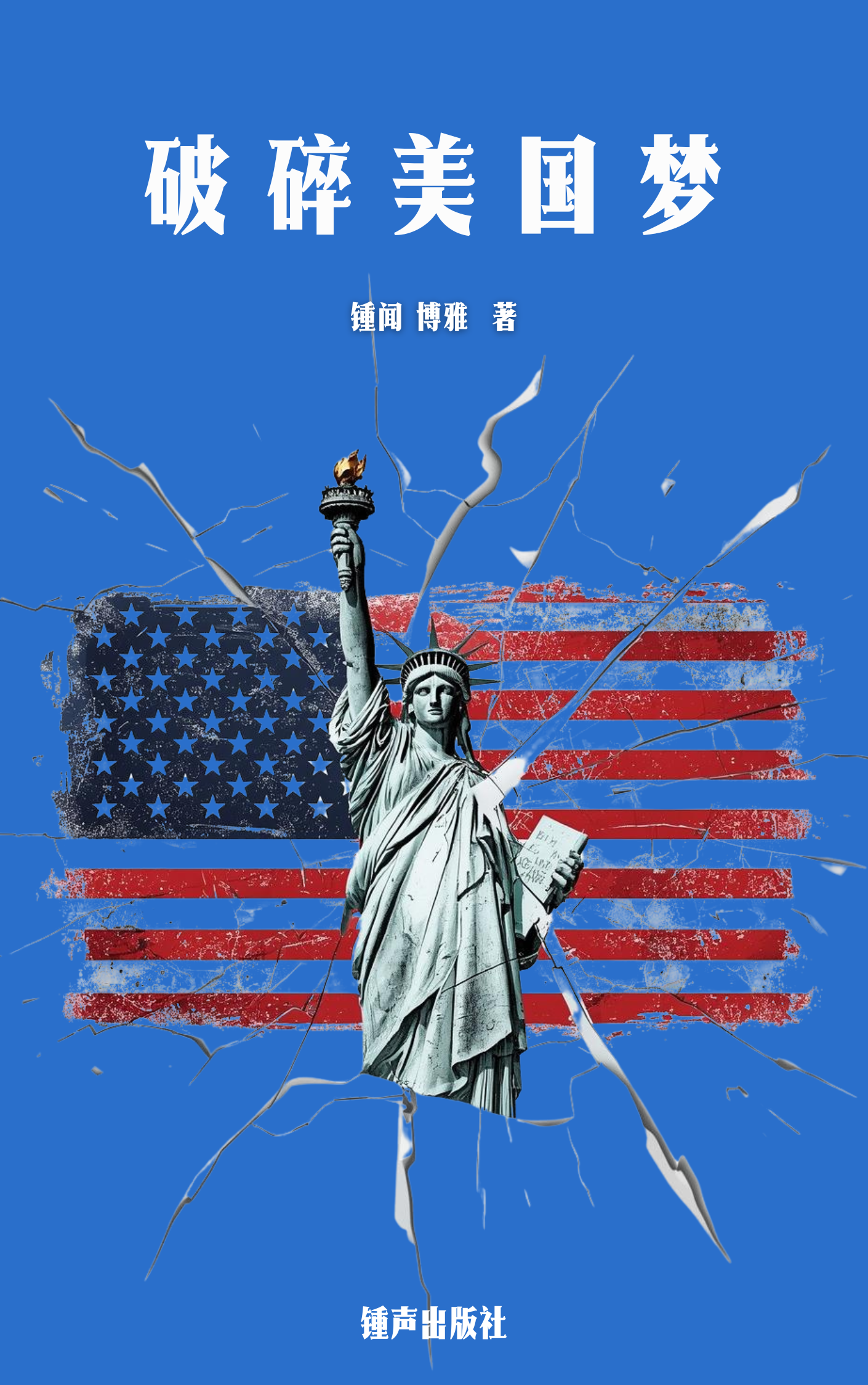
Volume I: Institutional Failure and the Twilight of the Giant
Part III: The Actor and the Placebo — The Historical Positioning of the Trump Phenomenon
Chapter 34: The Logic of Trade Wars: A Reversal of Globalization —
The Instinctive Reaction to the Broken American Dream
This chapter will provide an in-depth analysis of the internal logic behind the Trump administration’s anti-free trade policies and trade wars. We will argue that such policies were not based on rational calculations from traditional economics, but rather represented an instinctive political reaction and catharsis responding to the economic despair of the forgotten class (Chapter Twenty-Eight) under the “Broken American Dream,” aimed at reversing decades of globalization consensus.
First Thesis: The Collapse of the Globalization Consensus and the Origins of the Trade Wars
I. Globalization: An Institutional Betrayal of the American Dream
The root of Trump’s trade wars lay in the institutional betrayal of the American blue-collar class by the globalization consensus analyzed in Part One (Chapter Six):
The Core Failure: The Establishment (Chapter Twenty-Seven) long claimed that free trade agreements (such as NAFTA, joining the WTO) would bring overall prosperity. However, the reality was that they led to the massive loss of high-paying manufacturing jobs, exacerbating the decline of the Rust Belt and economic inequality.
The Accumulation of Emotion: For blue-collar workers who lost jobs or faced wage cuts, trade agreements were no longer “economic laws” but evidence that Washington elites and international capital had conspired to sacrifice their interests.
II. The Logic of Trade Wars: Politics and Emotion Prioritized Over Economics
Trump’s trade policies fundamentally overturned the system of free trade dominated by the United States since World War II. His decision-making logic was:
Political Logic Prioritized: Trade wars were not aimed at achieving “Pareto optimality” in economic terms, but at achieving political “catharsis of despair” (Chapter Thirty-Two) and fulfilling promises to loyal voters.
Emotional Logic Prioritized: For supporters, trade wars were a form of “revenge”—retaliation against countries (especially China) that had “stolen” American jobs and against past administrations that had signed “bad deals.”
Second Thesis: The Actions of the Trade Wars and the “Instinct for Destruction”
III. Manifestations of Action: Unilateralism and the Weaponization of Tariffs
The trade wars of the Trump administration embodied his “instinct for destruction” (Chapter Thirty-Three) and unilateralism:
Bypassing International Rules: Trump circumvented international multilateral mechanisms such as the World Trade Organization, using tariffs directly as a unilateral weapon against trading partners. This reflected a total negation of multilateralism.
The Posture of a “Warrior”: He framed international trade negotiations as a “zero-sum” war rather than mutually beneficial cooperation. This posture reinforced his personal mythology as the “chosen one” and a “warrior” (Chapter Twenty-Nine).
Destroying the Old Order: The trade wars successfully disrupted stable trade relationships and global supply chains painstakingly built over decades. For the forgotten class, this was a concrete action of “smashing the problem.”
IV. Policy Chaos: The Impact on the Domestic Economy
The logic of Trump’s trade wars exhibited enormous chaos and inconsistency in actual implementation, proving his lack of coherent “constructive” capacity:
Impact on Domestic Industries: While tariff wars provided brief boosts to certain specific industries (such as steel), they also raised costs for other American industries dependent on global supply chains (such as agriculture, automobile manufacturing) and subjected them to retaliatory tariffs. Ultimately, American consumers bore the majority of the costs.
Government Subsidies: To mitigate the impact of trade wars on American agriculture, the Trump administration was forced to allocate tens of billions of dollars in subsidies. This essentially used fiscal deficits to fund the political objectives of the trade wars, further exacerbating the fiscal predicament discussed in Chapter Nineteen.
Third Thesis: Trump’s Historical Positioning: An Actor Reversing the Tide
V. A “Reversal” of the Globalization Tide
Trump’s trade wars represented a forceful but ultimately transient “reversal” of the globalization tide.
Challenging Elite Consensus: He shattered the ironclad bipartisan elite consensus on free trade that had persisted since the Reagan and Clinton eras, delivering a profound ideological shock to the Washington Establishment.
A Non-Paradigmatic Leader: Although heavily criticized by economists, the trade wars reflected a shift in the spirit of the times—the era of globalization was receding, while protectionism and nationalism were rising. Trump was the first “actor” willing, as president, to publicly attribute America’s structural economic problems to globalization itself and to take action.
VI. An Instinctive Reaction to the Broken American Dream
Trump’s trade wars represented the most instinctive and direct political reaction to public sentiment under the “Broken American Dream”:
When a nation cannot resolve its internal economic and social inequalities, it instinctively seeks external enemies to blame.
The trade wars externalized the internal failures of the economic system, transforming them into an “international struggle,” thereby satisfying the domestic public’s emotional needs for a “strong America” and for “punishing the traitors.”
VII. Chapter Conclusion: A Victim of Despair
The logic of Trump’s trade wars serves as powerful proof of the core thesis of “The Actor and the Placebo”:
The Function of a Placebo: It gave the forgotten class (Chapter Twenty-Eight) a powerful feeling that the government was “finally fighting for us,” providing potent psychological comfort.
The Worsening of Structural Problems: However, the trade wars did not fundamentally change America’s industrial structure nor repair the defects of its internal institutions. Instead, at the cost of economic efficiency, they created new chaos for the next round of globalization and economic adjustment.
 正义钟声 Voice of Justice