
The COLLAPSE OF THE AMERICAN DREAM
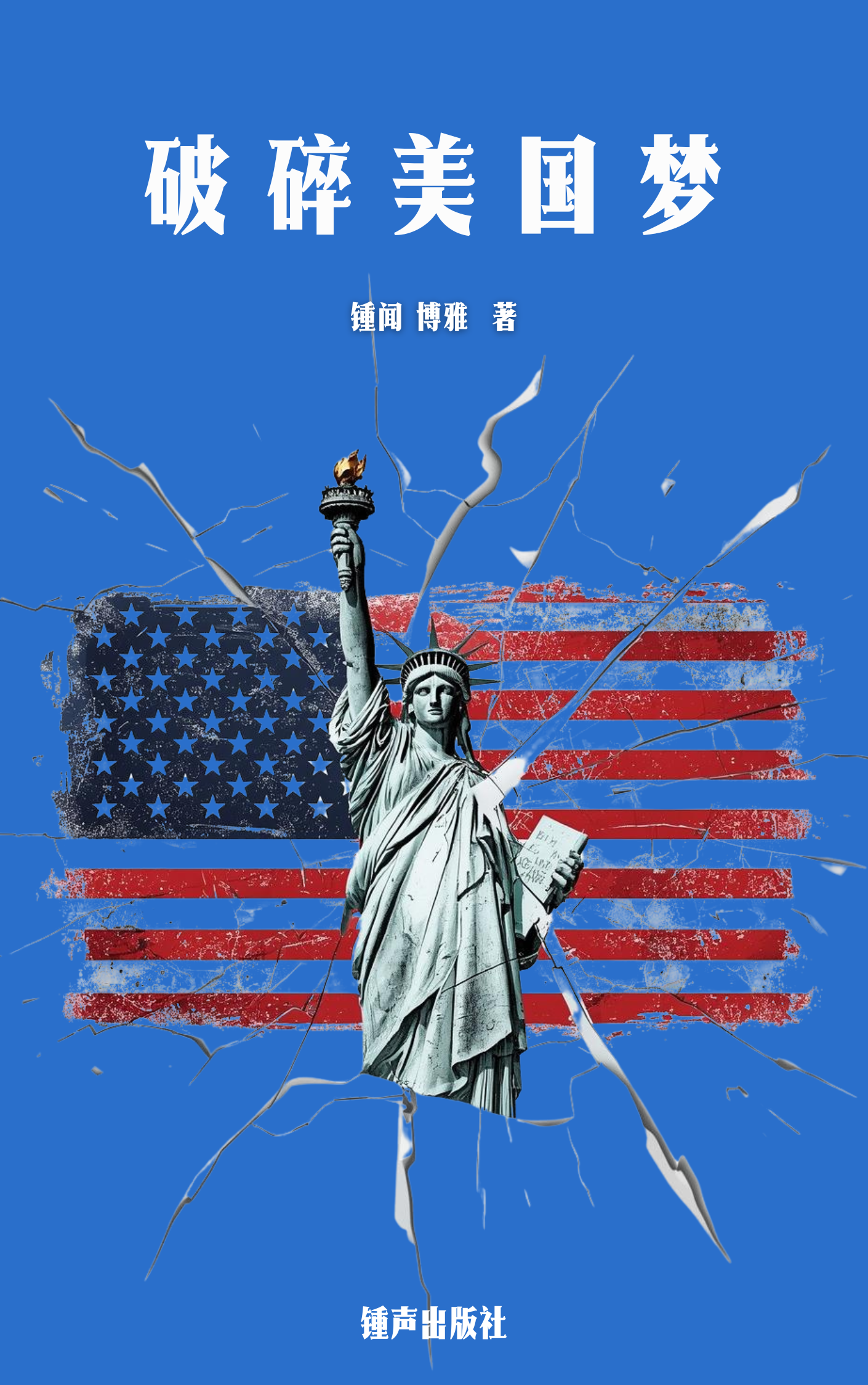
Volume I: Institutional Failure and the Twilight of the Giant
Part III: The Actor and the Placebo — The Historical Positioning of the Trump Phenomenon
Chapter 31: The Role of the Actor: An Emotional Symbol of Resistance Against the Establishment — The Intent to Smash the Problem
This chapter will elaborate on Trump’s true core value and function as an “actor.” His success did not stem from his ability to solve the nation’s structural problems, but from his successful embodiment as an “emotional symbol of resistance” for the masses in despair. His goal was not to “solve” problems, but to “smash” the problem—that is, to smash the hypocritical Establishment that created the problems.
First Thesis: Emotional Symbol: The Irrational Goals of Politics
I. The Transformation of Political Goals: From Governance to Catharsis
In the “Winter of Stalemate,” political goals underwent a fundamental transformation: for desperate voters, the importance of “governance” gave way to “catharsis.”
The Rejection of Tinkering: The first two parts of this book have argued that the system has reached a state of “self-contradiction” (Chapter Twenty-Five). The public has completely lost faith in the Establishment’s “tinkering.” They no longer believe that solutions exist within the system.
The Projection of Emotion: Trump’s value as an “actor” lay in his perfect embodiment of this “complete discontent” and “desire for destruction.” He himself became a massive emotional symbol, representing a total rejection of Washington, the media, academia, and the globalization consensus.
II. The Core Function of the Actor: Attacking “Hypocrisy”
Trump’s target of attack was the “hypocrisy” of the Establishment.
Smashing Surface Rules: He constantly violated political norms, challenged traditional etiquette, and used crude language (Chapter Thirty). For supporters, this behavior was not moral decay, but a powerful smashing of the hypocritical rules of the Establishment—rules that appeared righteous but were incapable of solving problems.
The Power of “Authenticity”: His “anti-language” was perceived as the power of “authenticity,” because he dared to say what political correctness forbade and dared to do what political elites would not. This power of “authenticity” far outweighed policy promises.
Second Thesis: The Intent to Destroy: The Creed of Smashing the System
III. The Political Philosophy of “Smashing the Problem”
Trump’s political logic was neither the “reformism” nor “conservatism” of classical political science, but a form of “destructionism.”
The Goal Was Not Resolution: Many of his campaign promises (such as large-scale trade wars, building the wall) were viewed by traditional economists and diplomats as unfeasible or destructive. But for supporters, the core value of these promises lay not in their economic effects, but in their posture of “destroying” the old order.
Embodying Destruction: When he attacked global trade agreements, withdrew from international organizations, and attacked the FBI, he was concretely “smashing” the global consensus and institutional norms painstakingly built by the Establishment over decades. This destruction itself was the greatest satisfaction for desperate voters.
IV. The Battle Against the “Deep State”: Breaking the Iron Triangle
Trump’s presidency was a continuous battle against what he called the “Deep State” (the administrative machine discussed in Chapter Twenty-Three, the Iron Triangle discussed in Chapter Twenty-One).
Resistance from the Civil Service System: He attempted to bypass or remove civil servants viewed as “loyalists of the Establishment” within the executive branch. The resistance of the civil service system (the inertia and vested interests discussed in Chapter Twenty-Three) was interpreted by supporters as evidence that “the Deep State is trying to overthrow the chosen one.”
The Continuity of Battle: This continuous struggle, regardless of its ultimate outcome, solidified Trump’s image as a warrior who “fights for us at all costs”—an image more important than any successful legislation.
Third Thesis: The Identity of the Actor: The Birth of a Political Icon
V. Binding Personal Destiny with National Destiny
Trump successfully bound his own personal destiny tightly with the collective destiny of his supporters, and even with the nation’s destiny.
“Persecution Equals Victory”: Every attack and legal challenge from traditional media and the judicial system was reframed as collective persecution of his supporter base. His supporters felt: “They attack him, they attack us.”
The Creation of Shared Identity: This binding meant that supporting him was no longer a mere political choice, but became an identity and a moral obligation. Trump became a political icon; his rallies resembled collective rituals and affirmations of faith.
VI. Chapter Conclusion: The Function of a “Placebo” for Despair
Trump’s role as an “actor” is the ultimate proof of American democracy’s decay: in the face of despair, the public prefers a symbol that promises to “smash” the system over a professional who promises to “repair” it.
The Triumph of Symbol: The power of emotional symbols overwhelmed rational policy and deliberative governance.
A Warning for Democracy: When a democratic system requires a “destroyer” to serve as an outlet for public emotion, it signals that the system itself is terminally ill. Trump is the placebo of this era: he cured no structural disease, but successfully alleviated the pain and anger caused by the disease.
 正义钟声 Voice of Justice