
The COLLAPSE OF THE AMERICAN DREAM
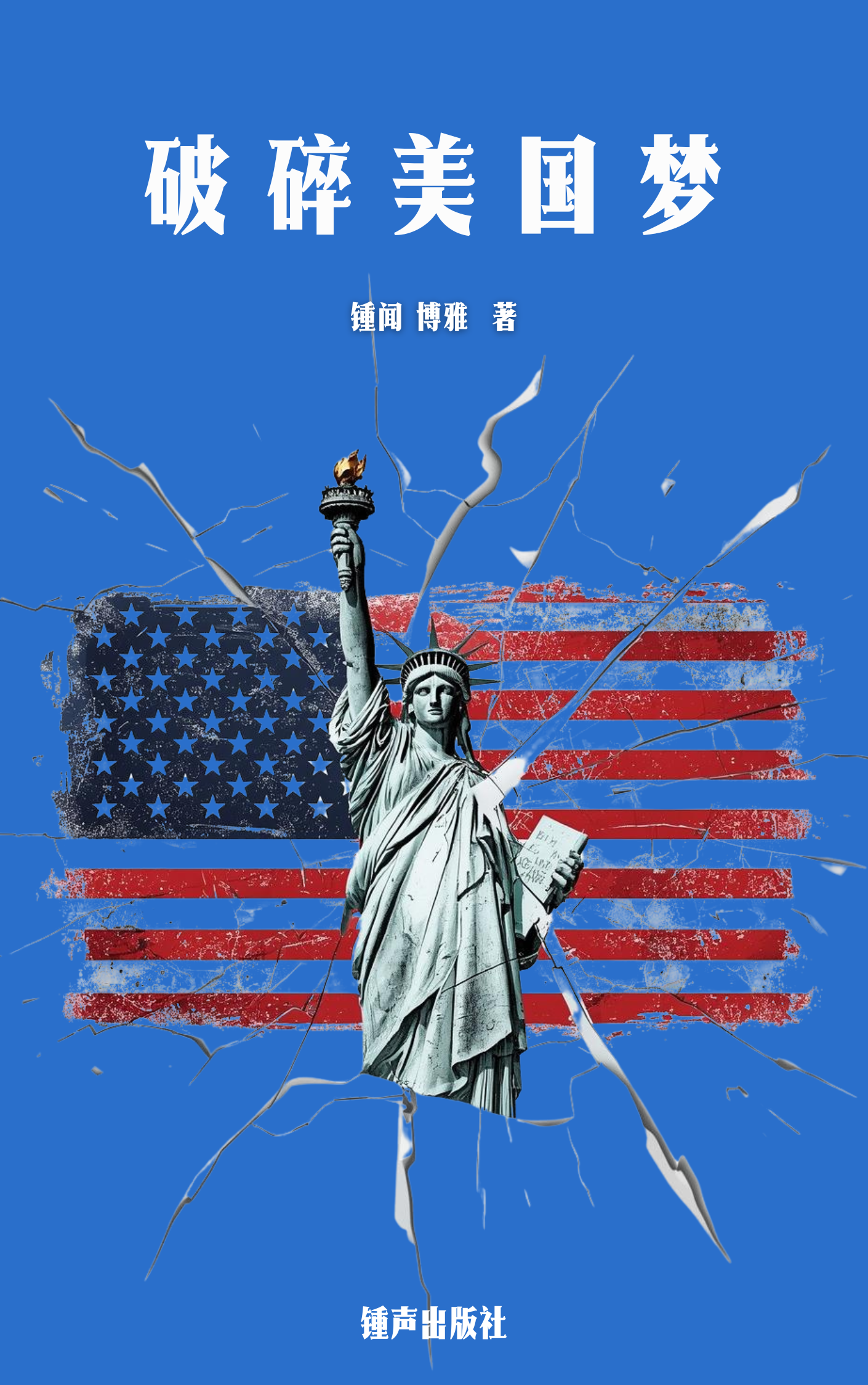
Volume I: Institutional Failure and the Twilight of the Giant
Part III: The Actor and the Placebo — The Historical Positioning of the Trump Phenomenon
Chapter 29: The Chosen One: The Construction of Narrative and Myth —
Satisfying the Public’s Longing for a Savior Figure
This chapter will provide an in-depth analysis, from the perspectives of narratology and political psychology, of Trump’s core skills as an “actor”: how he, through the construction of a grand “savior” narrative and personal myth, precisely satisfied the longing for a savior figure that grew out of the soil of despair analyzed in the previous two chapters (Chapters Twenty-Seven and Twenty-Eight).
First Thesis: Narrative Psychology: The Collective Longing for a Savior Figure
I. Psychological Needs in Chaotic Times: Simplicity and Certainty
In the chaos and uncertainty of the “Winter of Stalemate,” when neither the institutions (Part Two) nor the Establishment (Chapter Twenty-Seven) can provide solutions, the collective psychology of the public naturally inclines toward seeking simple, powerful, and certain answers.
The Rejection of Complexity: Complex structural problems (such as global supply chains, fiscal deficits) are frustrating. Voters reject prudent solutions that would take decades to yield results.
The Call for a Hero: Society longs for a heroic figure capable of single-handedly breaking the gridlock. This longing for a savior figure is a collective psychological stress response in an era of political impotence.
II. Trump’s Narrative Positioning: The Outsider and the Warrior
Trump’s narrative precisely avoided the language of traditional politics, instead employing the structure of epic and myth to position himself:
The Outsider: He portrayed himself as a successful businessman coming entirely from outside the Washington system. This allowed him to claim that he owed nothing to the Washington “swamp,” thereby gaining moral immunity to attack the Establishment.
The Lone Warrior: He placed himself at the center of the narrative, claiming that only he alone could defeat the powerful forces “destroying America” (the Deep State, the fake news media, illegal immigrants, foreign trade adversaries). This satisfied the public’s longing for single, strong leadership.
Second Thesis: The Techniques of Constructing the “Chosen One” Myth
III. The Binary Opposition of Us vs. Them: Simplifying Political Conflict
The first step in constructing the “chosen one” myth was to simplify conflict by establishing a binary opposition of us versus them.
“We” vs. “They”: Trump’s narrative divided Americans into “us” (forgotten patriots, the blue-collar class) and “them” (corrupt elites, globalists, radical leftists). This simplification transformed complex policy differences into a moral and existential struggle.
The Symbol of “The Swamp”: “The Swamp” became a powerful symbol representing the money politics, bureaucratic inertia, and political gridlock analyzed in Part Two and Chapter Twenty-One. He, himself, was the only one capable of “draining the swamp.”
IV. The Language of Myth: Exaggeration, Repetition, and “Anti-Language”
Trump’s linguistic style was key to constructing the myth—an “anti-language” opposed to that of traditional elites:
Absolutes and Exaggeration: His language was filled with absolute adjectives (“the greatest ever,” “tremendous success”), providing followers with psychological certainty and a sense of power in an uncertain world.
Constant Repetition: Through constant repetition of simple slogans (such as “Make America Great Again”), he internalized these slogans as voters’ identity markers and collective beliefs.
Challenging Tradition: His crude, irreverent linguistic style was interpreted by supporters as “authenticity”—a powerful counterattack against the hypocritical elite language of traditional media and political correctness.
V. The Narrative Circuit of Victimhood: From Persecution to Redemption
Trump successfully established a “victimhood narrative circuit” among his supporters:
Elite Persecution: He claimed that he and his supporters (“us”) were victims of unfair persecution by the Establishment, the Deep State, and the fake news media.
Test of Faith: All legal investigations, media criticism, and impeachment proceedings were framed as “tests of faith” for his role as the savior.
Promise of Redemption: By resisting persecution, he proved he was the “chosen one,” ultimately leading his supporters to victory and redemption (i.e., “Making America Great Again”).
This narrative circuit transformed political events into a quasi-religious trial and battle, solidifying followers’ cult of personality around him.
Third Thesis: The Contract Between Actor and Voter: Emotion Over Reason
VI. Emotion Over Reason: The Fusion of Politics and Entertainment
Trump’s success demonstrated that in the “Winter of Stalemate,” politics had become thoroughly fused with entertainment. The contract between him and voters was based more on emotion than on reason:
The Establishment of Emotional Resonance: He successfully resonated emotionally with the anger, fear, and humiliation of the forgotten class (Chapter Twenty-Eight). Voters supported him because he “saw” their pain and “felt” their anger.
The Neglect of Policy Details: In this narrative, policy details became secondary. What mattered was posture, intent, and fighting spirit. Whether he fulfilled all his promises was less important than that he was “willing to fight for us.”
VII. Chapter Conclusion: The Placebo of Despair
The construction of the “chosen one” myth was Trump’s core function as an “actor”: he provided a powerful “placebo” for a desperate public.
The Obscuring of Structural Problems: This myth led supporters to believe that America’s problems were not institutional but personal—that replacing a handful of “bad people” with him, a “good person,” would solve everything. This effectively obscured the institutional defects revealed in the first two parts.
The Tragedy of History: A mature democratic system ultimately placing its fate in the personal myth of a single savior figure is a profound irony of the deliberative, power-dispersing principles of representative democracy, and the most powerful evidence of American democracy’s decline.
 正义钟声 Voice of Justice