
The COLLAPSE OF THE AMERICAN DREAM
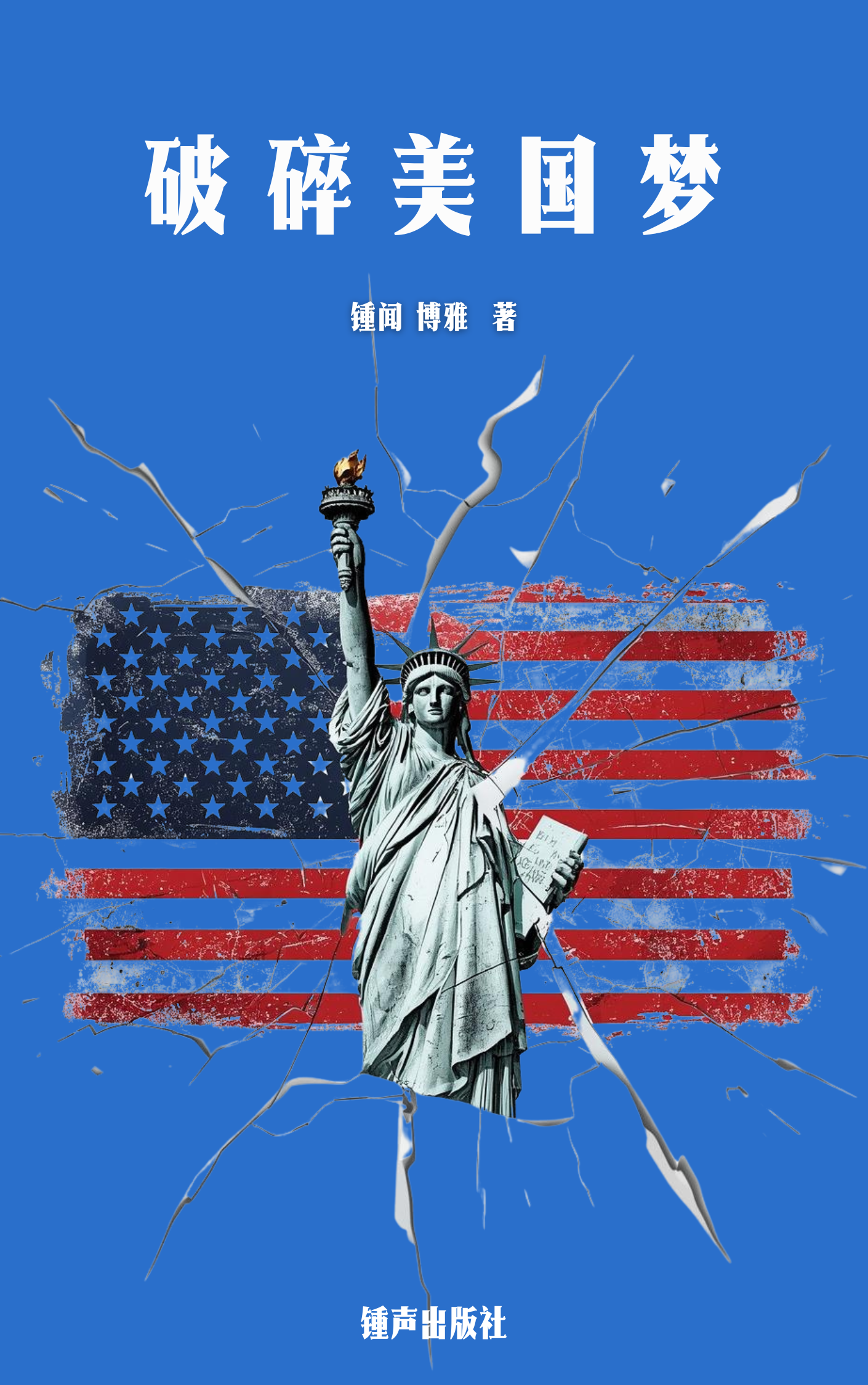
Volume I: Institutional Failure and the Twilight of the Giant
Part II: Abundance of Checks and Balances, Disconnect and Failure — The Constitutional System’s Predicament in the Modern Era
Chapter 24: The Dilemma of Constitutional Amendment: An Excessive Threshold and the Collapse of Social Consensus — The Greatest Obstacle to Institutional Self-Repair
This chapter returns to the highest mechanism of institutional self-repair—the constitutional amendment process—for in-depth analysis. We will argue that the extremely high threshold for constitutional amendment designed by the Spring Constitution has, against the backdrop of extreme politics and the collapse of social consensus in the “Winter of Stalemate,” become the greatest and nearly insurmountable obstacle to institutional self-renewal and the resolution of structural defects.
First Thesis: The Framers’ Wariness and the Stringent Threshold
I. The Philosophy of the Amendment Mechanism: Stability Over Adaptability
The American Constitution established one of the most stringent constitutional amendment processes in human history. The philosophy behind it was:
Guarding Against “Tyranny of the Majority”: The framers (particularly Madison) were extremely wary of the destructive potential of fleeting “popular passions” (as discussed in Chapter Sixteen) or the reckless actions of a simple majority on the foundations of the Constitution. They believed the Constitution should be enduring and sacred, and that amendment must be a deliberate, lengthy, and difficult process.
Prioritizing Stability: The stringent amendment threshold was designed to ensure an extremely high degree of stability in law and political structure, preventing the nation from falling into chaos due to frequent political changes.
II. The Lock-In of Article V: The Amendment Process and Its Threshold
Article V of the Constitution provides two methods for amendment (though effectively only the first has been used), both with extremely high thresholds:
Congressional Proposal: Requires a supermajority of two-thirds in both houses of Congress.
State Ratification: Requires ratification by three-quarters (38 out of 50) of state legislatures.
Throughout the history of “Spring” and “Summer,” this mechanism effectively resisted political impulses, resulting in only 27 successful amendments in total. However, in the “Winter of Stalemate,” this threshold has transformed from a “safety valve” into a “locking valve.”
Second Thesis: An “Impossible Mission” Under Extreme Conditions
III. The “Total Veto” of Constitutional Amendment by Political Polarization
The fundamental reason the amendment threshold has become the greatest obstacle to institutional repair in the modern era is extreme political polarization (as discussed in Chapter Seven).
The Unattainability of a Congressional Supermajority: In a zero-sum environment where both parties view any compromise as “betrayal,” achieving a two-thirds supermajority in both houses of Congress for an amendment involving fundamental power redistribution has become an “impossible mission.”
The Lock-In at the State Level: Even if Congress were to pass a proposal, securing ratification from three-quarters of state legislatures is nearly impossible. Given the fixed red/blue ideological distribution of states, any amendment favorable to one side would face collective rejection by state legislatures controlled by the opposing side.
IV. The Amendment Mechanism’s Maintenance of “Minority Rule”
The high amendment threshold effectively grants a permanent veto over constitutional reform to a minority of states and a minority of the population.
The Lock-In of the Minority: Any side that can control more than one-third of the seats in both houses of Congress (for example, 34 seats in the Senate) or more than one-quarter of state legislatures (13 states) can permanently block constitutional amendment.
A Manifestation of Contradiction: This echoes the chronic disease of the Senate analyzed in Chapter Fourteen: a mechanism designed by the Constitution is used to maintain the defects of another constitutional design (such as the Electoral College, the “two seats per state” in the Senate), rendering them perpetually irreparable. This is the ultimate proof of the system’s “self-contradiction.”
Third Thesis: The Collapse of Social Consensus and the Loss of Foundation for Amendment
V. The Loss of Consensus: The Collapse of the “Software” Foundation for Amendment
Constitutional amendment is not merely a legal procedure but a political act requiring the “software” foundation of social consensus. In the “Winter of Stalemate,” this foundation has completely collapsed (as discussed in Chapter Eight).
Disagreement Over “Goals”: The two parties and various social groups no longer share a common vision of “what kind of country America should become.” Liberals seek to strengthen civil rights and environmental protections through amendment, while conservatives seek to limit federal power and restore “traditional values.” The fundamental opposition of goals leaves amendment without a common starting point.
Divergent Interpretations of the “Constitution”: The public is deeply divided over the value and meaning of the Constitution itself. For some, the Constitution is sacred and inviolable; for others, it is outdated and in need of fundamental overhaul. This division drowns discussions of amendment in an ideological quagmire.
VI. The System’s “Self-Immunity” and the Risk of Extremism
The ultimate result of the amendment dilemma is that the American constitutional system has developed a capacity for “self-immunity”—it effectively resists any effort to repair its internal defects.
The Accumulation of Chronic Problems: Because structural reform is impossible, all the chronic problems discussed in previous chapters (money politics, the Electoral College, inequality in the Senate) will continue to accumulate, continuously intensifying institutional failure.
The Risk of Extra-Constitutional Change: When the system cannot undergo peaceful, constitutional reform through its own mechanisms, political forces and social discontent will seek extra-constitutional paths to change. This may manifest as political violence, the rise of extreme populism, or large-scale social unrest—precisely the “popular passions” the framers initially sought to avoid.
VII. Chapter Conclusion: The Era’s Tragedy of the Checks and Balances Philosophy
The amendment dilemma is the era’s tragedy brought about by the Spring “checks and balances philosophy.”
The Convergence of Paradox: The extremely high amendment threshold designed to ensure national stability has, in an era of polarization, become a core factor causing national instability. It has deadlocked the system’s adaptability, forcing the nation to carry structural defects from 250 years ago in a rapidly changing world.
This chapter marks the conclusion of Part Two of this book. We have systematically demonstrated how the American constitutional system, under the combined forces of political polarization, money politics, and historical inertia, has fallen into the predicament of “abundance of checks and balances, disconnect and failure.”
In the following Chapter Twenty-Five (the concluding chapter of Part Two), we will summarize and synthesize all the institutional defects, providing the final groundwork for Part Three’s pursuit of “Reflection and the Path Forward.”
 正义钟声 Voice of Justice