
The COLLAPSE OF THE AMERICAN DREAM
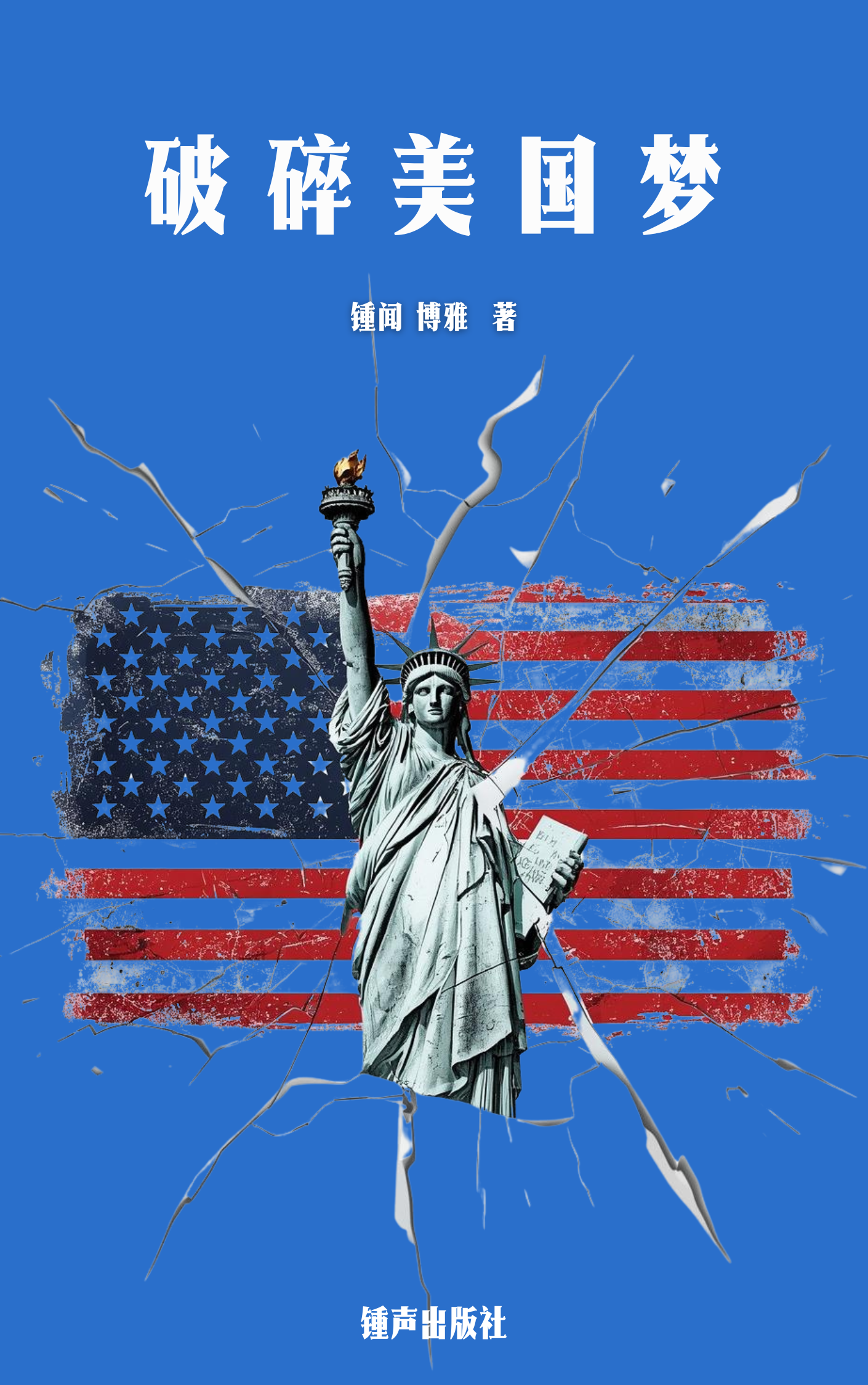
Volume I: Institutional Failure and the Twilight of the Giant
Part II: Abundance of Checks and Balances, Disconnect and Failure — The Constitutional System’s Predicament in the Modern Era
Chapter 23: The Rigidification of the Civil Service System and the “Deep State” — The Inertia of the Administrative Machine and Resistance to Reform
This chapter will analyze how the vast administrative apparatus under the presidential system—the federal civil service system—has developed inertia, vested interests, and concerns about a “Deep State” over the course of its long historical development. We will explore how this massive administrative machine resists reform, becoming another structural obstacle that locks in national governance and intensifies internal attrition.
First Thesis: The Expansion of the Administrative Machine and the Formation of the “Iron Triangle”
I. Evolution from “Executor” to “Fourth Branch”
In the design of the “Spring Constitution,” the executive branch was responsible for executing laws. However, beginning with “Roosevelt’s Autumn,” in response to the needs of addressing the Great Depression, World War II, and the Cold War, the federal civil service system underwent irreversible explosive expansion.
Dramatic Growth in Scale: The federal government evolved from a small-scale executing agency into a vast administrative machine employing millions of people across hundreds of departments and agencies (often referred to as the “fourth branch”).
The Professionalization of Power: These agencies (such as the Environmental Protection Agency, the Food and Drug Administration, the Securities and Exchange Commission, etc.) gained the authority to formulate and enforce complex regulations. Their expertise and continuity gave them substantive influence in governance that often exceeded that of politically appointed officials.
II. The “Iron Triangle”: A Community of Interests and Inertia
In their operations, these vast administrative agencies form a structural alliance with congressional committees and interest groups (lobbyists), known as the “Iron Triangle.”
Lock-In of Interests: Administrative agencies seek larger budgets and broader authority. Congressional committees seek campaign contributions and government projects within their districts. Interest groups seek regulations and contracts favorable to their industries.
Shared Objectives: The common objective of this “Iron Triangle” is to maintain the status quo and resist change. Any attempt to reduce agency budgets, deregulate, or implement substantive reform faces joint obstruction from these three forces.
Second Thesis: Institutional Rigidification and Concerns About the “Deep State”
III. The Inertia of the Civil Service System and Its Capacity to Resist Reform
Due to its unique institutional design and scale, the vast civil service system has developed powerful inertia and a capacity to resist reform.
The Defense of “Lifetime” Protection: Most civil servants are protected by strict job security (“permanent tenure”), which to some extent safeguards professionalism and neutrality, but also makes them difficult to hold accountable or dismiss.
The Inefficacy of “Following the Rules”: The extreme complexity of regulations has accustomed civil servants to “following the rules” rather than “solving problems.” This mode of behavior leads to administrative inefficiency and a sluggish response to societal needs.
Resistance to Politically Appointed Officials: When a new president attempts to implement reforms that conflict with the vested interests or ideological leanings of administrative agencies, the civil service system can use its mastery of regulations, opacity of information, and internal networks to engage in passive resistance and delay, making it difficult for political leaders to carry out their reform agendas.
IV. Concerns About the “Deep State” and the Collapse of Political Trust
This resistance to reform and defense of vested interests, under the extreme political backdrop of the “Winter of Stalemate,” has been characterized by anti-Establishment forces as the “Deep State.”
The Essence of the Concern: The “Deep State” is not an organized conspiracy group, but rather the inevitable conflict between the structural inertia and vested interests of administrative agencies on the one hand, and politically appointed officials on the other.
The Collapse of Political Trust: Anti-Establishment supporters view the inefficiency and obstruction of the administrative machine as evidence that an undemocratic, opaque elite group is manipulating the nation behind the scenes. This belief greatly intensifies public suspicion of the government and the system, providing powerful ammunition for extreme populist narratives.
Third Thesis: The Cost of the Cycle: The Lock-In of National Governance
V. The Cycle of Institutional Failure: The Lock-In Effect of the Administrative Machine
The rigidification of the civil service system and concerns about the “Deep State” together constitute another vicious cycle of institutional failure:
Congressional Dysfunction (Chapter Twelve): Congress cannot legislate, delegating power to administrative agencies.
Expansion of the Administrative Machine: Administrative agencies gain greater regulatory authority.
Inertia and Resistance: Administrative agencies use their structural advantages to resist political reform, maintaining existing regulations and resource allocations.
Public Distrust: The public grows angry at the inefficiency and resistance of the executive branch, intensifying hatred toward the “Establishment” and the “Deep State.”
This cycle locks national governance into a state of inefficiency, high cost, and inability to respond to public needs.
VI. The Dilemma of Reform: Efficiency Versus Democratic Accountability
Reform of the civil service system is trapped in a dilemma between “efficiency” and “democratic accountability.”
The Risk of Cuts: Drastically reducing the civil service system might bring short-term efficiency gains, but it could also weaken the government’s professional execution capacity in areas such as environmental protection, food safety, and financial regulation, leading to greater market chaos and social risk.
The Lack of Democratic Accountability: How to make this vast, professional, nearly tenured administrative machine accountable to democratically elected political leaders and the general public is a constitutional challenge in modern governance that is difficult to resolve.
VII. Chapter Conclusion: The Ultimate Lock-In of the Checks and Balances System
The rigidification of the civil service system and concerns about the “Deep State” demonstrate that the checks and balances system designed by the Spring Constitution has, in the modern era, been turned against itself by the vast administrative machine.
The Paradox of Governance: The executive branch, designed to execute laws, has instead become the force most resistant to democratic accountability and reform.
A Summary of Institutional Failure: This system, interacting with congressional gridlock, money politics, and the politicization of the judiciary, forms a lock-in incapable of self-repair, driving the process of the “Broken American Dream” toward the abyss.
 正义钟声 Voice of Justice