
The COLLAPSE OF THE AMERICAN DREAM
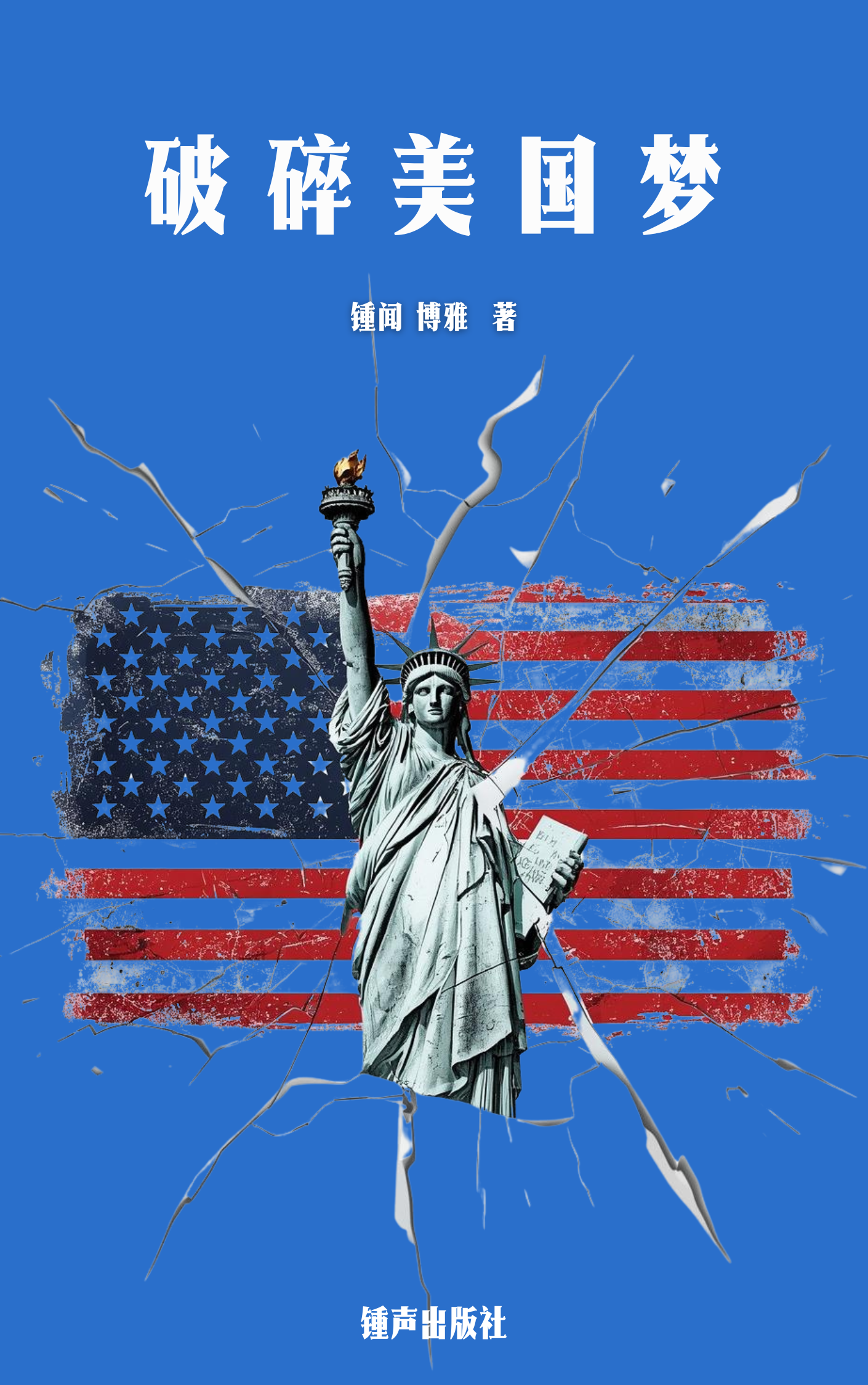
Volume I: Institutional Failure and the Twilight of the Giant
Part II: Abundance of Checks and Balances, Disconnect and Failure — The Constitutional System’s Predicament in the Modern Era
Chapter 22: The Alienation of Media: From the Fourth Estate to an Ideological Tool —
The Paradox of Press Freedom
This chapter will analyze how the freedom of the press guaranteed by the First Amendment to the United States Constitution has become alienated under the extreme environment of the “Winter of Stalemate.” Media, originally intended to serve as the “fourth estate” monitoring the government, has instead become an ideological tool that tears society apart and intensifies extreme polarization.
First Thesis: The Ideal Role of Media and the Disruption of Technology
I. The “Fourth Estate” in the Constitution: Oversight and the Maintenance of Consensus
In the design of the “Spring Constitution,” press freedom was regarded as a key element in safeguarding democratic functioning. It was entrusted with two core responsibilities:
The Watchdog: Exposing government corruption and abuse of power, ensuring that power operates in the sunlight. This is the traditional “fourth estate” function.
Maintaining Public Discourse: Providing citizens with the objective facts and diverse perspectives necessary for making informed decisions, thereby preserving society’s common cognitive foundation and democratic consensus.
II. The Disruption of Media by Technology and Market Forces
At the end of the 20th century and the beginning of the 21st century, changes in information technology and market structure completely upended the operational logic of traditional media, creating conditions for media alienation:
Cable Television and the “Niche Market”: The rise of cable news channels allowed media to target specific ideological audiences (niche markets). Profit no longer came from neutral reporting but from pleasing loyal, partisan-leaning viewers.
Social Media and the Reign of Algorithms: Internet and social media algorithms lock users into “echo chambers,” delivering only information that aligns with their existing views. This forces media organizations, in their competition for clicks and attention, to adopt increasingly sensational and ideologically biased content.
Second Thesis: The Alienation of Media: From Fact to Ideological Tool
III. From “Objective Reporting” to “Emotional Mobilization”
Driven by both market forces and technology, many media organizations have abandoned the traditional principle of “objective reporting,” shifting toward an ideological communication model centered on “emotional mobilization.”
The Partisanization of News: Media organizations selectively report facts or interpret facts through a highly ideological lens. News is no longer intended to inform but to reinforce viewers’ existing biases and portray opposing parties as moral enemies.
The Rise of the “Outrage Industry”: Many news programs and social media platforms use anger, fear, and moral indignation as drivers of their content. Negative and extreme emotions spread more easily than neutral, complex facts and attract more attention, generating greater commercial value.
This alienation transforms media from the “fourth estate” monitoring the government into a partisan tool in ideological conflicts, actively participating in the tearing apart of society.
IV. The Loss of Shared Facts and the Paralysis of Democracy
Media alienation directly leads to the advent of the “post-truth” era, fundamentally eroding the foundation on which American democracy operates.
The Collapse of Factual Consensus: When citizens are locked into opposing information echo chambers, they no longer share a common understanding of reality. On fundamental issues such as climate change, election results, and even the severity of a pandemic, supporters of the two parties possess entirely different “facts.”
The End of Rational Discourse: The loss of shared facts completely paralyzes the mechanism of rational public discourse designed by the Constitution. Political discussion is no longer debate based on facts but mutual accusation based on emotion. Congressional gridlock (as discussed in Chapter Twelve) is, to a large extent, fueled by this “loss of shared facts.”
Third Thesis: The Paradox of Constitutional Freedom and the Inability to Self-Correct
V. The Paradox of Press Freedom: The Dual Nature of Protection and Harm
The First Amendment guarantees press freedom, a cornerstone of American democracy. Yet in “Winter,” this freedom presents a cruel paradox:
Freedom’s Harm to Democracy: The Constitution grants media nearly unlimited space for free expression, yet this freedom is used to systematically disseminate disinformation, incite hatred, and intensify division. The Constitution was not designed with mechanisms to constrain the use of freedom to undermine democracy itself.
The Dilemma of Regulation: Any attempt to legally regulate disinformation is immediately viewed as an infringement of the First Amendment and faces opposition from all media organizations. This leaves the government in a state of near-impotence, effectively “self-restrained,” when confronting information warfare and political propaganda.
VI. Institutional Inertia and the Lack of Repair Mechanisms
Media alienation was not the original intent of the system, but the inertia of the Constitution and institutions prevents self-correction.
The Impossibility of Amendment: Amending the First Amendment is virtually impossible, even in theory.
The Impotence of Antitrust: Although large media and technology companies effectively monopolize information flow and discourse, congressional gridlock and money politics (as discussed in Chapter Twenty-One) prevent effective antitrust action. Interest groups protecting technology and media companies lock in the system’s incapacity.
VII. Chapter Conclusion: The Internal Enemy of Democracy
Media alienation is one of the most difficult internal enemies to confront in the “Winter of Stalemate.” It twists a tool designed by the Constitution to protect democracy—press freedom—into a weapon that destroys democratic consensus.
An Accelerator of Attrition: Media has become an accelerator and amplifier of social division, presenting all political and social issues in their most extreme and uncompromising forms.
A Root Cause of Institutional Failure: When people cannot agree on basic facts, any political action based on reason and compromise becomes empty talk.
This demonstrates that in an era of radicalization and money politics, the ideal designs of the Spring Constitution—such as press freedom—must confront the risk of being maliciously exploited and alienated.
 正义钟声 Voice of Justice