
The COLLAPSE OF THE AMERICAN DREAM
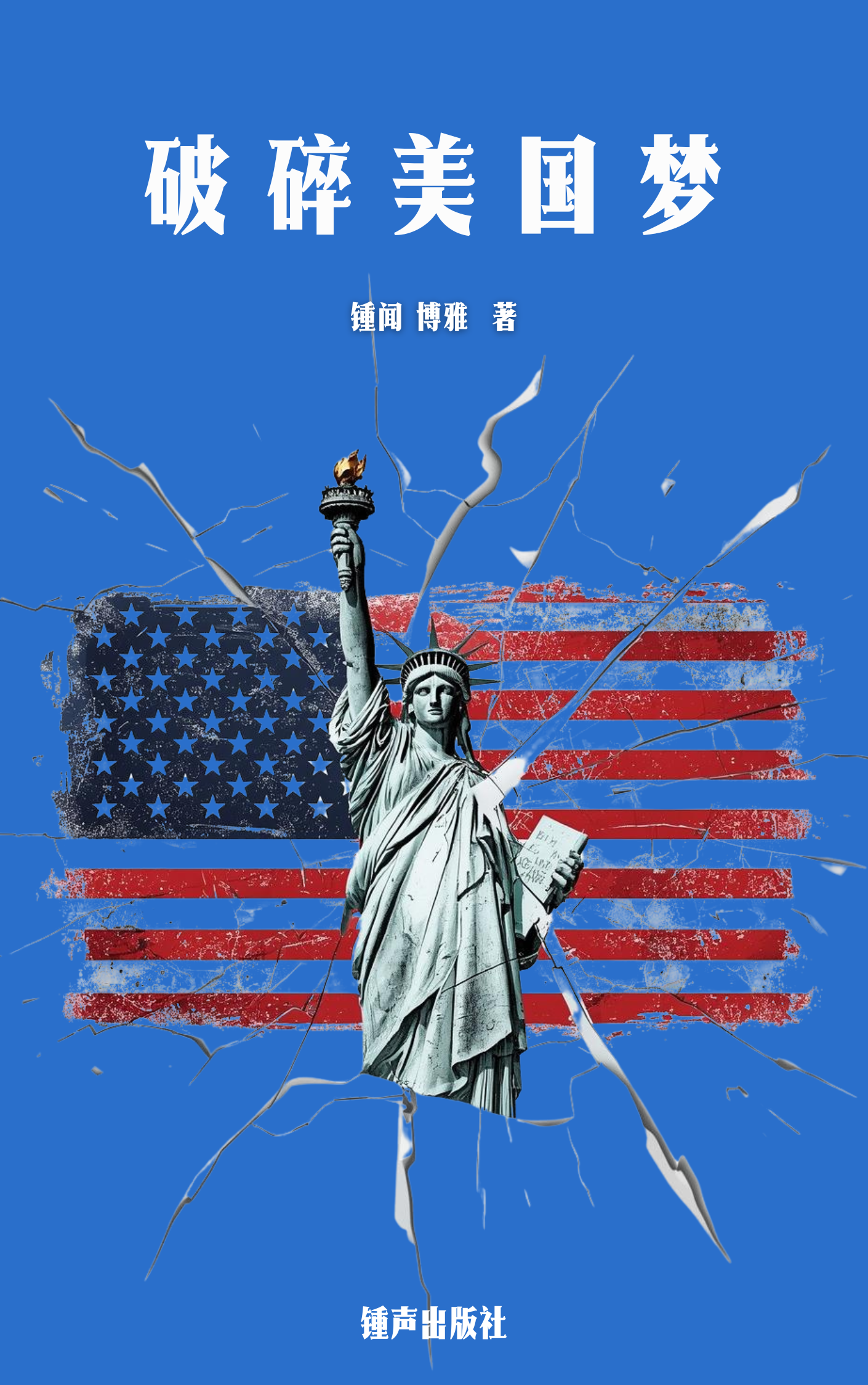
Volume I: Institutional Failure and the Twilight of the Giant
Part II: Abundance of Checks and Balances, Disconnect and Failure — The Constitutional System’s Predicament in the Modern Era
Chapter 21: Interest Groups: The Fourth Power Outside the Constitution — Money Politics and the Death of Representative Government
This chapter will provide an in-depth analysis of a long-existing yet formally unrecognized gaping hole in the American constitutional system—money politics and lobbying groups. We will argue that these interest groups have evolved into a “fourth power” operating outside the Constitution, and their deep corruption of politics has rendered the representative democracy designed by the Spring Constitution a hollow shell.
First Thesis: Power Structures Outside the Constitution: The Rise of Interest Groups
I. From the “Right to Petition” to Organized Influence
The framers guaranteed citizens the right to “petition” the government, which in Spring served as a channel for individual expression. However, in modern democracy and under a highly complex regulatory system, the right to “petition” has been hijacked and amplified by organized, well-funded, highly specialized interest groups.
The Professionalized Lobbying Industry: Surrounding Capitol Hill and federal agencies, Washington, D.C., has given rise to a massive and highly professionalized lobbying industry. These lobbyists are often former senior officials who have left Congress or the executive branch, using their networks and knowledge within the system to serve corporations or special interest groups that pay them handsomely.
The Formation of the “Fourth Power”: Through their monopoly over information, funding, and talent, interest groups effectively control the direction of the legislative and regulatory processes, becoming a “fourth power outside the Constitution” with influence rivaling that of the executive, legislative, and judicial branches.
II. The Revolving Door Mechanism: The Seamless Connection Between Public Power and Private Interest
The core mechanism through which interest groups operate is the “revolving door.” This is the most typical manifestation of the institutional corruption that emerged in “Roosevelt’s Autumn.”
The Reverse Flow of Talent: Members of Congress, senior staff, and heads of federal agencies, upon leaving office, often immediately join lobbying firms or large corporations. They leverage their old relationships and expertise within the government to secure policy favors, government contracts, or regulatory exemptions for their new employers.
The “Precashing” of Public Office: This mechanism means that while in office, public officials’ decisions may be implicitly influenced by their “future employment.” When drafting regulations, they may consider not the public interest, but how to avoid offending potential future employers. This is essentially the “precashing” of public power.
Second Thesis: The Corrosion of Money: The Lock-In of Legislation and Regulation
III. The Deep Corrosion of the Legislative Process by Money Politics
The corrosion of the legislative process by money politics is multifaceted and systemic:
The Lifeline of Campaign Funding: Politicians’ political survival depends heavily on campaign funding obtained from interest groups. To secure funding sources, politicians are compelled to align their legislative agendas closely with the needs of special interests.
“Riders” and Black-Box Operations: Using their expertise and funding, interest groups insert “riders” favorable to their clients into complex, thousand-page bills in the final stages of the legislative process (as discussed in Chapter Thirteen), often without public deliberation.
Monopoly Over “Information”: Due to the degradation of congressional expertise (as discussed in Chapter Thirteen), legislators increasingly rely on “specialized” data and research provided by interest groups when drafting complex legislation. This information is often carefully curated to advance specific policy objectives.
IV. Regulatory Capture: The System’s Resistance
The most insidious form of money politics is “regulatory capture”—the ultimate manifestation of the “system’s resistance” in the administrative sphere.
The Reversal of Regulators’ Interests: Federal agencies tasked with regulating specific industries (such as finance, pharmaceuticals, energy) are often headed by former executives from those very industries.
The “Softening” of Regulation: These captured agencies tend to craft regulations favorable to their affiliated industries or turn a blind eye to violations. For example, the regulation of financial institutions following “Roosevelt’s Autumn” was systematically relaxed before the 2008 financial crisis—a direct consequence of regulatory capture.
Third Thesis: The Death of Representative Government and the Disintegration of National Consensus
V. The Disconnect Between Public Opinion and Policy: Representative Government in Name Only
The result of money politics is that American representative democracy exists in name only.
Divergence Between Policy and Public Opinion: Extensive research shows that on many key issues (such as gun control, fiscal policy, environmental regulations), the final policies of the federal government significantly diverge from the will of the general public, yet align closely with the demands of a small number of wealthy donors and interest groups.
“The Republic of the Rich”: The “republican” spirit designed by the Constitution has been distorted into a “republic of the rich.” The representatives elected by the people behave as if accountable only to a tiny minority of economic elites.
VI. The Institutional Roots of Anti-Establishment Sentiment
Money politics is the most fundamental institutional root driving the anti-Establishment sentiment of the “Winter of Stalemate.”
Concrete Evidence That “The System Is Rigged”: When ordinary citizens witness members of Congress voting for special interests and see giant corporations bailed out during crises, their belief that “the system is rigged” receives its most conclusive confirmation.
The Intensification of Political Apathy: Public willingness to participate in politics and trust in elections decline. People believe that no matter who they vote for, the ultimate policy outcomes will be determined by the “fourth power” in Washington—interest groups.
VII. Chapter Conclusion: The Invisible Hand Corroding the Constitution
Interest groups and money politics are the invisible hand corroding the American constitutional system. They exploit loopholes in the Constitution’s checks and balances mechanisms and political freedoms to systematically transform public power into private gain.
The Subversion of Checks and Balances: Money politics effectively subverts the constitutional principle of separation of powers, transforming the original three-branch structure into a system of comprehensive infiltration and control by money (interest groups) over all three branches.
A Summary of Institutional Failure: This corrosion demonstrates that when institutional lock-in (excessive checks and balances) prevents the nation from resolving problems through normal channels, the “fourth power” outside the Constitution exploits this gridlock for its own benefit, definitively locking the nation onto a path of internal attrition.
 正义钟声 Voice of Justice