
The COLLAPSE OF THE AMERICAN DREAM
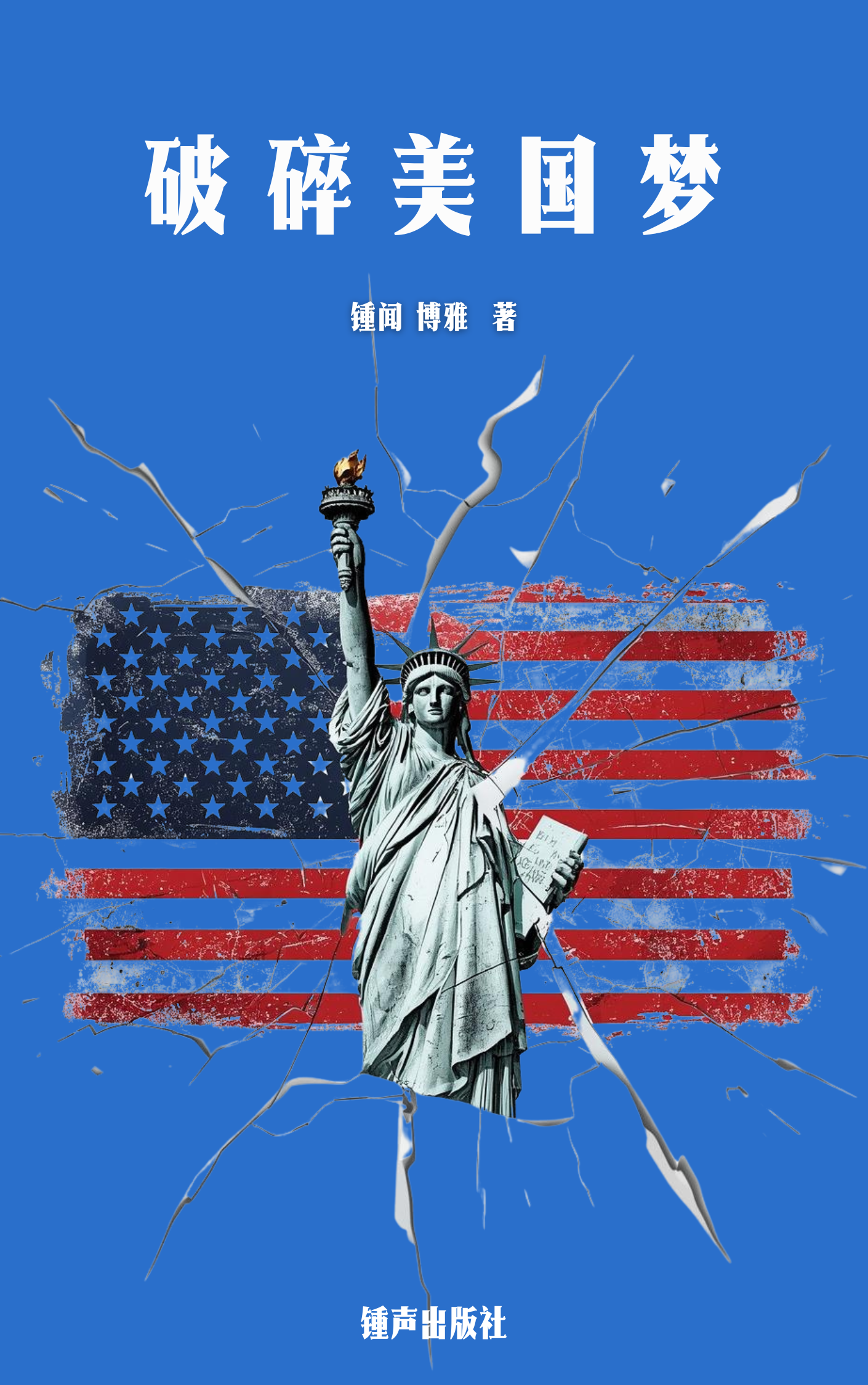
Volume I: Institutional Failure and the Twilight of the Giant
Part II: Abundance of Checks and Balances, Disconnect and Failure — The Constitutional System’s Predicament in the Modern Era
Chapter 19: Fiscal Deficit: The Drama of “Unlimited Liability” Under Representative Government — Democracy’s Evasion of Long-Term Responsibility
This chapter will analyze, from the perspective of economic policy, a fatal structural flaw in American representative democracy during the “Winter of Stalemate”: because politicians and voters alike tend to favor short-term interests, the federal government is unable to formulate long-term, responsible fiscal policy, ultimately falling into a prolonged and irreversible quagmire of massive fiscal deficits and debt.
First Thesis: Deficits: A Structural Temptation of Representative Democracy
I. Democratic Systems and the “Temptation of Short-Termism”
Fiscal deficits are not merely an economic issue; they are a manifestation of the structural weakness of representative democracy when confronted with the short-term interests of voters.
The Short-Termism of Politicians: Politicians have limited terms (presidents serve four years, House members two years), and their political survival depends on their ability to deliver on promises and satisfy the immediate needs of voters.
The Short-Termism of Voters: Voters generally support increased government spending (such as tax cuts, welfare programs, military expenditures) to improve their current lives, but strongly oppose tax increases or benefit cuts to pay for these expenditures.
The “Free Lunch” Trap: Fiscal deficits provide politicians with a perfect “free lunch”: they take credit for current spending and benefits while shifting the pain and responsibility of repayment to the next generation. This represents an intergenerational immoral contract.
II. The Failure of Checks and Balances: From “Restraint” to an “Expansionary” Coalition
The Spring Constitution designed strict congressional control over “appropriations” intended to restrain the government’s fiscal impulses. However, under the political climate of “Winter,” these checks and balances have completely failed.
Bipartisan Complicity: Although the two parties appear ideologically opposed, they have formed an implicit complicity in expanding deficits. Republicans typically support expanding deficits through large-scale tax cuts (reducing revenue), while Democrats tend to expand deficits through increased social welfare and spending (increasing expenditures). Though the paths differ, they converge on the same outcome—driving explosive growth in national debt.
The Power of Lobbying: Various interest groups and the “Autumn Establishment” use their lobbying power to ensure that government spending and tax policies favor their interests. This transforms the congressional appropriations process from responsible fiscal planning into a tool for spoils and interest distribution.
Second Thesis: Structural Lock-In and the Irreversibility of Debt
III. The “Lock-In” of Long-Term Expenditures and Fiscal Rigidity
The structure of federal government spending has become highly rigid and irreversible, further exacerbating deficit pressures.
Mandatory Spending: “Mandatory spending” on Social Security, Medicare, and Medicaid is legally tied to demographic structures and automatically grows as the population ages, accounting for the majority of the federal budget. This spending holds “sacrosanct” political status, and any cuts would face fierce opposition from voters.
The Vicious Cycle of Interest Payments: As the scale of debt grows explosively, government spending on interest payments also rapidly increases. This spending creates no value yet crowds out discretionary spending on education, infrastructure, scientific research, and other areas, forming a vicious cycle of “borrowing to pay for debt.”
This means that the current budget space available for politicians to cut or adjust is extremely limited; deficits are almost a structurally locked-in outcome.
IV. The Catalytic Role of Financialization: From “Borrowing” to “Unlimited Liability”
The financialized structure formed since “Roosevelt’s Autumn” has facilitated the government’s deficit policies:
The Temptation of Low Interest Rates: The global low-interest-rate environment has kept government borrowing costs low for extended periods, creating an illusion for politicians that deficits are “not expensive.” However, once interest rates rise, debt service pressures would quickly reach unbearable levels.
The Risk of International Creditors: U.S. debt relies heavily on purchases by foreign governments and institutions. This model of “unlimited liability” places the United States in a fragile state of dependency. If international confidence in U.S. fiscal stability were to waver, it would trigger a global economic crisis.
Third Thesis: Costs and Consequences: The Overdrawing of National Credibility
V. The Normalization of Fiscal Crises and the Overdrawing of National Credibility
In “Winter,” fiscal crises are no longer occasional events but a normalized manifestation of institutional internal attrition.
The Zero-Sum Game of the “Debt Ceiling”: As discussed in Chapter Seven, raising the debt ceiling has become a tool for partisan hostage-taking in Congress. This periodic act of “pushing the nation to the brink of a fiscal cliff” causes enormous damage to national credibility and exposes the chaos of the American governance system to the world.
The Potential Threat of Inflation: Long-term, large-scale deficits and money printing potentially lay the groundwork for inflation. When the government cannot pay its bills through taxes or spending cuts, the ultimate cost is passed on to ordinary citizens—through the erosion of purchasing power.
VI. Democracy’s Evasion of Long-Term Responsibility
The predicament of fiscal deficits fundamentally demonstrates representative democracy’s evasion of “long-term responsibility.”
Deprivation of Future Generations: The free lunch enjoyed by the current generation comes at the expense of the economic opportunities and fiscal stability of the next generation. This represents institutionalized deprivation.
Loss of Strategic Capacity: Massive debt locks down national finances, leaving the government unable to flexibly and decisively invest resources when facing future genuine global crises (such as war, pandemics, technological breakthroughs).
VII. Chapter Conclusion: A Nation That Has Lost Fiscal Restraint
Fiscal deficits are a marker of representative democracy having lost restraint under the polarized environment of “Winter.” Driven jointly by political short-termism and interest groups, the constitutional checks and balances on fiscal matters have completely failed.
A nation that cannot take responsibility for its finances will inevitably face fundamental questions about its long-term viability and global leadership. This structural model of “unlimited liability” accelerates the process of the “Broken American Dream” and provides the most fertile ground for analyzing how money politics systematically corrodes institutions.
 正义钟声 Voice of Justice