
The COLLAPSE OF THE AMERICAN DREAM
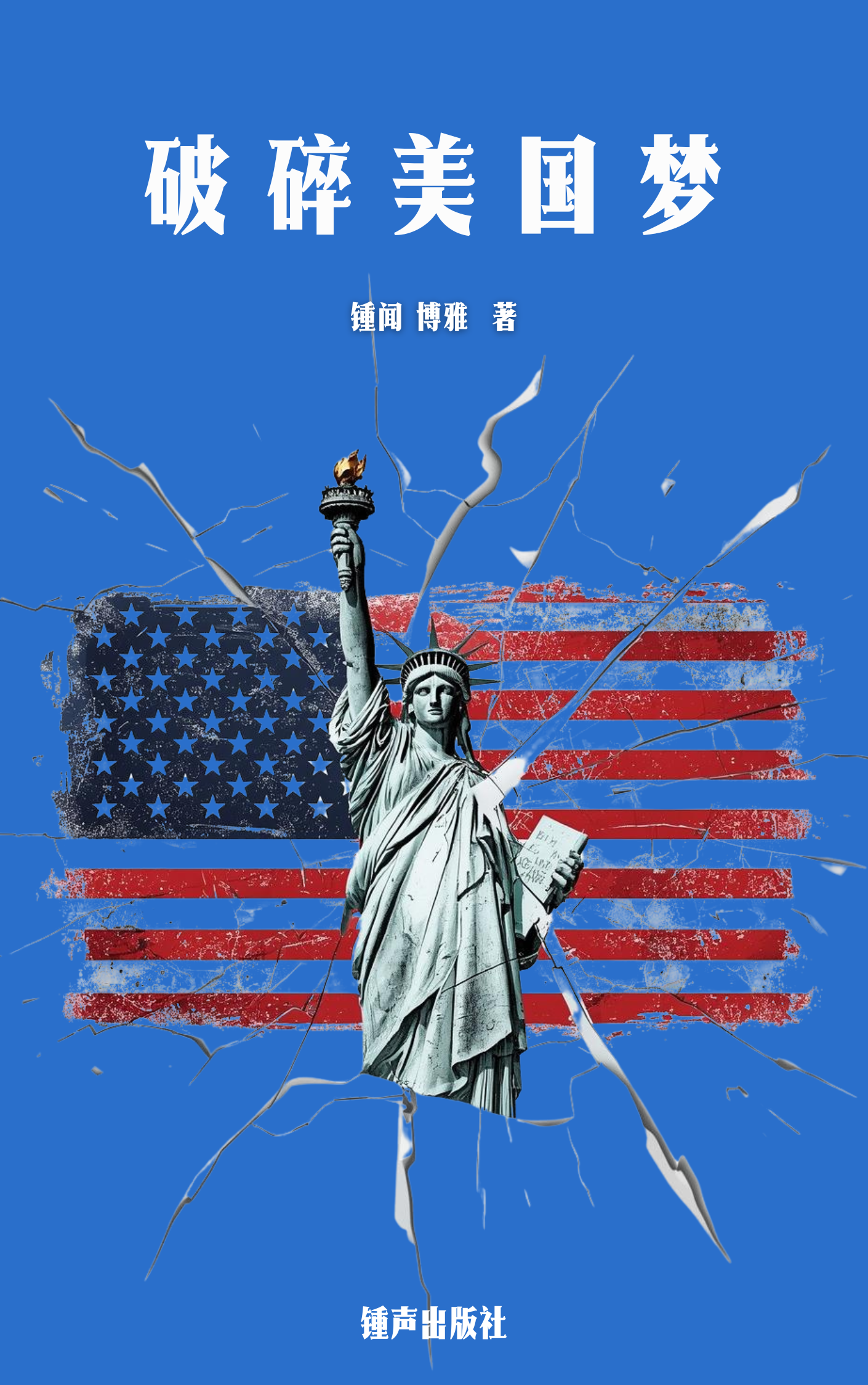
Volume I: Institutional Failure and the Twilight of the Giant
Part II: Abundance of Checks and Balances, Disconnect and Failure — The Constitutional System’s Predicament in the Modern Era
Chapter 18: Gun Rights: The Deadlock Between Individual Liberty and Public Safety — The System’s Inability to Resolve Conflicts of Public Interest
This chapter will focus on how a specific provision of the American Constitution—the Second Amendment—has, in modern society, pushed the conflict between the radicalization of individual liberty and the collective interest of public safety into an irresolvable deadlock. This will powerfully demonstrate that the American constitutional system has lost its capacity for repair and adaptation when facing conflicts of core values.
First Thesis: The Second Amendment: Alienation from Militia to Individual Right
I. Historical Context and Constitutional Ambiguity
The text of the Second Amendment to the United States Constitution reads: “A well regulated Militia, being necessary to the security of a free State, the right of the people to keep and bear Arms, shall not be infringed.”
The Context of Spring: This amendment was crafted in a historical context entirely different from the present. The “Arms” of that era referred to single-shot muskets, and its core purpose was to ensure that states could maintain “a well regulated Militia” to resist potential federal tyranny or foreign invasion.
Constitutional Ambiguity: The text of the amendment contains a core ambiguity: does it protect a collective right (maintaining a militia) or an individual right (possessing weapons for self-defense)? This ambiguity has been continuously reinterpreted and politicized throughout history.
II. Judicial Expansion of “Individual Rights” to the Extreme
Before the arrival of “Winter,” the Supreme Court, through a series of key rulings, systematically interpreted the Second Amendment as protecting a broad, individual right to bear arms, rather than one limited to militia functions.
District of Columbia v. Heller (2008): The Supreme Court ruled for the first time that the Second Amendment protects an individual’s right to possess a firearm for self-defense within the home.
New York State Rifle & Pistol Association v. Bruen (2022): The Supreme Court further ruled that the Second Amendment protects an individual’s right to carry a firearm in public.
The result of these precedents has been to transform a provision originally intended to safeguard collective security into a legal weapon protecting the radicalization of individual liberty, effectively deadlocking the ability of governments at all levels to implement substantive firearms regulation.
Second Thesis: The Deadlock Between Individual Liberty and Public Safety
III. The Tragedy of Mass Shootings and the Impotence of the System
The radicalization of gun rights has directly led to a persistent, unsolvable public safety crisis in American society: the normalization of mass shooting events.
Technological Disconnect: There is a vast difference in lethality between the single-shot firearms of the constitutional era and modern semi-automatic rifles and high-capacity magazines. The constitutional framework has proven completely incapable of addressing how to regulate modern military-grade weaponry.
Deadlock in Legislative Action: Due to the Second Amendment and Supreme Court precedents, any attempt to enact national gun control measures at the federal level is deadlocked by partisan members of Congress and powerful gun lobbying groups (such as the NRA) using the filibuster and legal challenges. This exemplifies the extreme backlash of institutional checks and balances against the public interest.
IV. The “Scorched-Earth” of Values and Political Attrition
The gun issue has completely transformed from a matter of public policy into a culture war and an ideological litmus test.
The Insistence on Radical Liberty: Supporters of gun rights view it as the ultimate right to resist tyranny, seeing any regulation as the first step toward “government infringement on liberty.” This represents an extreme, uncompromising conception of “negative liberty.”
The Sacrifice of Public Interest: In the face of such radicalized assertions of individual rights, public interests such as collective safety and child safety are systematically sacrificed and marginalized. The two sides have found no space for compromise between “gun control” and “individual liberty,” as the issue touches on the core definition of “American identity.”
Third Thesis: Institutional Lock-In and the Inability to Self-Correct
V. Institutional Lock-In Through Campaign Finance and Lobbying
Behind the deadlock over gun rights lies the powerful lock-in effect of money politics formed in “Autumn.”
The Influence of Lobbying Groups: Powerful gun lobbying groups use vast sums of money to fund candidates who support their positions and threaten legislators who oppose them. This “institutional resistance” means that legislators’ votes no longer respond to public opinion but rather demonstrate loyalty to special interest groups.
The Magnifying Effect of the Electoral College: The influence of the gun issue in a handful of swing states and rural areas is disproportionately amplified by the Electoral College and the structure of the Senate, allowing the extreme positions of a minority to effectively block nationwide policy action.
VI. The Ultimate Failure of Constitutional Adaptability
The gun rights issue stands as the ultimate case study proving that the American Constitution has lost its capacity to adapt to modern society.
Institutional Self-Entrapment: The Constitution locked a highly contentious right, whose meaning has diverged dramatically across eras, into a provision that is difficult to amend, and the Supreme Court with lifetime tenure has interpreted it in an extreme manner. This makes the Constitution itself an obstacle to resolving the crisis, rather than a tool.
The Impotence of Law: Although tragedies of mass shootings recur repeatedly, and public opinion tends to favor some degree of regulation, the Constitution and the political system it has produced have demonstrated absolute incapacity. This is a tragic proof: in America, institutional lock-in can supersede the needs of collective survival.
VII. Chapter Conclusion: The Revelation of the Deadlock
The gun rights issue reveals the deepest predicament of the American system:
The Alienation of Checks and Balances: Driven by special interests, the constitutional mechanism of checks and balances has pushed the principle of safeguarding individual liberty to an extreme, making it the antithesis of public safety.
Institutional Rigidity: It demonstrates that when faced with conflicts of core values, the American constitutional system has lost its capacity for self-repair through legislation, judicial action, or even constitutional amendment.
This “deadlock” is a microcosm of America’s loss of consensus and descent into internal attrition.
NEXT: Chapter 19: Fiscal Deficit: The Drama of “Unlimited Liability” Under Representative Government — Democracy’s Evasion of Long-Term Responsibility
 正义钟声 Voice of Justice