
The COLLAPSE OF THE AMERICAN DREAM
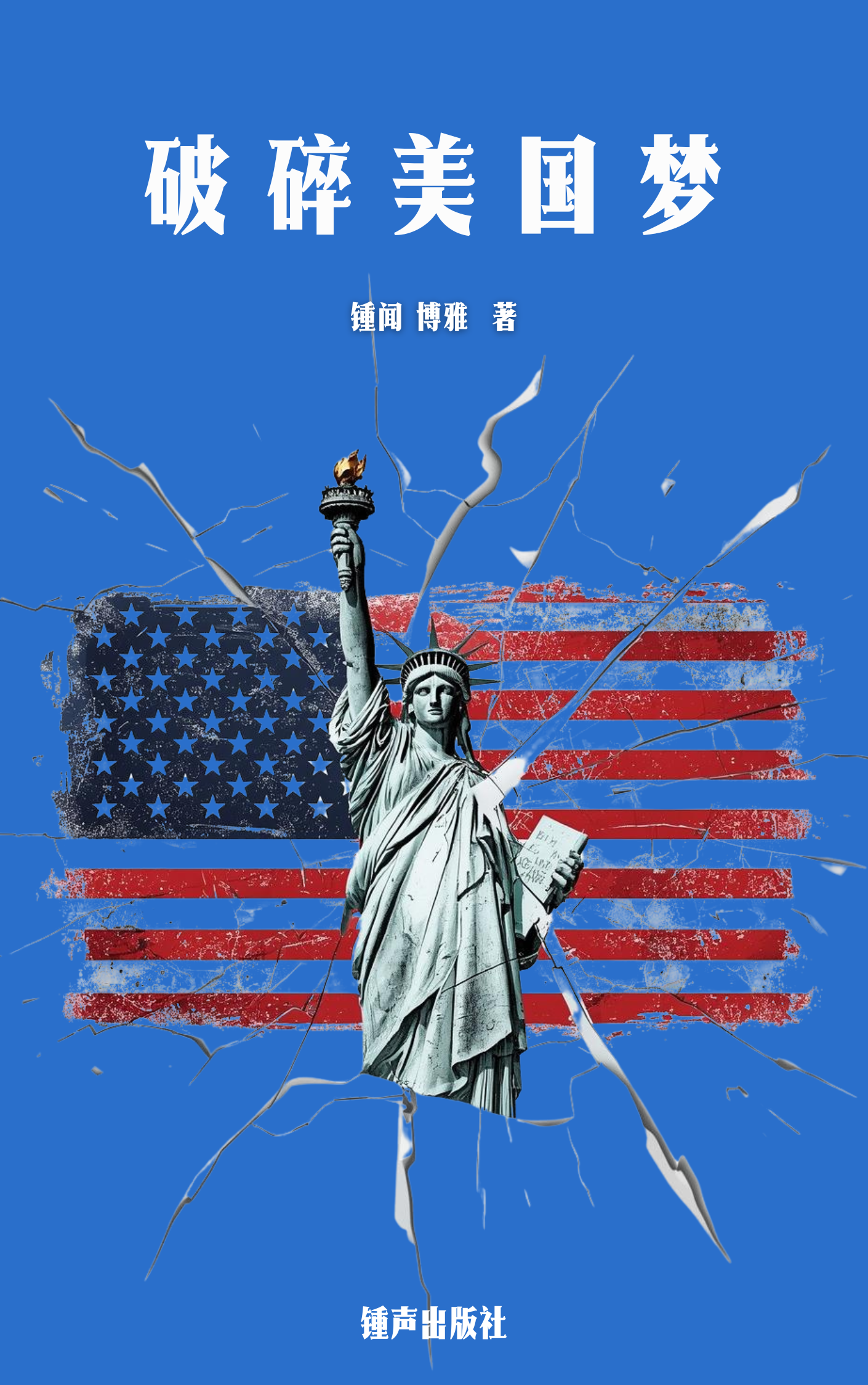
Volume I: Institutional Failure and the Twilight of the Giant
Part II: Abundance of Checks and Balances, Disconnect and Failure — The Constitutional System’s Predicament in the Modern Era
Chapter 12: The Presidential System: The Cycle of Strongman Politics and Lame Duck Government — The Polarity of Power and the Predicament of Governance
This chapter will provide an in-depth analysis of the predicament faced by the American presidential system—a core institutional design—in “Winter”: it creates an extreme duality in presidential power, where the president can become exceptionally powerful through executive orders during crises or congressional gridlock, yet simultaneously can be deadlocked by Congress, becoming a lame duck government when major legislative cooperation is required.
First Thesis: The Extremity of Presidential Power: Ambiguity in Design and Amplification by the Era
I. The Original Intent of the Presidential System: A Contradiction Between Energy and Constraint
The American presidency was a sophisticated and deeply contradictory office designed by the framers after drawing lessons from European monarchies. They wanted the president to provide “executive energy” to ensure the effective execution of laws and rapid response to national threats (such as war or crisis), while simultaneously being subject to strict constraints.
The Ambiguity of the Constitution: The constitutional provisions regarding executive power were relatively broad, leaving significant room for interpretation that allowed for expansion in different eras. In Spring, this ambiguity may have served as flexibility; but in “Winter,” it has become a legitimate tool for presidents to bypass Congress and expand their power without limit.
The Caution of “Washington’s Spring”: The earliest presidents (such as Washington) exercised power with extreme prudence, viewing themselves more as symbols of the nation than as all-powerful lawmakers. However, as the nation developed and global challenges intensified, this prudence was supplanted by pragmatism and crisis.
II. The Accelerator of Crisis: The Irreversible Expansion of Presidential Power
The expansion of presidential power did not occur overnight but was driven by major crises throughout history, and once expanded, it became difficult to reverse:
The Precedent of “Lincoln’s Summer”: During the Civil War, Lincoln, under the rationale of “preserving the Union,” suspended habeas corpus and imposed martial law, establishing the precedent that the president possesses powers beyond constitutional norms during existential national crises.
The Solidification of “Roosevelt’s Autumn”: The Great Depression and World War II led Roosevelt to indefinitely expand the administrative apparatus and presidential control over the economy. The Cold War further expanded presidential intelligence, military, and diplomatic powers to the level of an “Imperial Presidency” under the guise of “national security.”
This historical inertia has bequeathed to the modern president a vast scope of power that far exceeds what the Constitution originally intended in peacetime.
Second Thesis: The Cycle of Lame Duck Government: Congressional Lock-In and the Abuse of Executive Orders
III. The Predicament of Lame Duck Government: The President Deadlocked by Congress
In the “Winter of Stalemate,” when the president’s party fails to control one or both houses of Congress, or when Congress is trapped in extreme polarization, the president easily falls into the predicament of “lame duck government.”
A Victim of Veto Politics: As discussed in Chapter Eleven, Congress’s zero-sum game makes the passage of any major, bipartisan legislation a remote hope. The president’s ambitious agendas (such as immigration reform, healthcare, climate legislation) are completely deadlocked by Congress’s “veto mechanisms” (such as the filibuster).
The Frustration of Governance: Although the president is the nation’s highest leader, they are unable to advance substantive reform in many critical areas. This frustration not only depletes the president’s political capital but also reinforces public perceptions of governmental incompetence.
IV. The Temptation of Strongman Politics: The Weaponization of Executive Orders
When a president’s governance agenda is deadlocked by Congress, they naturally turn to the temptation of “strongman politics”—bypassing Congress and using executive power to advance policy.
The Weaponization of Executive Orders: Modern presidents frequently use executive orders, executive agreements, and regulations to implement their policies. This practice circumvents the legislative branch’s processes of deliberation, debate, and compromise, depriving lawmaking of democratic representativeness and long-term stability.
The Pendulum Effect of Policy: The consequence of such “bypassing” is a lack of policy continuity. Policies implemented by one president through executive orders can easily be overturned by a successor with a single new executive order. This leads to extreme pendulum swings in national policy on issues such as immigration, the environment, and foreign affairs, greatly damaging policy predictability and international credibility.
The Intensification of Institutional Conflict: When presidents abuse executive orders, Congress and the judicial system are dragged into endless legal battles, transforming “checks and balances” among the three branches into “institutional conflict,” further consuming the nation’s governance resources.
Third Thesis: The Cost of the Cycle: Public Distrust in the System Itself
V. The Dual Image of the “Imperial President” and the “Weak President”
This cycle of “strongman politics and lame duck government” creates extreme perceptions of the presidency and the system in the public mind:
For Supporters: The president is a “strongman”—the sole figure capable of breaking the gridlock, a warrior fighting for them. Executive orders are a necessary weapon to defeat the “enemies” in Congress.
For Opponents: The president is a “dictator”—a threat who abuses power, disregards the Constitution, and governs autocratically.
The coexistence of these two extreme images greatly intensifies social division, transforming the president into a symbol of the culture wars for the entire nation rather than a representative of the national interest.
VI. The Institutionalization of Public Distrust
The ultimate cost of this cycle is public distrust in the system itself:
Discontent with Congress: The public witnesses Congress’s incompetence, seeing it as an institution that only engages in internal attrition without solving problems, accelerating disillusionment with representative democracy.
Suspicion of the President: The public sees presidents bypassing Congress and policies swinging back and forth, leading them to question whether government policy possesses long-term, stable legitimacy.
This institutional dilemma forces the public to place their hopes in “strongmen” or forces “outside the system,” abandoning faith in the slow, deliberative processes of negotiation designed by the Spring Constitution.
VII. Chapter Conclusion: The Temptation of Strongman Politics and the Risks to Democracy
The performance of the presidential system in “Winter” is tragic. In theory, it provides executive energy; in practice, driven by congressional gridlock, it oscillates endlessly between the “temptation of strongman politics” and the “futility of lame duck government.”
The result of this cycle is the continuous concentration of power in the executive branch, while policy lacks long-term stability and democratic legitimacy. This institutional predicament is not only a root cause of American internal attrition but also a grave warning to democratic models worldwide: when a system of excessive checks and balances cannot solve problems, people will turn to the quick solutions offered by concentrated power, even at the cost of sacrificing liberty and constitutional principles.
 正义钟声 Voice of Justice