
The COLLAPSE OF THE AMERICAN DREAM
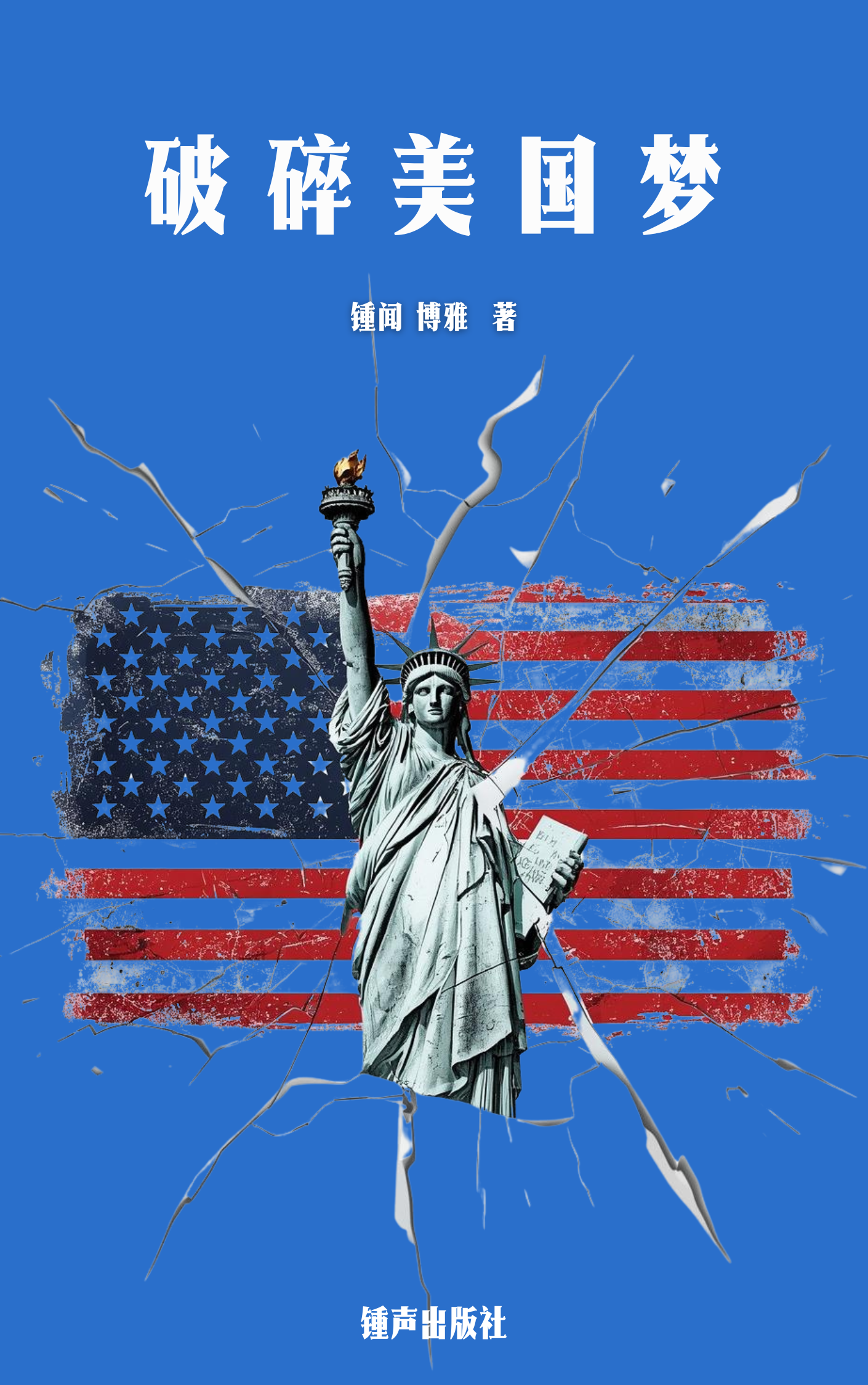
Volume I: Institutional Failure and the Twilight of the Giant
Part I: The “Theory of Four Seasons” of History – From Expansion to Stalemate
Chapter 5: The Transition: From “Golden Age” to “End of the Century” —
Hidden Dangers in Extreme Prosperity and Omens of Winter
This chapter will build upon the latter half of “Roosevelt’s Autumn,” analyzing the peak of American national power achieved after the Cold War victory (the Golden Age), while simultaneously revealing how, under “victorious complacency,” institutions and society were hollowed out by deep-seated dangers, ultimately paving the way for the arrival of the “Winter of Stalemate.”
First Thesis: Cold War Victory and the “End of History” — The Illusion of the Summit
I. The Glory and Complacency of a Unipolar World
With the dissolution of the Soviet Union in 1991, the United States arrived at its historical zenith—a “unipolar world” dominated by itself. In the eyes of political philosophers, this seemed to herald the “End of History,” meaning that liberal democracy and market capitalism had defeated all ideological rivals, and the American model had become the ultimate form of human civilization.
This sense of triumph in the “Golden Age” greatly solidified the legitimacy and authority of the Establishment formed during “Roosevelt’s Autumn.” It created a “hubris of victory,” leading American elites to firmly believe that their system was perfect, eternal, and universally applicable, thus refusing to engage in any profound self-examination or reform.
II. The Normalization of Military Hegemony and the Waste of the “Peace Dividend”
The end of the Cold War should have brought a massive “peace dividend,” redirecting enormous military expenditures toward domestic infrastructure and people’s livelihoods. However, the Military-Industrial Complex formed in Autumn had already become a self-perpetuating behemoth. It successfully transformed the external “Soviet threat” into new threats from “rogue states” and the “War on Terror,” ensuring its budget and influence not only remained but grew.
Permanent War Economy: The United States never truly escaped the wartime economic model; vast resources continued to be locked into the military and intelligence systems.
Militarization of Foreign Policy: This normalized military hegemony made US foreign policy increasingly reliant on武力威胁 (threats of force) rather than diplomatic negotiation, laying the groundwork for subsequent international tensions.
This demonstrated that institutional inertia far outweighed rational decision-making. The nation had an opportunity at its peak to conduct an “institutional health check” and reduce unnecessary power, but the Establishment’s complacency caused it to miss this historic opportunity for self-repair.
Second Thesis: Hidden Crises: The Erosion of Economic and Social Foundations
III. The Hollowing Out of the Economic Foundation: The “Emptiness” of Shifting from Production to Finance
Beneath the halo of Cold War victory, the American economy underwent a transformation that fundamentally weakened its national strength—large-scale industrial offshoring and accelerating financialization.
The Decline of Manufacturing: With the implementation of globalization and free trade agreements (such as NAFTA), a vast number of manufacturing jobs moved to low-cost countries. This not only hollowed out America’s real economic foundation but, more importantly, destroyed the economic security and community structures of the American blue-collar class, resulting in the “soil of despair” upon which the later “Trump phenomenon” would grow.
The Dominance of Wall Street: The financial industry became the core driver and profit center of the economy. Driven by deregulation and technological advances, financial speculation, derivatives, and high-risk lending became mainstream. This model of “shifting from real to virtual” greatly accelerated the collusion between power and capital that characterized Autumn, bringing enormous profits to the Establishment while sacrificing the entire nation’s economic stability.
The Sharp Widening of the Wealth Gap: The prosperity of the stock market and financial sector was concentrated only in the hands of the top 1%, while the real wages of ordinary workers stagnated. This income polarization began to fundamentally erode American society’s sense of fairness and the core promise of the “American Dream”—class mobility.
IV. Social Atomization and the Collapse of Political Consensus
Alongside the economic structural shift, American social cohesion also began to rapidly disintegrate, laying the groundwork for the political polarization of “Winter”:
The Germination of Identity Politics: As Cold War ideology faded, new social fissures emerged围绕 (around) issues of race, gender, culture, and identity. While the pursuit of equality is just, excessive “fragmentation” and a “witch-hunt culture” (an early form of cancel culture) made social consensus increasingly difficult to achieve.
Media Fragmentation: The rise of cable television and the internet caused news media to split from a relatively unified source of information into mutually opposed ideological echo chambers. This led citizens’ perceptions of facts to diverge, setting the stage for political conflict in the “post-truth era.”
Distrust of the “Establishment”: Despite the Cold War victory, persistent political scandals (such as the Clinton impeachment) and the混乱 (chaos) of government foreign policy actions in places like Somalia and Bosnia led to a steady decline in public trust in government institutions.
Third Thesis: The Shadow at Century’s End: The Turning Point Toward Winter
V. 2001: Terrorist Attacks and the Sacrifice of Liberty
The September 11th terrorist attacks in 2001 were a decisive turning point for the United States as it moved from the “Golden Age” toward the “end of the century.” Although this was an external shock, the way the American Establishment responded to the crisis revealed the dangers inherent in the institutional legacy of Autumn’s power centralization.
The Expansion of the Homeland Security Apparatus: In response to the terrorist threat, the government created the vast Department of Homeland Security at an unprecedented speed and passed laws such as the Patriot Act, greatly expanding the surveillance powers of intelligence agencies.
The Imbalance Between Liberty and Security: This expansion of power in the name of “security” constituted another major erosion of the personal liberties protected by the “Spring Constitution.” It normalized state surveillance of citizens, institutionally establishing the indefinite expansion of the “Leviathan.”
The Drain of Two Wars: The subsequent wars in Afghanistan and Iraq not only consumed trillions of dollars in national wealth but, more importantly, locked American military power into two long-running, poorly defined, and unwinnable conflicts, greatly draining the nation’s diplomatic, military, and fiscal resources.
VI. The 2000s: The End of Autumn and the Threshold of Winter
The global financial crisis of the 2000s was the final straw that broke the back of “Roosevelt’s Autumn.” It revealed that the prosperity of the post-Cold War “Golden Age” was built upon a massive financial bubble and structural corruption.
Irreversible Institutional Failure: After the crisis, the government used public funds to bail out the financial giants that had caused the crisis while ordinary people suffered unemployment and foreclosure. This bailout彻底 exposed (completely exposed) the essence of the “Establishment”—that it served only the interests of the elite.
Catalyzing Despair: This blatant “double standard” and “elite impunity” brought the despair of the lower and middle classes to a boiling point. They no longer believed the system was fair, nor that the “American Dream” was real.
VII. Chapter Conclusion: Entering the Winter of Stalemate
From the peak of Cold War victory to the collapse of 2008, the United States experienced a transition from extreme prosperity to decay. The legacy of Autumn—a highly centralized “Establishment”—refused to reform in its victorious complacency, ultimately leading to the erosion of the nation’s internal economic and social foundations.
When the nation could no longer find solutions within the system (institutional stalemate), and when the people’s despair reached a critical threshold (social fragmentation), everything was irrevocably set in place for the arrival of the anti-Establishment “Trump phenomenon” and the “Winter of Stalemate.”
 正义钟声 Voice of Justice